
Last updated November 14, 2026
 Sweep & inspection
 Caps & crowns
 Flue relining
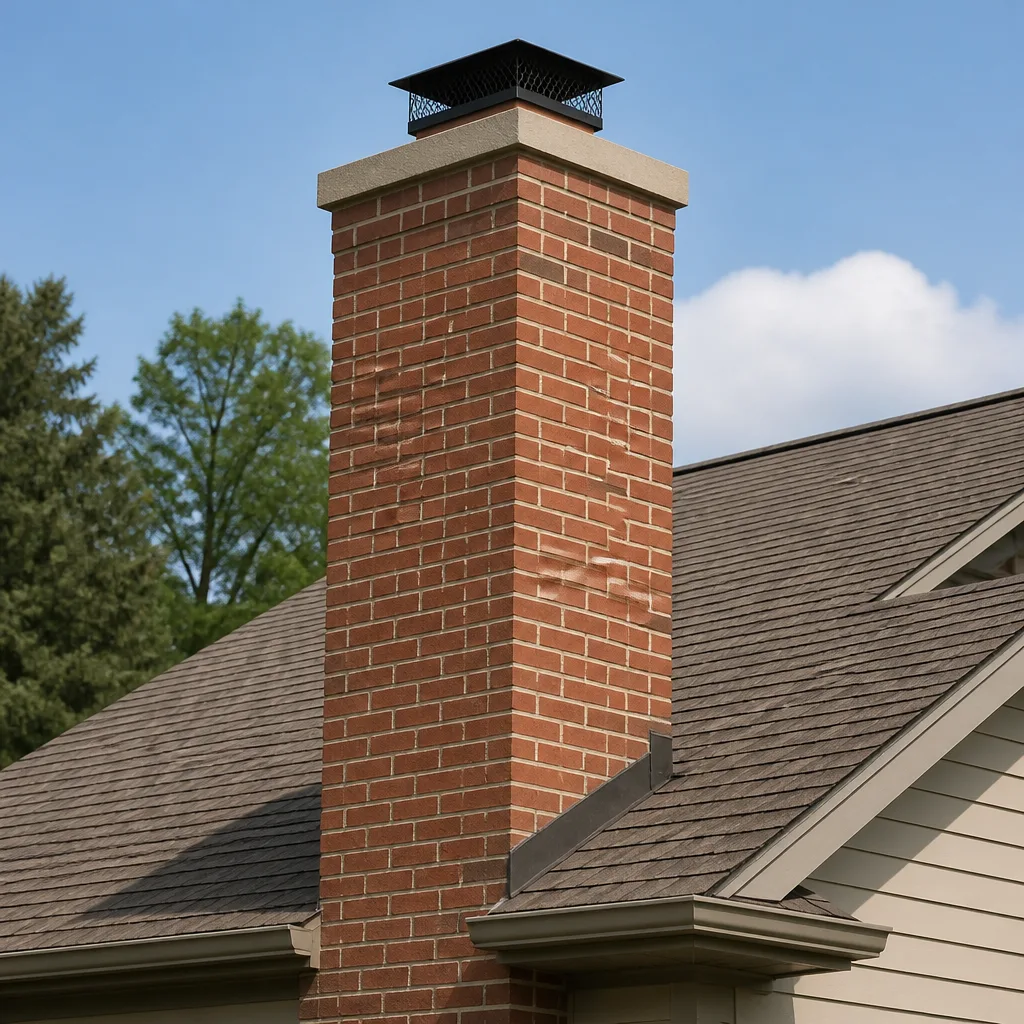 Masonry repair
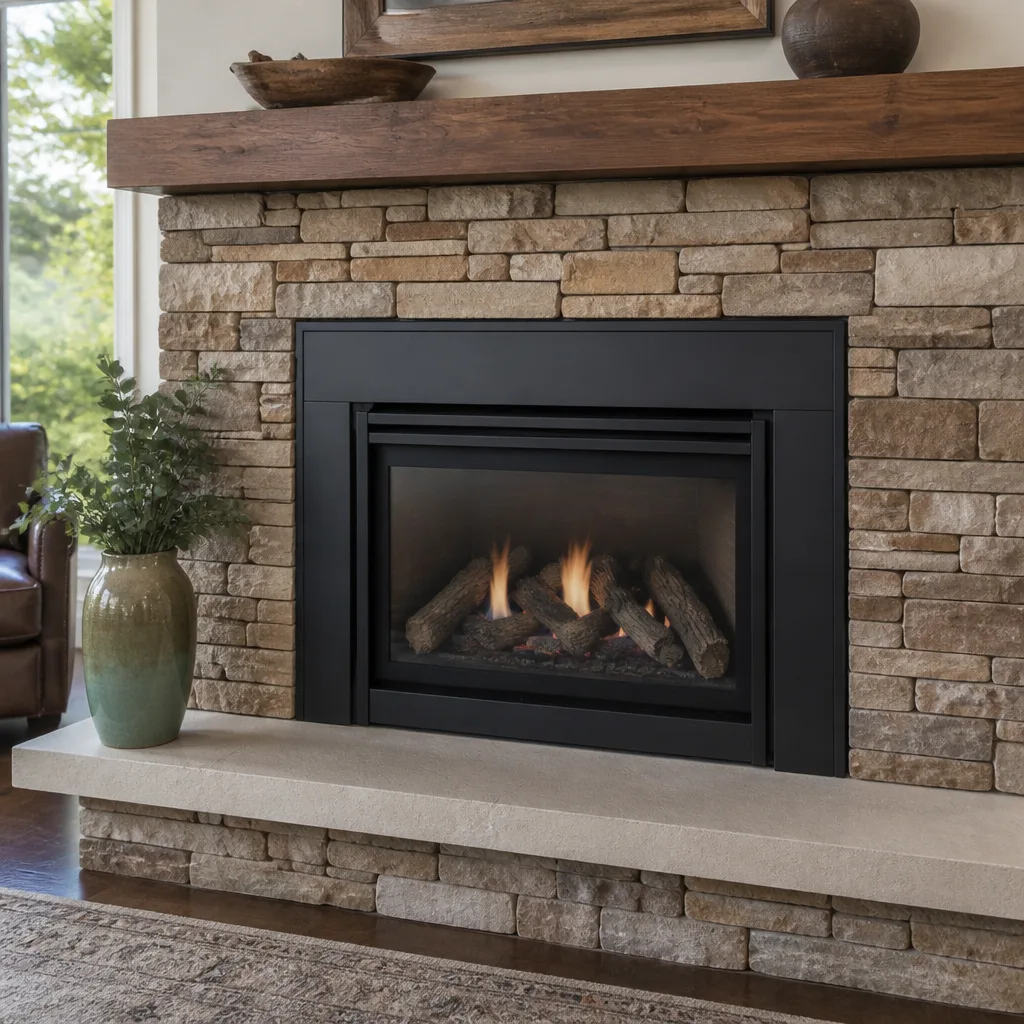 Gas fireplace service
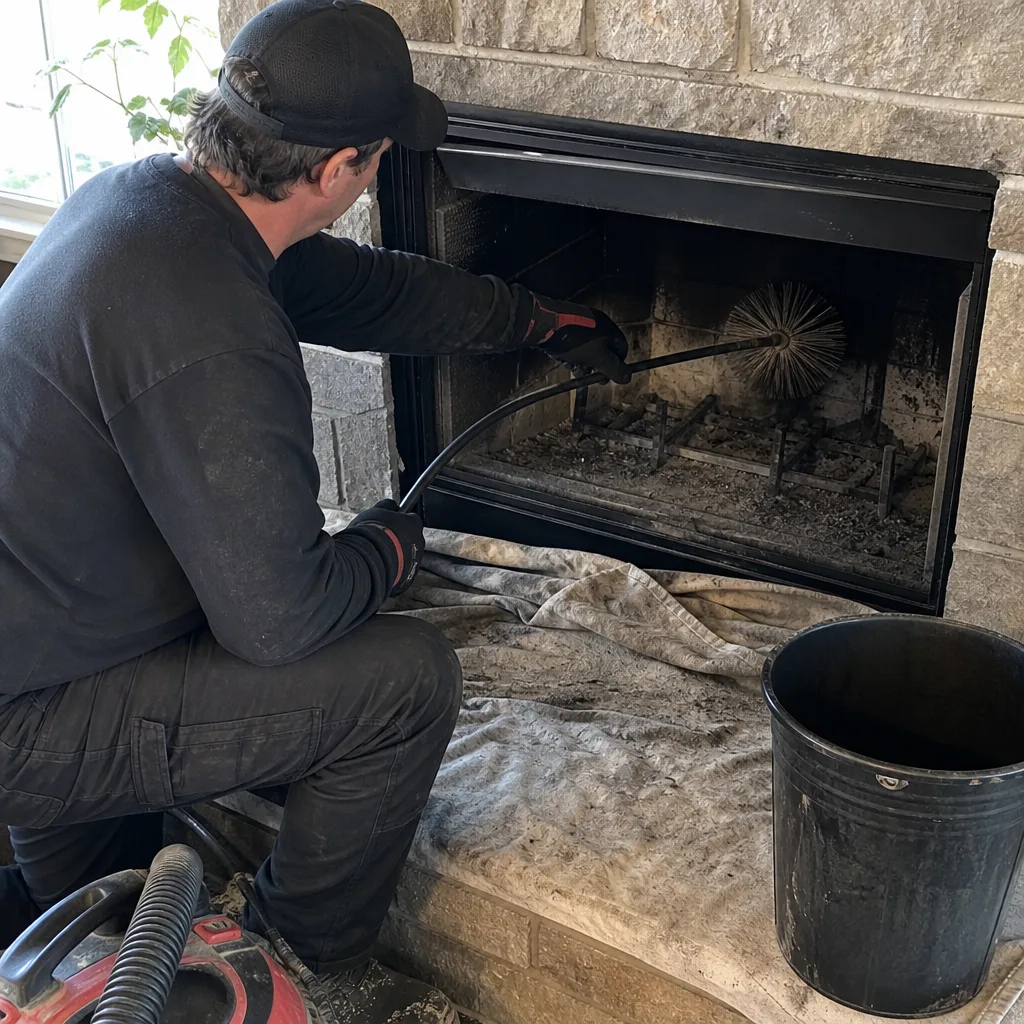
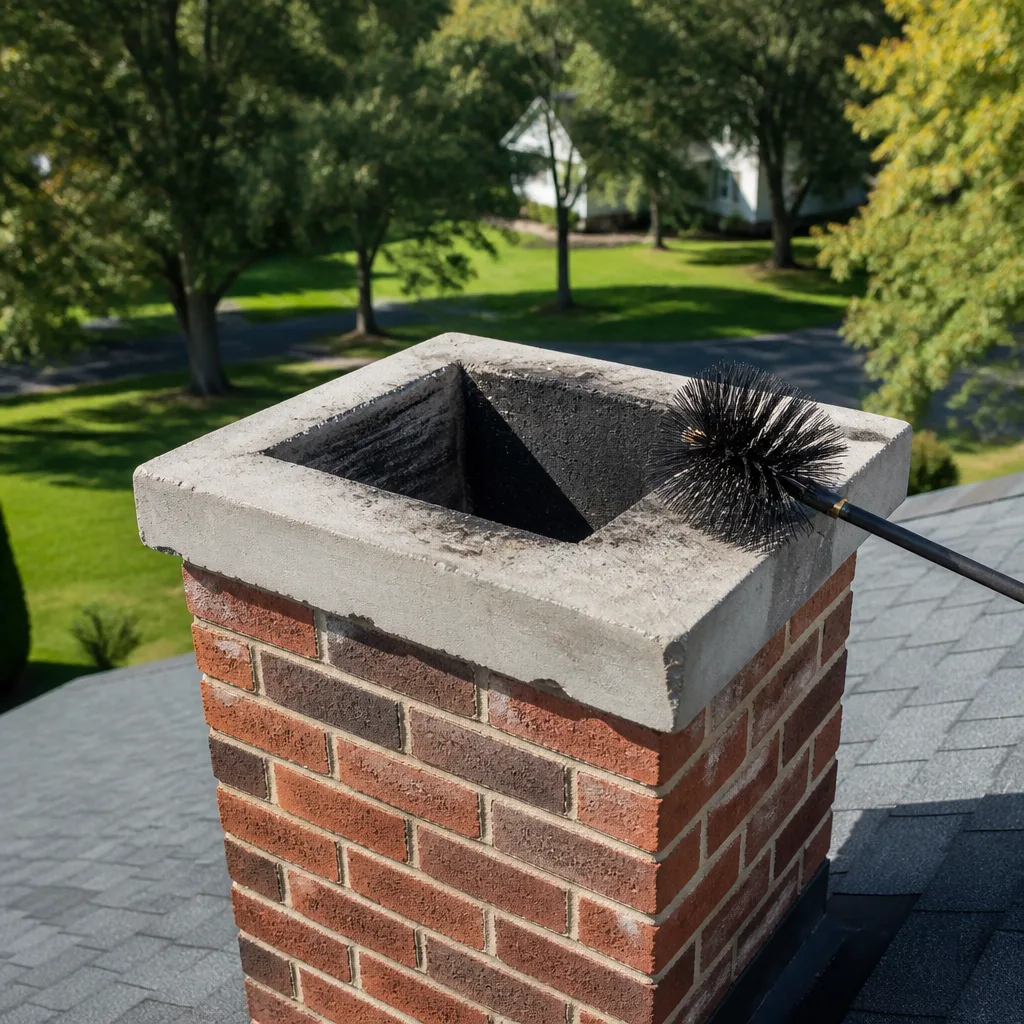
Level 1 sweep and inspection to the NFPA 211 annual standard - flue, crown, cap, and flashing checked and photographed
Chimney sweep logs do not sweep chimneys. They loosen some creosote - which then falls where a brush and vacuum still have to collect it.
Seasonal Chimney Cleaning Care for Nashville: Year-Round Homeowner’s Guide
The season that does the most damage to a Nashville chimney usually isn’t winter. It’s summer. Through June, July and August, Middle Tennessee humidity settles into masonry that stays damp for days, vegetation creeps into mortar joints, and animals find their way into flues that nobody is checking because nobody is burning. By the time the first cold front rolls through in October, problems have had months to develop quietly. This guide walks through what each Nashville season actually does to a chimney and flue system, what to check and when, and why treating chimney care as a single annual sweep leaves gaps. You’ll learn the specific actions that belong to summer, fall, winter and spring in this climate, plus the transitional-weather quirks that make standard seasonal advice a poor fit here.
Styles & brands we work with
- Sweep & inspection
- Caps & crowns
- Flue relining
- Masonry repair
- Gas fireplace service
Quick Answer
Chimney care in Nashville works best as four seasonal checkpoints rather than one yearly sweep: a moisture-and-pest inspection in summer, a sweep and full inspection before the first burn in fall, careful burning habits through winter, and a post-season structural and water-damage look in spring. The fall sweep is the safety-critical one, but the summer and spring checks are what protect the masonry and liner between burning seasons. Our technicians have up to 9 years of experience with the humidity, freeze cycles and burn patterns that Middle Tennessee produces.
Table of Contents
- Why Seasonal Chimney Care Matters More in Nashville Than Most Homeowners Realize
- Summer: Nashville’s Most Damaging Chimney Season
- Fall: The Pre-Season Sweep and Inspection Sequence
- Winter: Managing a Chimney Through Active Burning Season
- Spring: Post-Season Inspection and the Best Time for Structural Repairs
- Nashville’s Transitional Weather and What It Does to Burn Patterns
- A Year-Round Chimney Care Calendar for Nashville Homeowners
- Chimney and Dryer Vent: Two Venting Systems, One Safety Standard
Why Seasonal Chimney Care Matters More in Nashville Than Most Homeowners Realize
Nashville sits in a climate band that gives a chimney four genuinely different sets of conditions each year. Summers are long, humid and hot enough that masonry stays saturated for extended stretches. Winters swing between mild stretches and sharp cold snaps, which means freeze-thaw cycles hit when the masonry is already holding moisture from the wet season. Spring brings heavy rain followed quickly by warm drying days. Fall is short and often dry, which pulls moisture out of the chimney just in time for burning season.
That combination matters because the two main threats to a chimney behave differently in each season:
- Creosote accumulates during burning season and sits in the flue through spring and summer. Humidity doesn’t remove it, and in a damp flue it can stay tacky longer than it would in a dry climate.
- Water intrusion is a summer and spring problem. Masonry absorbs moisture, and repeated wet-dry cycles break down mortar and brick faces over time. A chimney that stays damp is a chimney that deteriorates faster.
Most homeowners treat chimney care as an annual event booked in October. That’s the right instinct for fire safety, but it misses the masonry damage that happens between burns. The Nashville housing stock reinforces this. Older brick chimneys in established neighborhoods take on water differently than newer construction with modern liner systems and caps, and both need a schedule that responds to what this climate does to them. If you want a baseline on the sweep itself, our guide to Nashville chimney cleaning covers what a professional sweep actually removes.
Fire safety and carbon monoxide prevention are the reasons this matters. A blocked or damaged flue doesn’t vent combustion gases properly, and carbon monoxide gives no warning before it becomes dangerous. Seasonal care is really a schedule for making sure the venting path stays clear and intact all year.
Summer: Nashville’s Most Damaging Chimney Season
Summer is when Nashville chimneys take the most structural punishment, and almost nobody is watching. Three things happen at once: sustained humidity, active plant growth, and months of no burning to reveal a problem. Here’s what each one does.
Humidity, Efflorescence and Spalling
When masonry absorbs moisture and that moisture migrates back out through the brick face, it carries dissolved salts with it. Those salts crystallize on the surface as a white powdery bloom called efflorescence. Efflorescence itself is cosmetic, but it’s a signal: moisture is moving through the masonry. Left alone through repeated Nashville summers, that same moisture movement causes spalling, where the face of the brick flakes off and the chimney’s outer layer starts to break down. Spalling is structural, not cosmetic, and it’s much cheaper to address early.
Liner Condensation
A clay tile liner or a metal liner that stays cool and damp through the summer can collect condensation on its interior, especially where a cap is damaged or missing and humid air moves freely through the flue. Persistent condensation combined with creosote residue from the previous season softens the liner over time. The fix is straightforward: keep the chimney capped, keep it dry, and get the flue looked at before burning season.
Animal Entry and Vegetation
Nashville’s tree canopy and wildlife make uncapped chimneys an easy target. Birds, squirrels and raccoons find their way into flues through spring and summer, and the nest material they leave behind becomes a fire hazard the first time it’s exposed to heat. Vegetation is the other issue: ivy, vine growth and saplings can work their way into mortar joints, widening cracks that then take on water. A missing or damaged cap is the single most common cause of both problems.
What to Do in Summer
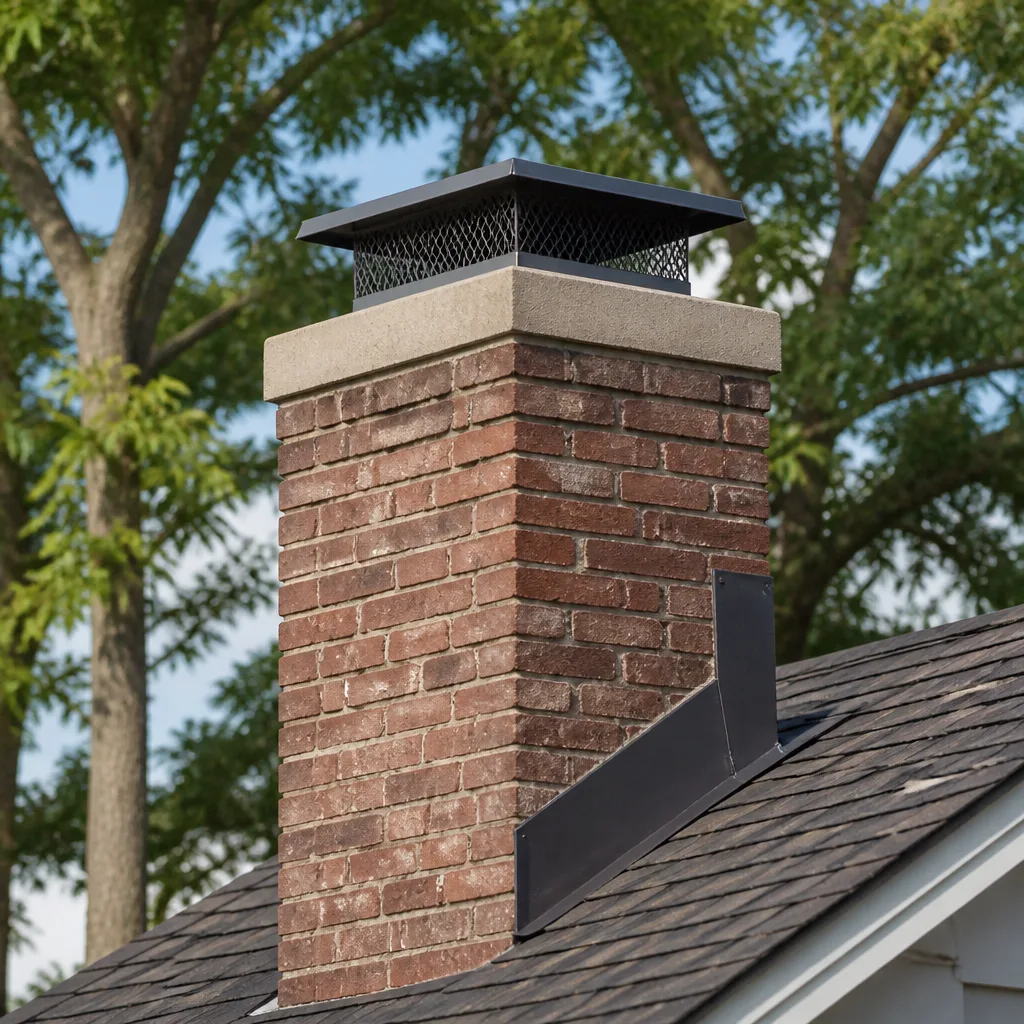
- Check the chimney cap from the ground. If it’s missing, loose or damaged, get it replaced before fall. A properly fitted cap from a maker like Gelco or Olympia Chimney keeps rain, animals and debris out.
- Look for white staining on the exterior brick. Efflorescence means moisture is moving; it’s worth a closer look before the masonry spalls.
- Schedule the fall sweep early. Late summer and early fall book up fast in Nashville, and getting the inspection on the calendar before the first burn is the point.
- Have the flue checked for nesting material and debris if the chimney has gone uncapped at any point in the past few months.
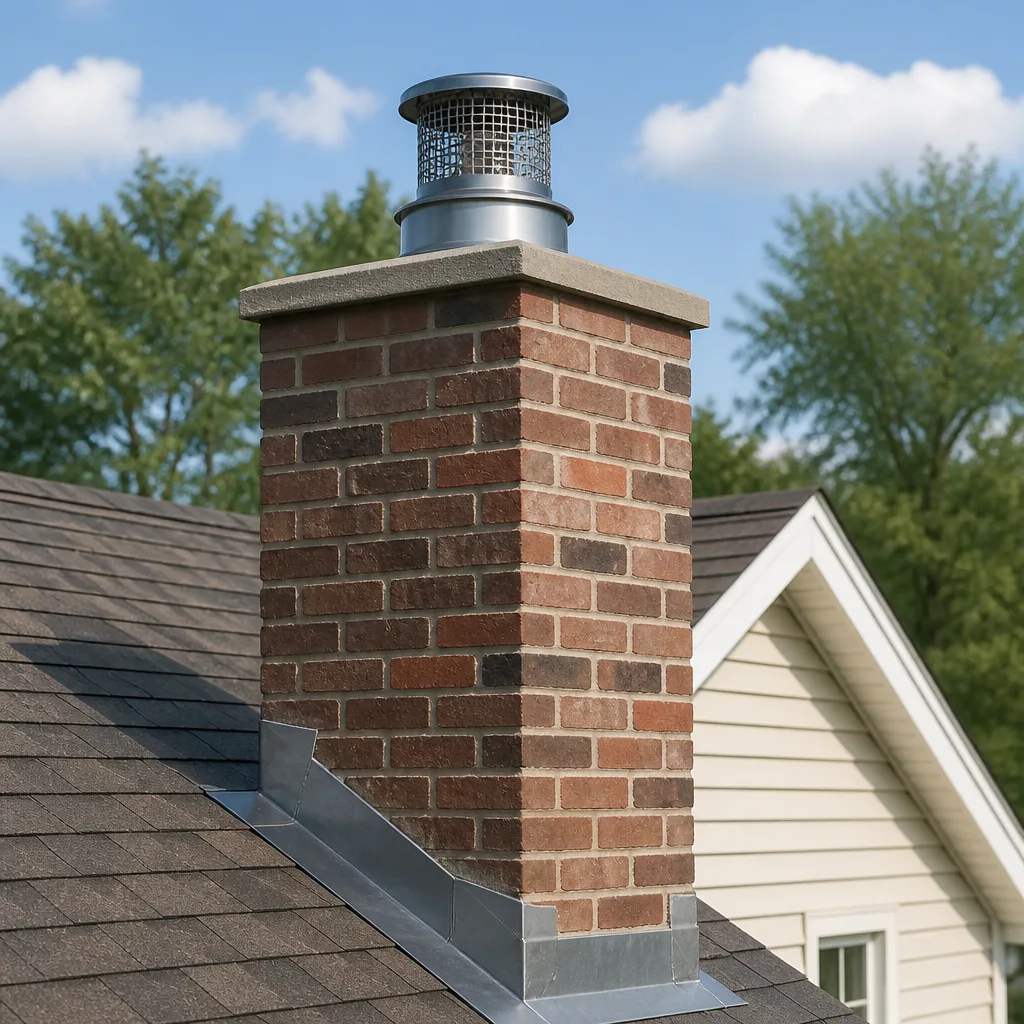
Summer is also the right time to confirm the crown and flashing are doing their job. Those are the two components that keep water out of the chimney in the first place, and both are far easier to repair when the masonry is dry.
Fall: The Pre-Season Sweep and Inspection Sequence
The fall sweep is the safety-critical appointment of the year, and the timing matters as much as the appointment itself. The goal is to have the chimney swept and inspected before the first burn, not after. A chimney that gets its first fire before it’s been checked is a chimney running on last season’s assumptions.
A proper pre-season visit follows a sequence:
- Sweep the flue. A professional sweep removes creosote, soot and any debris that accumulated during the off-season. What comes out tells the technician a lot about how the chimney burned last year.
- Inspect the full system. That means the firebox, damper, smoke chamber, flue liner, crown, cap and exterior masonry. A sweep without an inspection is only half the job.
- Assess creosote type and thickness. Glazed, tar-like creosote is a different problem from light soot and needs different handling. This is also when the technician decides whether standard sweeping is sufficient or whether the flue needs more.
- Check the liner and note any cracking or gaps. A compromised liner is a carbon monoxide risk, not a maintenance item to defer.
- Look at the cap and crown. Both should still be intact after a summer of sun and rain. If a cap needs replacing, a properly sized unit from Famco or Olympia Chimney is the kind of hardware the trade actually specifies.
On timing, the practical answer is: book the chimney sweep before you plan to light the first fire, not after. Nashville’s fall is a window between the end of the wet season and the start of steady burning, and it’s the one stretch of the year when the chimney is dry, cool and empty. That’s the ideal condition for a sweep and inspection to be accurate. If your household burns heavily, the fall visit isn’t the only one you need; a mid-season sweep may be warranted, and we’ll say so rather than assume.
Winter: Managing a Chimney Through Active Burning Season
Once burning season starts, the job shifts from inspection to habits. How you burn, what you burn and how you use the damper all affect how fast creosote accumulates and how safely the chimney vents. None of this replaces the fall sweep, but good burning habits between sweeps make a real difference.
Burn Frequency
Steady, moderate fires burn cleaner than occasional hot ones. A common pattern in Nashville is a fire lit during a cold snap, run hot for a night, then left cold for a week. That cycle produces more creosote than regular burning, because the firebox and flue stay cool between burns and the first hot fire drives off moisture and deposits that wouldn’t form under steady use. If your fireplace is used in fits and starts, it’s worth having the flue checked mid-season rather than assuming the fall sweep covered the whole winter.
Wood Type and Moisture Content
Seasoned, dry firewood burns hot and clean. Unseasoned or green wood produces more smoke, more water vapor and more creosote, because the fire spends its heat driving moisture out of the wood instead of burning cleanly. Wood that has been split and dried for a full season before burning is the right standard. This is one of the few areas where homeowner choices make an obvious difference to what builds up in the flue.
Damper Habits
The damper should be fully open when a fire is lit and fully open while it’s burning. A partially closed damper, used to slow the burn, drops the flue temperature and increases creosote deposition. When the fire is out and the chimney is completely cold, closing the damper keeps warm house air from escaping up the flue and keeps humid outside air from moving into the chimney. That last point connects back to the summer moisture problem: a damper left open in the off-season lets damp air into the chimney.
Safety Through the Burning Season
- Never burn paper, cardboard, wrapping paper or treated wood. They produce fast, hot fires and unwanted deposits.
- Keep a chimney fire from starting by keeping combustibles away from the firebox opening, and never leave a fire unattended.
- If you smell smoke inside the house while burning, or the fire doesn’t draw, stop and get the flue checked. That’s a venting problem, not a wood problem.
- Make sure carbon monoxide alarms are working. A compromised flue doesn’t announce itself; the alarm is the early warning.
Spring: Post-Season Inspection and the Best Time for Structural Repairs
Spring is the most underused appointment on the chimney calendar, and it’s the best
See the difference
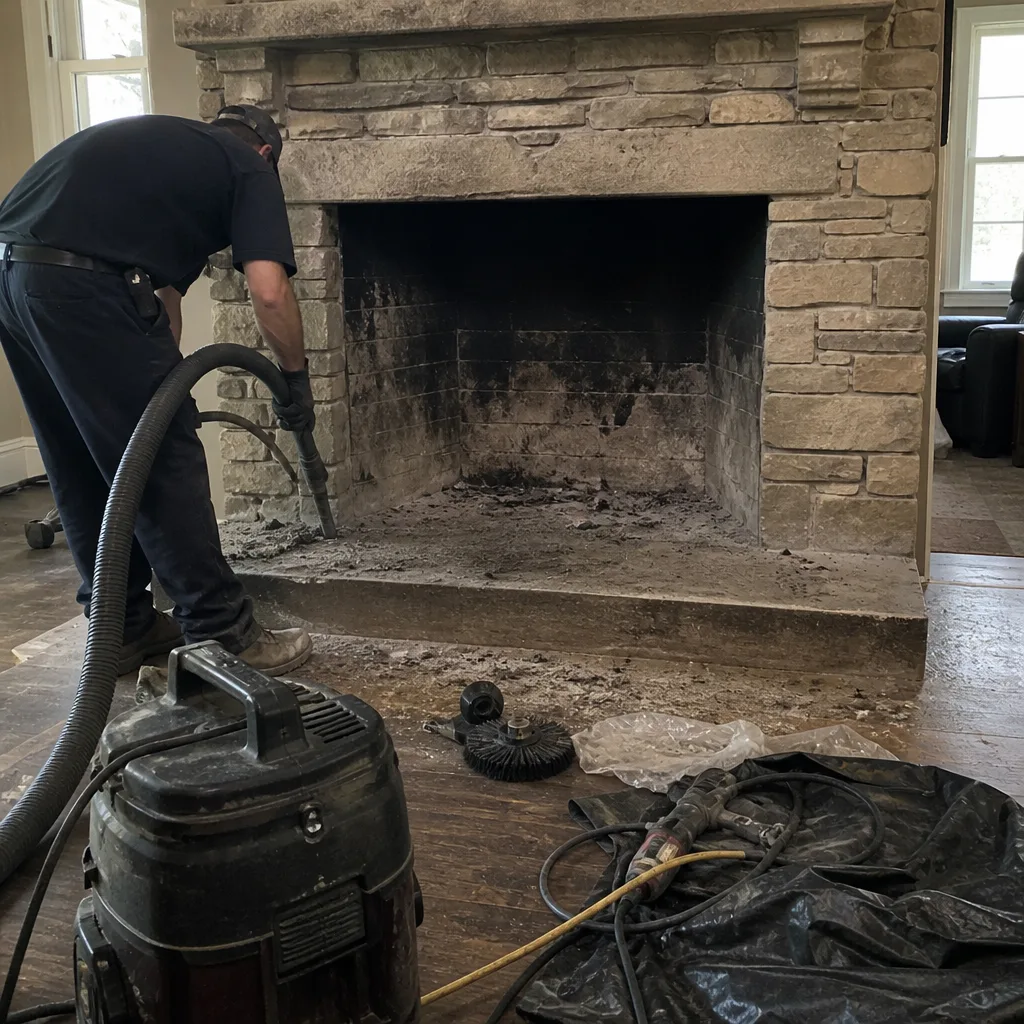 Before
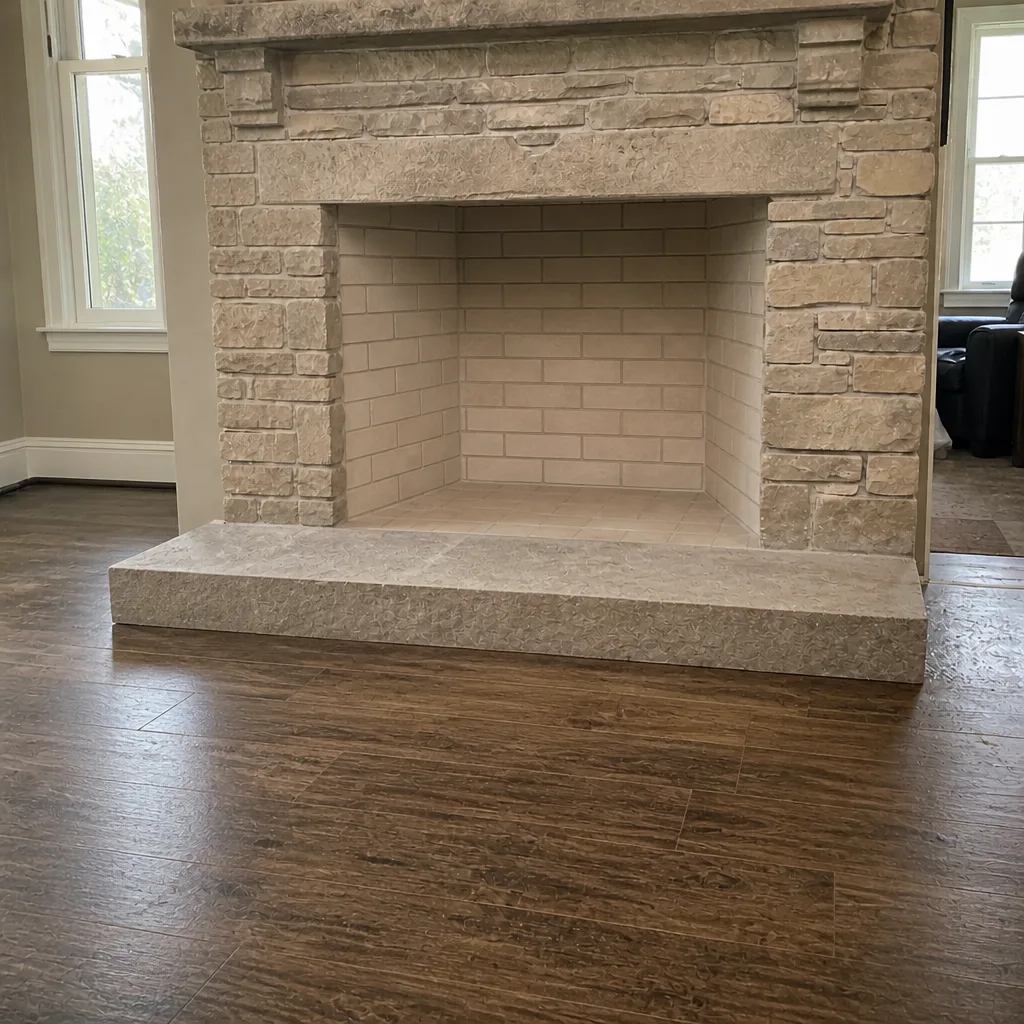 After
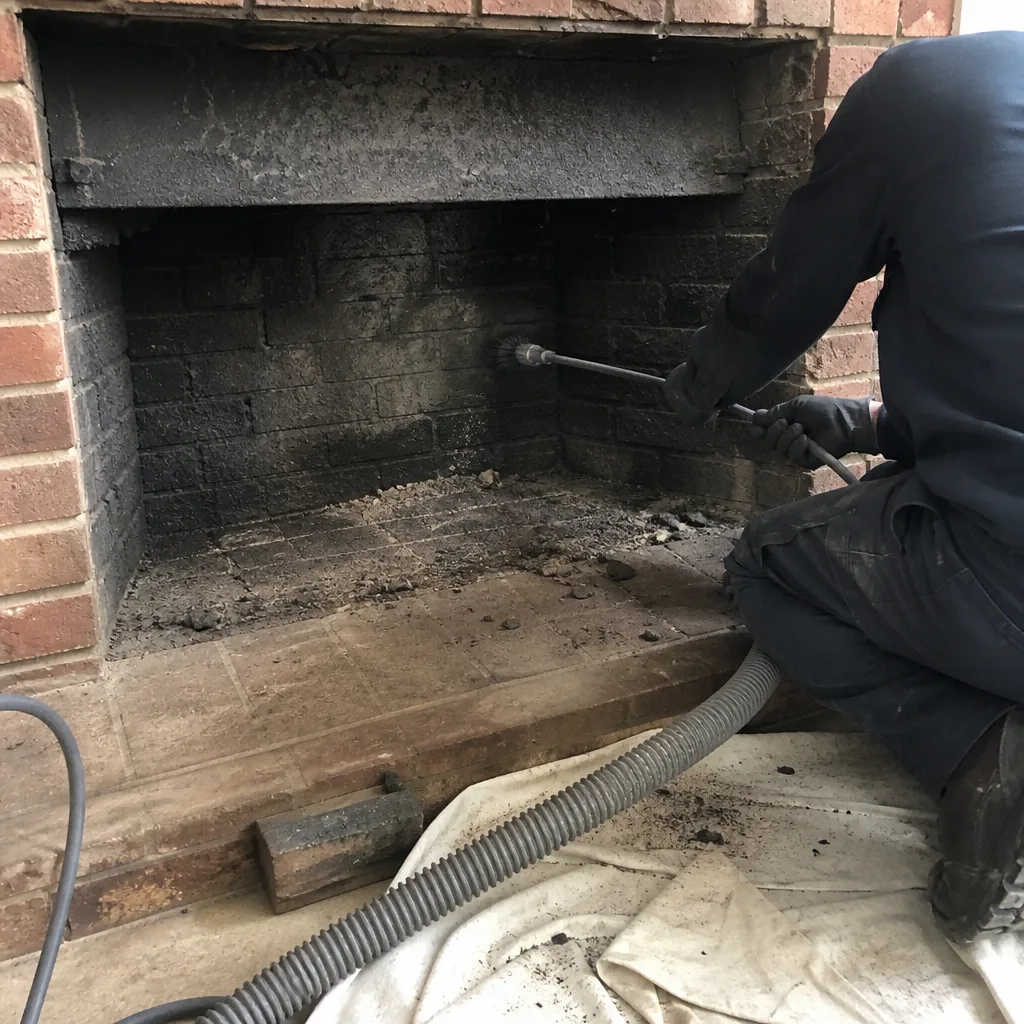 Before
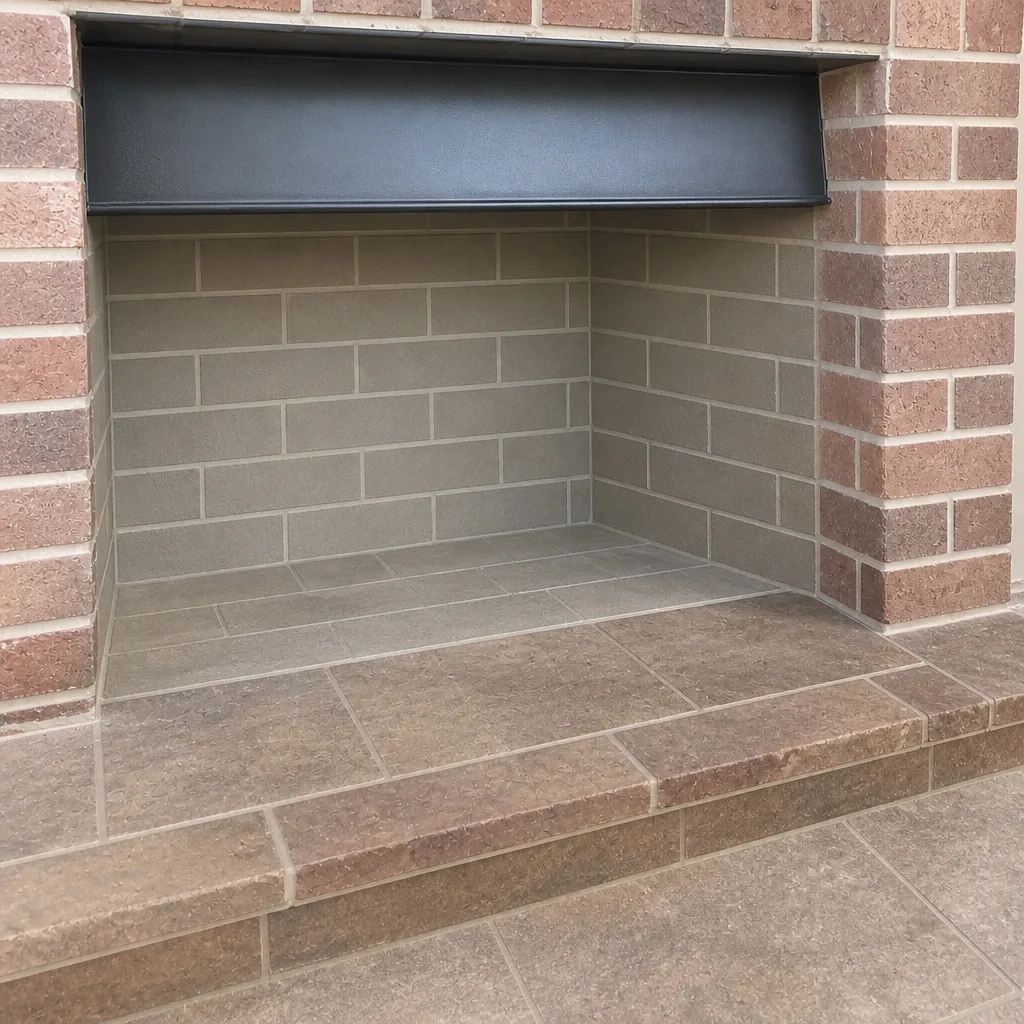 After
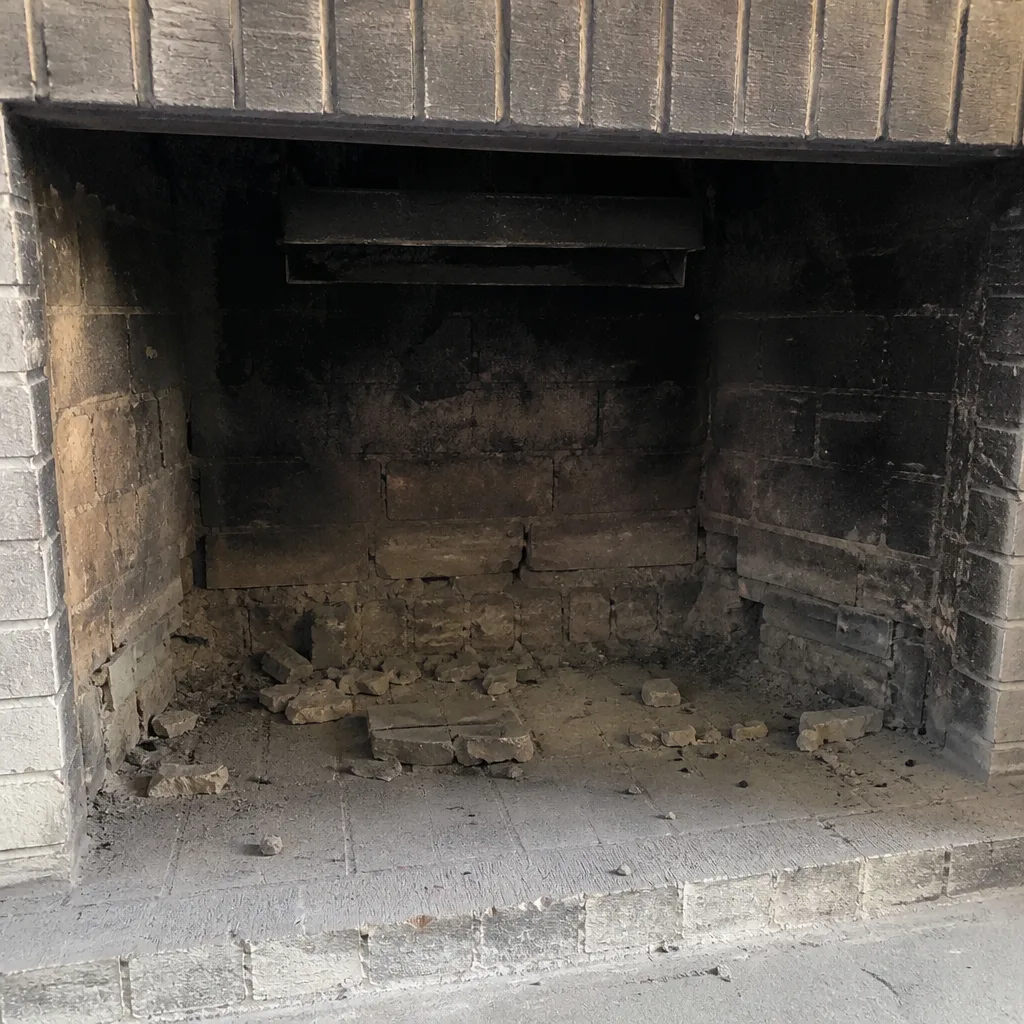 Before
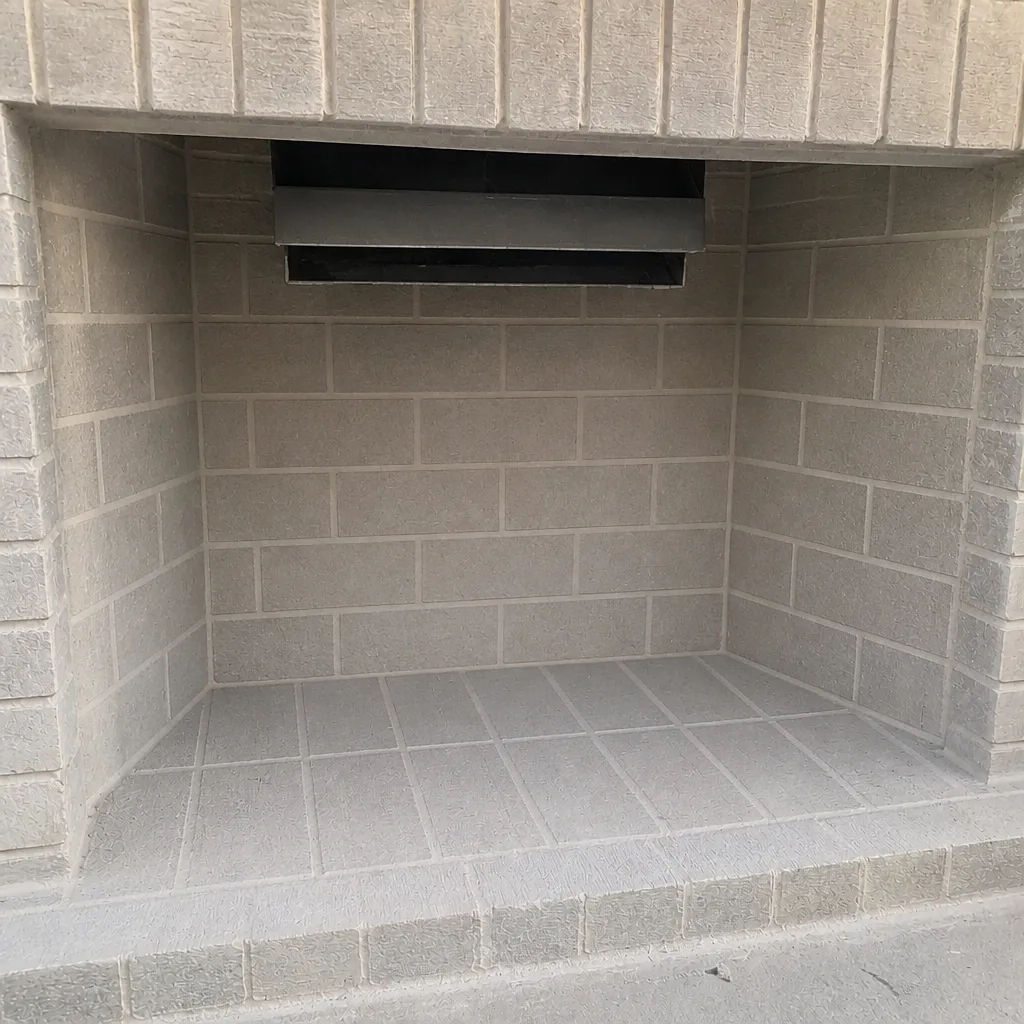 After