
Last updated November 14, 2026
 Sweep & inspection
 Caps & crowns
 Flue relining
 Masonry repair
 Gas fireplace service
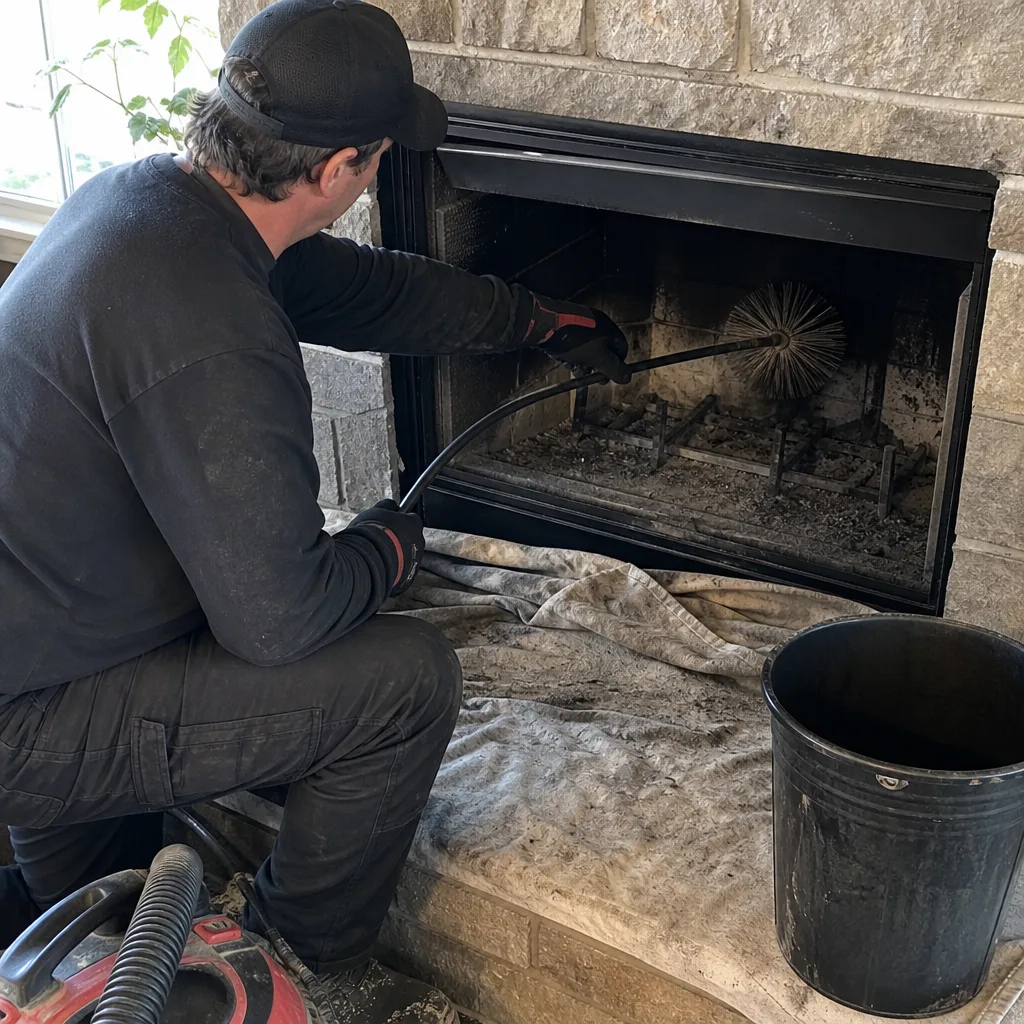
Level 1 sweep and inspection to the NFPA 211 annual standard - flue, crown, cap, and flashing checked and photographed
Chimney sweep logs do not sweep chimneys. They loosen some creosote - which then falls where a brush and vacuum still have to collect it.
Chimney Cleaning Emergency Preparedness Guide for Nashville Homes
A chimney fire can climb past 2,000°F inside the flue in under two minutes. That number should reframe how you think about preparedness. By the time you smell smoke in the living room or hear the roar, the window for calm decision-making has already closed. The homeowners who come through a chimney fire or a carbon monoxide scare with a contained incident instead of a structural loss aren’t braver or luckier. They wrote their response down ahead of time. This guide gives you that protocol: how to recognize a chimney fire while it’s happening, what to do in the first five minutes, what a flue needs afterward, and how to prepare a Nashville home before the first cold snap. Print it. Tape it inside a kitchen cabinet.
Quick Answer
Emergency preparedness for a Nashville chimney means three things done in advance: recognizing the specific signs of a chimney fire or carbon monoxide event, having a written first-five-minutes response plan that everyone in the house knows, and scheduling a professional inspection before burning season so you know the condition of your flue. If a chimney fire has occurred, the chimney cannot be used again until a Level 2 inspection per NFPA 211 confirms the flue is structurally sound, even when no damage is visible from outside. Call 911 first for any active fire or suspected CO exposure.
Styles & brands we work with
- Sweep & inspection
- Caps & crowns
- Flue relining
- Masonry repair
- Gas fireplace service
Table of Contents
- How do you know a chimney fire is happening?
- What should you do in the first five minutes?
- What happens after a chimney fire?
- How do you prepare for carbon monoxide risk from a chimney?
- What belongs on a pre-season emergency readiness checklist?
- Why Nashville’s climate makes chimney problems easy to miss
- Why dryer vent fires belong in the same emergency plan
- Common mistakes to avoid
How Do You Know a Chimney Fire Is Happening?
A chimney fire doesn’t always announce itself with flames shooting out of the top. Many burn slowly and quietly inside the flue, and the homeowner never knows until an inspection finds the evidence months later. The loud, dramatic version is real too, but the quiet one is more common and just as damaging to the flue lining. Knowing both sets of signals is the foundation of any preparedness plan.
Watch for these signs of an active chimney fire:
- Sound: A low rumbling that sounds like a distant train, or a cracking and popping that continues after you’ve stopped adding wood.
- Smell: A hot, acrid, almost chemical odor in the room, different from normal wood smoke.
- Visual indicators: Dense smoke or sparks coming from the chimney top, a glow visible at the flue, or flames and smoke pushing back into the firebox instead of drawing up.
- Heat: The stovepipe, chimney breast, or surrounding wall feels unusually hot to the touch.
- Pressure: Smoke rolling out of joints in the stovepipe or around the damper.
Then there’s the quiet version. A slow-burning chimney fire may only show up as a puffy, honeycombed texture on the flue walls later, or warped metal on a prefabricated chimney. That’s one of the reasons a proper chimney sweep includes a visual assessment of the flue, not just a brush run. What the sweep removes – creosote – is the fuel for both versions, and its condition tells us a lot about what the flue has been through.
If you even suspect an active fire, assume it is one and start the response sequence in the next section. A false alarm costs nothing.
What Should You Do in the First Five Minutes?
The first five minutes decide whether a chimney fire stays contained or spreads into the structure. This is the sequence to have memorized before you ever need it. Practice it with everyone who lives in the house, including older children.
- Get everyone out first. Move people and pets outside or to a safe distance. Don’t stop to gather belongings. This is the one step that isn’t negotiable.
- Call 911. Say the words “chimney fire.” Fire departments know what that means and what to look for. Don’t wait to see if it resolves on its own.
- Stop feeding the fire. If you can reach the firebox safely, close the glass doors or the firebox door. Never pour water into a hot firebox or flue; the thermal shock can crack masonry or warp a metal liner and turn a contained fire into a structural problem.
- Cut the air supply if it’s safe to do so. Close the damper only if it’s easily reachable and the fire is not aggressive. In an intense fire, closing the damper can trap pressure and force smoke through cracks, so let the fire department advise you on this.
- Hose down the roof only if you’re already outside and can do it safely. Spark arrest from the chimney top is a real risk. If you’re not outside and can’t reach the roof safely, leave it to the fire department.
The honest part most guides skip: at no point in those five minutes should you be opening the stove, poking the fire, or inspecting the flue yourself. The flue interior can exceed 2,000°F during a chimney fire, and the surrounding structure may already be compromised. Your job is to get people out and get help coming. The fire department’s job is everything else. Our technicians have up to 9 years of experience, and the one thing we hear repeatedly from homeowners afterward is that the fire was quieter than they expected. Trust the signals, not the volume.
What Happens After a Chimney Fire?
A chimney that survived a fire without visible cracks or damage still cannot be safely used until it’s been inspected. This is the most misunderstood part of chimney fire recovery, and it’s where NFPA 211 – the standard governing chimneys – is clear. Any chimney that has experienced a fire requires a Level 2 inspection before it’s returned to service. A Level 2 inspection includes a visual assessment of accessible areas plus a video scan of the flue interior.
Why the video scan matters: the damage from a chimney fire is often internal. A masonry flue lined with clay tile can develop cracks along the tile joints that you cannot see from the firebox or the roof. A prefabricated metal chimney can warp or separate at the seams. A cracked or compromised flue lets heat and embers reach framing lumber and lets combustion gases into the living space. It’s the mechanism behind a lot of the attic fires that get attributed to “the chimney” after the fact.
After the fire department clears the scene, the post-event protocol looks like this:
- Don’t burn anything until the chimney has been professionally inspected. That includes a small “test fire.”
- Schedule a Level 2 inspection with a chimney professional, ideally within days rather than weeks. Ask specifically whether the inspection includes a camera scan.
- Keep the inspection report for your insurer. Many homeowner policies treat a documented inspection as part of the claim file.
- Ask what the inspection found, not just whether it “looked fine.” If there are cracks, joint separation, or warped metal, a case can often be made for relining. We install DuraFlex flexible liner systems for exactly this scenario – a deteriorated flue getting a new continuous liner rather than a partial patch.
If the flue is intact but its inner surface has been roughened or pitted by the fire, HeatShield ceramic resurfacing is another route. It restores the flue’s integrity without a full liner replacement. Both are legitimate outcomes; the inspection determines which one applies. What isn’t legitimate is lighting a fire in a chimney after a fire event without one or the other being confirmed.
How Do You Prepare for Carbon Monoxide Risk from a Chimney?
Carbon monoxide from a chimney doesn’t usually arrive with a dramatic event. It arrives when a flue stops drafting correctly, and the combustion gases that should be going up and out start backing into the living space instead. In a Nashville home with a gas fireplace or gas insert, the risk is present even on mild days when the fireplace is on for ambiance. Draft failure is often quiet. The preparedness steps below are the ones we walk through with homeowners as part of pre-season checks.
Detector placement matters. Put a carbon monoxide detector on every level of the home, and specifically in any room with a fireplace, wood stove, or gas insert. There should also be one outside the sleeping areas. Carbon monoxide is roughly the same weight as air, so it mixes throughout a room rather than pooling at the ceiling or floor, but placing the detector at breathing height in the room where the appliance lives gives you the fastest notice.
What draft failure looks like before CO shows up:
- Smoke rolling back into the room when you light a fire, even briefly.
- A fireplace that’s sluggish to start drawing.
- Soot streaks above the firebox opening or on the fireplace face.
- A smell of exhaust in the room after the fire has been burning a while.
- Headaches, drowsiness, or nausea that show up only when the fireplace is in use.
The last one is the one to take seriously. If anyone in the house feels unwell only in rooms where a gas appliance is running, get everyone outside, call 911, and don’t go back in until the fire department clears it. For prevention, the pre-season inspection is the real lever. A flue that has been blocked by a bird’s nest, a damaged cap, or a collapsed liner can be drafting poorly for a full season before anyone notices. A proper cap from Nashville Chimney Cleaning‘s installation partners – Olympia Chimney and Gelco are two we work with – is one of the simplest defenses.
What Belongs on a Pre-Season Emergency Readiness Checklist?
Preparedness is a list you work through before the first cold snap, not a set of intentions. Here’s the checklist we recommend for any Nashville home with an active fireplace, wood stove, or gas insert.
What to have on hand:
- A fire extinguisher rated for all common fire types, mounted or stored where you can reach it from the fireplace room.
- A working carbon monoxide detector on every level, tested at the start of the season.
- Working smoke alarms on every level and inside each bedroom.
- A metal ash bucket with a lid for removing ashes (never a plastic bucket, and never straight to the trash).
- A flashlight that lives in a drawer near the fireplace room, so you’re not hunting for one when the power is out.
- Your insurance policy number and the phone number of your insurer written down somewhere accessible.
Who to have on call:
- A chimney professional you’ve already talked with and whose number is saved in your phone (ours is below).
- Your fire department’s non-emergency number, for non-emergency questions.
- A roofing contractor on speed dial in case the chimney cap or crown is damaged and needs a roof-side fix.
What documentation to keep accessible:
- The most recent chimney inspection report, including the date and the level of inspection performed.
- Any sweep records and any repair reports from relining or resurfacing work.
- Your homeowner insurance policy and a photo or scan of the declarations page.
Keep that documentation in a single folder, physical or digital, so you can hand it to the fire department or your insurer in a hurry. For a Franklin or Brentwood home with a recently installed gas insert, we also recommend keeping the installation manual with the folder – it tells the next technician the exact appliance model.
Why Nashville’s Climate Makes Chimney Problems Easy to Miss
Nashville’s winters are mild enough that many fireplaces sit unused through the shoulder seasons, which turns out to be exactly the condition that lets problems build quietly. A flue that hasn’t been swept since last season can accumulate creosote while the weather is warm, then get packed with a stinging insect nest or a bird’s nest in the spring and summer. The bird’s nest scenario is common enough in Middle Tennessee that we recommend checking the chimney cap every spring. A cap that’s missing or damaged is an open door.
The other local factor is the shoulder-season pattern itself. A fireplace that gets lit a few times a season burns differently than one that runs constantly. Short, cool, smoky fires deposit creosote more aggressively than hot, well-oxygenated ones. The homeowner who lights the fireplace twice a winter and never has it swept can accumulate a surprising glazed buildup over two or three seasons, and glazed – third-degree – creosote is the hardest to remove and the most dangerous to leave. A sweep is the safest way to keep the flue clear, and it’s a service worth booking before the season rather than after. If you’ve just moved into a home in Nashville, a pre-season sweep and inspection is the starting point for everything else in this guide.
Ice and freeze events also matter for the exterior. A chimney cap crusted with ice, a cracked crown, or a freeze-thaw cycle that opens a hairline crack in the masonry above the roofline all send water into the flue. That’s a structural problem, not an emergency in the first five minutes sense, but it’s a repair item that Nashville homeowners discover in the spring and wish they’d caught in the fall. Our repair work covers this – in-house, not subcontracted.
Why Dryer Vent Fires Belong in the Same Emergency Plan
A dryer vent is a combustion pathway just like a chimney is. Lint is highly flammable, and when it accumulates in the vent line it does the same thing creosote does in a flue: it gives a fire a start. Dryer vent fires are a recognized leading cause of residential house fires, and the same response principles apply. If you smell burning in the laundry room or see smoke from the vent line, get everyone out and call 911. Don’t open the dryer door to check; a sudden air feed can flare a fire that’s smoldering inside the drum.
Preparedness for the dryer side is less about the first five minutes and more about keeping the vent line clean enough that the first five minutes never arrive. A lint trap cleaned after every load handles the easy part. The hard part is the vent line itself, which runs from the back of the dryer to the exterior wall and can be long, kinked, or routed through an awkward run of the house. A professional dryer vent cleaning clears the full line, not just the segment you can see, and it’s the right move once a year for most households. For a Nashville home with a vent line that runs more than a few feet or has several elbows, more often.
Dryer vent cleaning is part of our core work here, not a service we outsource. That matters for a safety-planned home: one team you can name for the flue, the fireplace, and the vent line, with the same standards applied to each.
Common Mistakes to Avoid
- Assuming a quiet fire wasn’t a real fire. A slow-burning chimney fire leaves internal damage that isn’t visible from the roof or the firebox. A Level 2 inspection with a camera is the only way to rule it out, and skipping it risks a repeat event or a house fire.
- Going back to burning after a fire without an inspection. It’s tempting once the chimney “seems fine.” It isn’t, and NFPA 211 requires the inspection for exactly that reason. Wait for the report.
- Putting the carbon monoxide detector in a basement closet or a hallway far from the fireplace. A CO detector that isn’t in the room where the appliance lives gives you later warning, not earlier warning. Put it at breathing height where the fireplace is.
- Using a plastic bucket for ash removal. A live ember in a plastic bucket can sit and smolder for hours, then ignite. Metal bucket, lid, and outside or well away from the house until cold.
- Burning “just a little paper and cardboard” at the start of the season to test the flue. Flash fires from paper and cardboard are a known chimney fire trigger, especially when the flue has a season of creosote on its inner walls. Start with dry, seasoned wood and a proper fire lay.
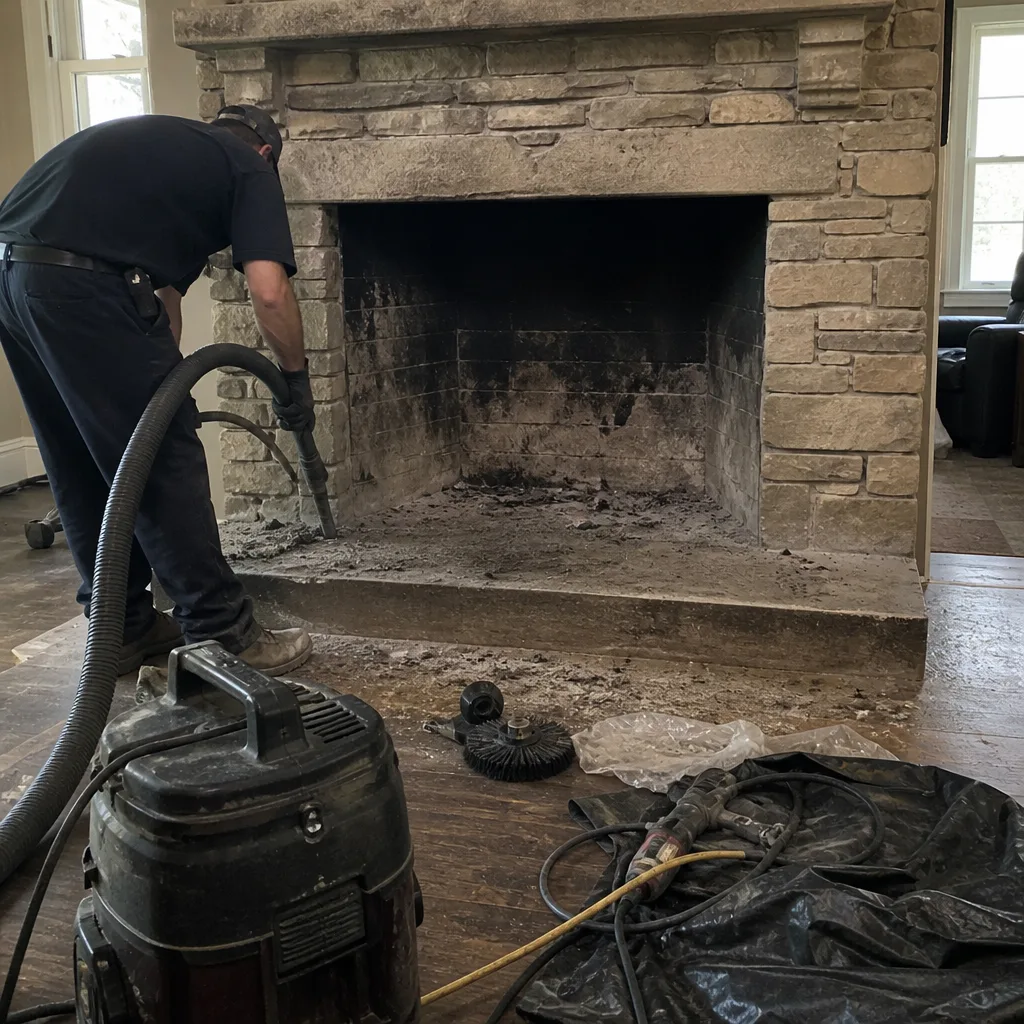
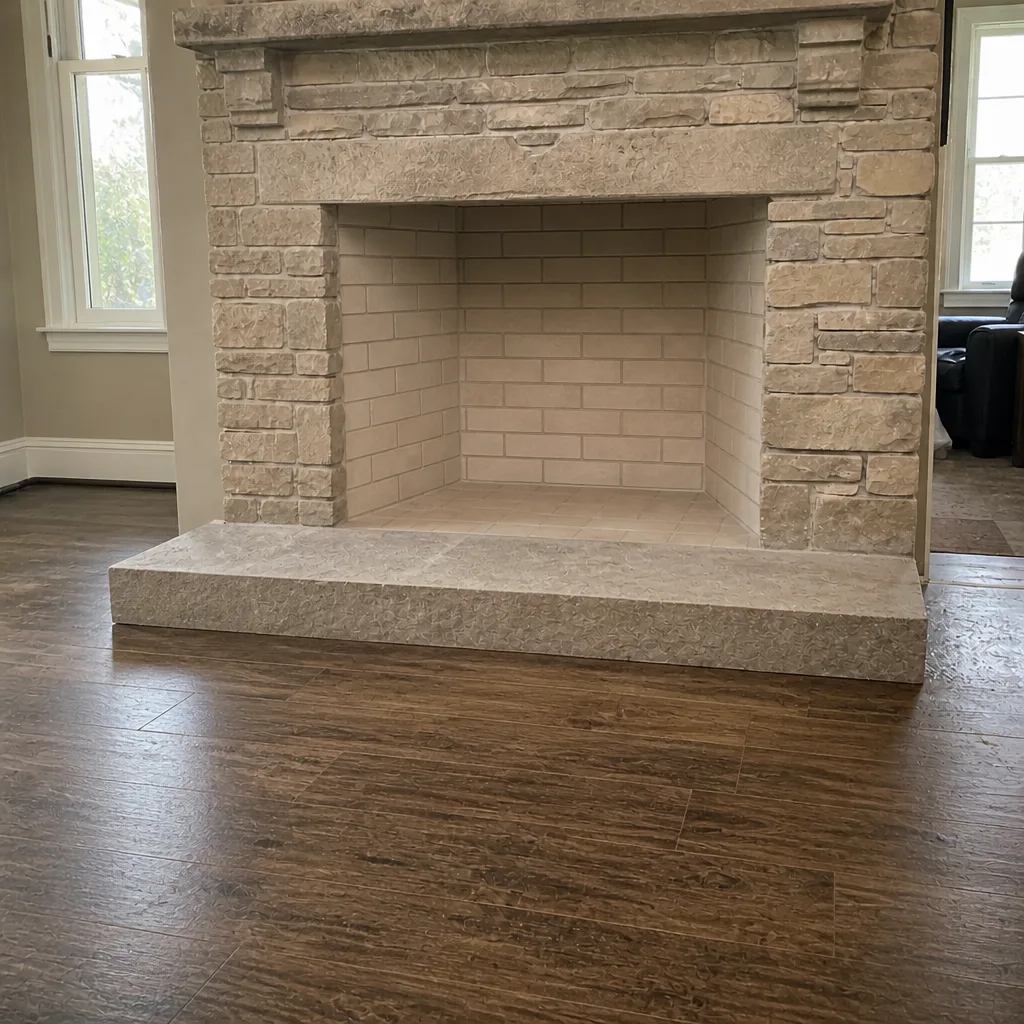
- Skipping the pre-season sweep because the fireplace “looks clean.” Creosote builds inside the flue, not in the firebox you can see. A sweep is what removes it; the firebox view tells you very little.
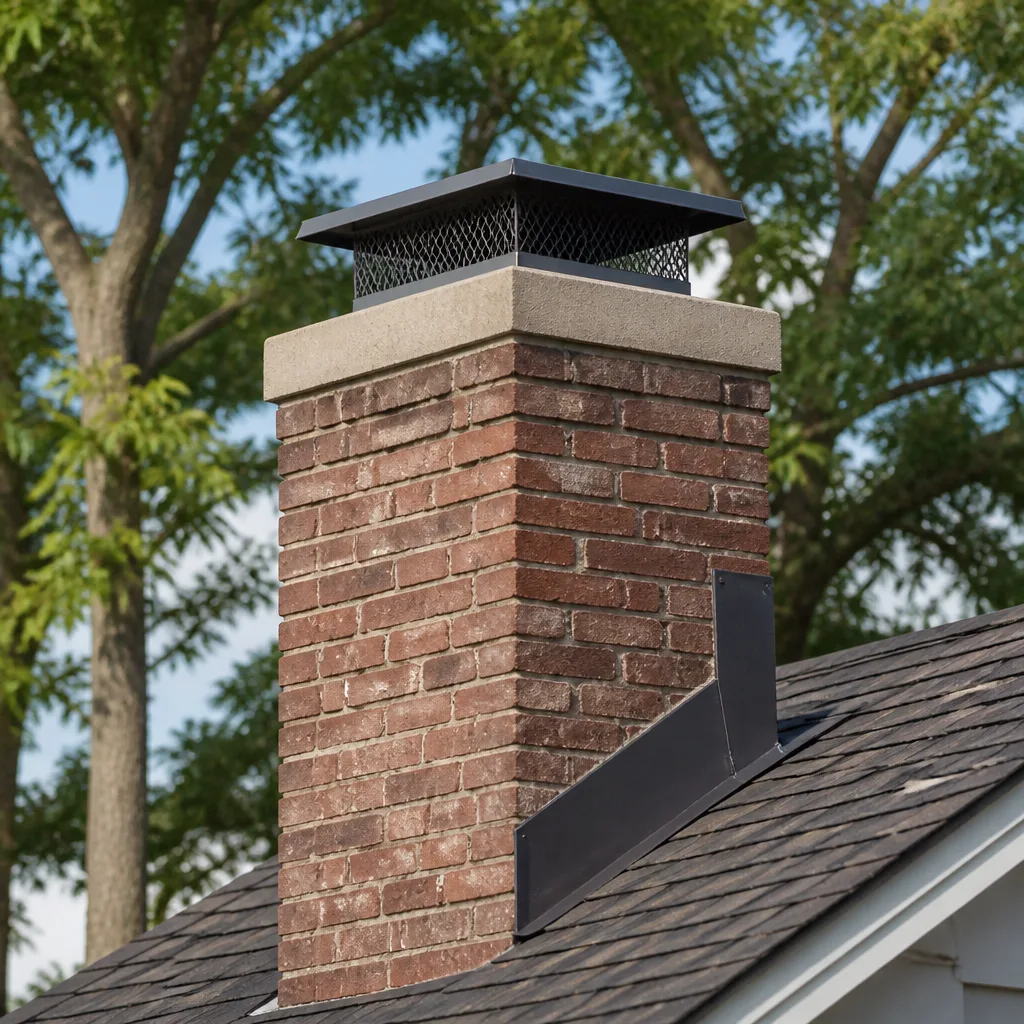
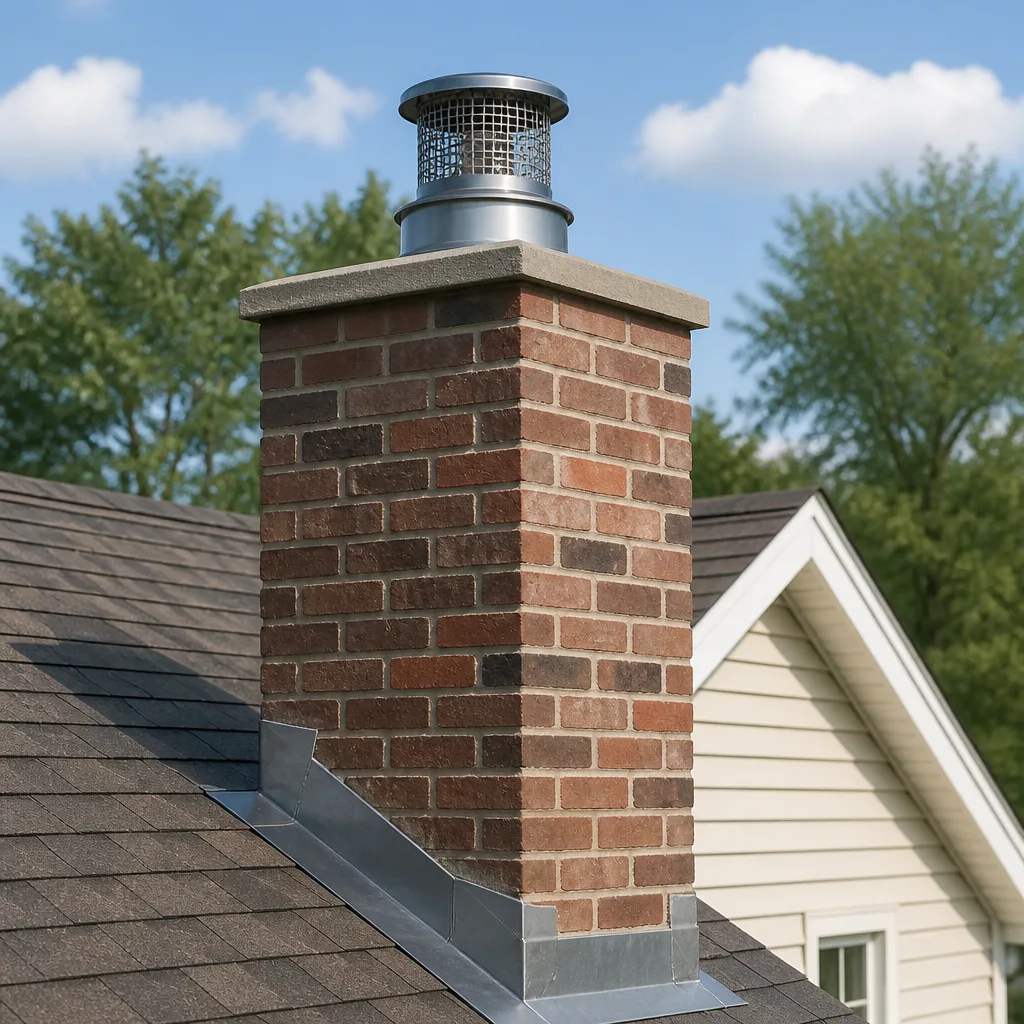
- Trusting a cap that wasn’t inspected with the chimney. A damaged cap, missing spark screen, or loose fit lets birds, squirrels, and rain into the flue. Have it checked at each sweep, and if it needs replacing, a cap from a maker like Gelco or Olympia Chimney runs the full range from basic to animal-proof.
See the difference
 Before
 After
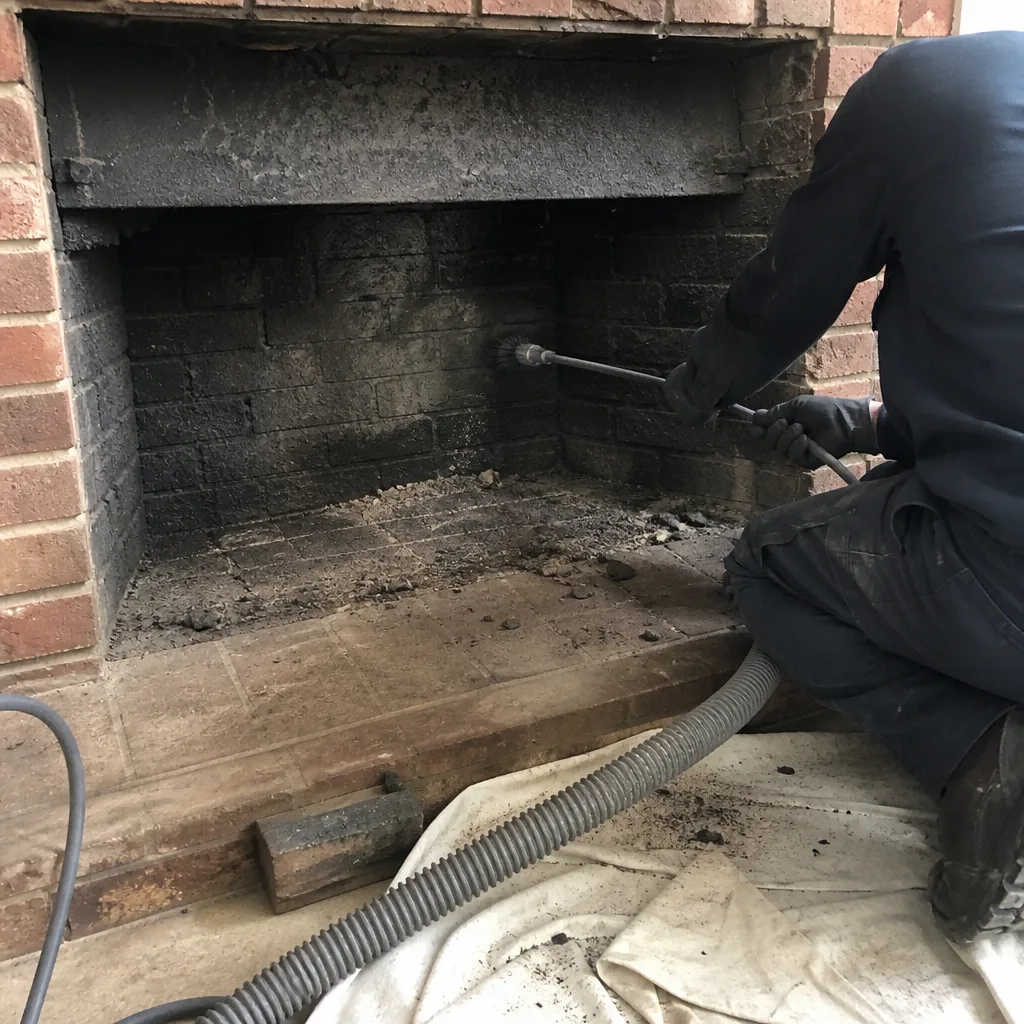 Before
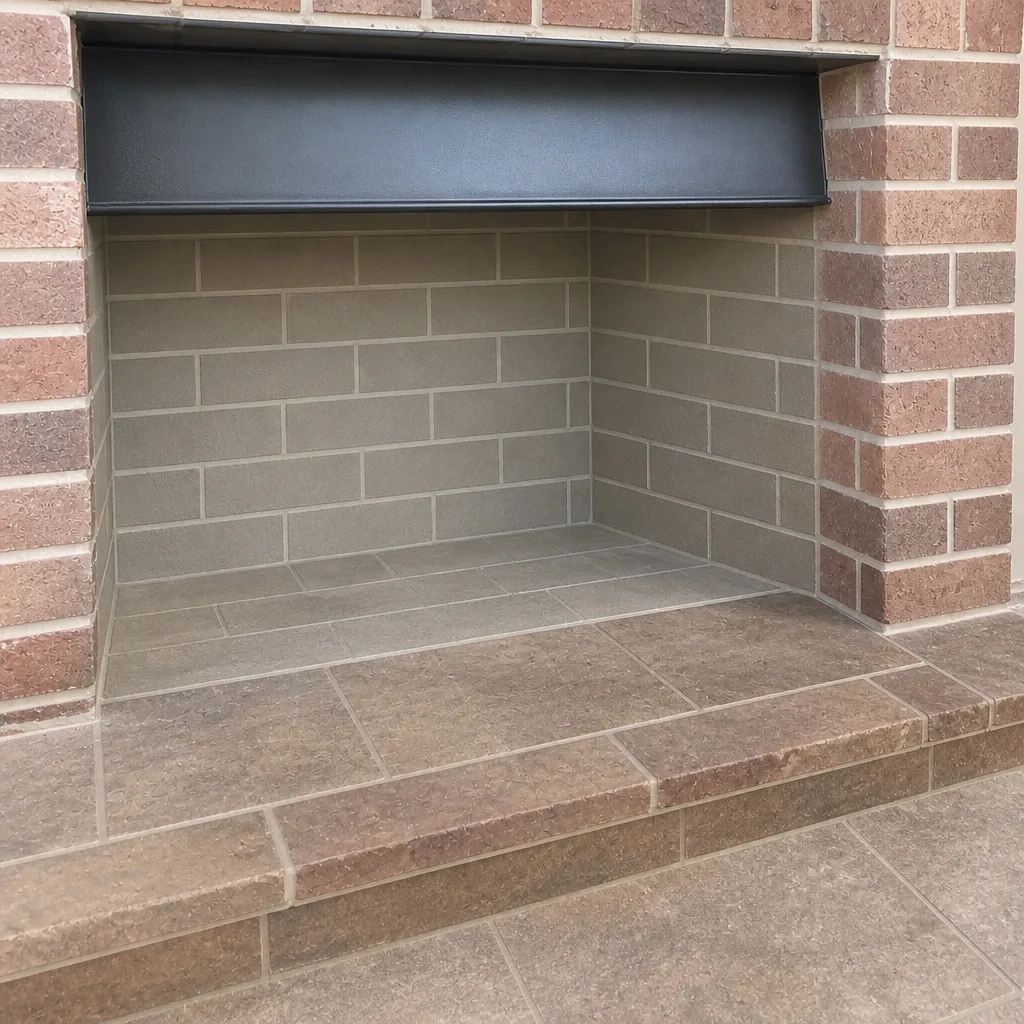 After
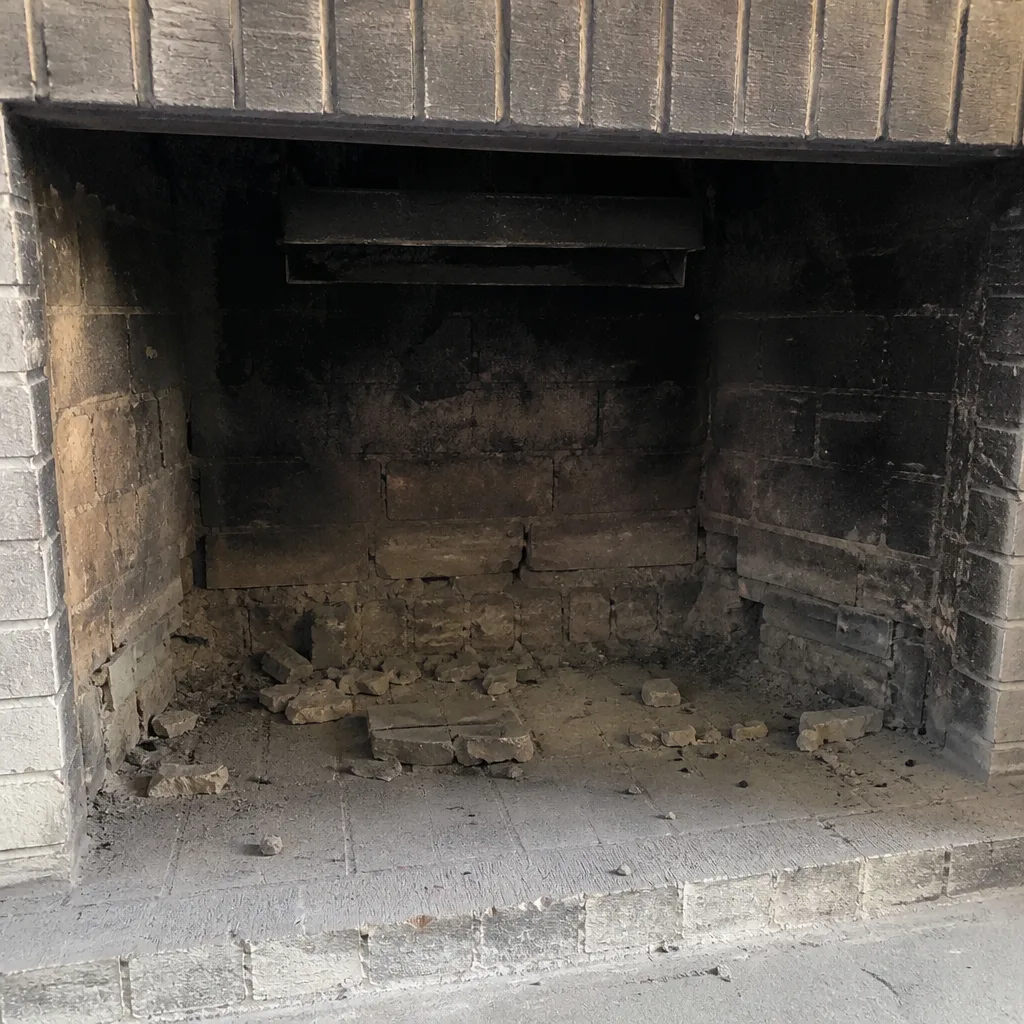 Before
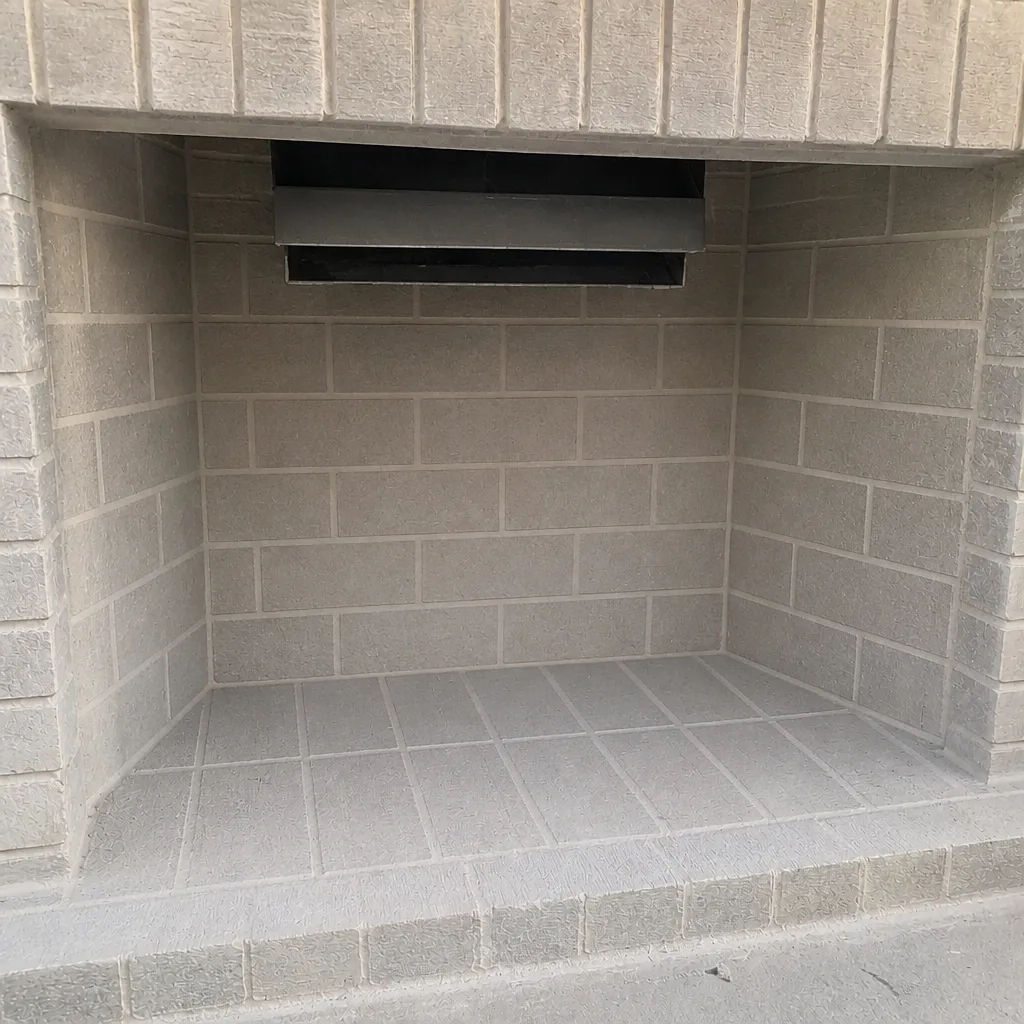 After
When to Call a Professional
Call a chimney professional when you suspect a chimney fire has occurred (after 911 and the fire department have cleared the scene), when your carbon monoxide detector has alarmed and the fire department has cleared the property, when you see smoke rolling back into the room during a fire, when you hear a rumbling or popping from the flue during a burn, or when you’ve moved into a home and don’t have a documented inspection on file. Also call if your flue has never been swept and you’ve been burning for a season or more. The same applies to the dryer vent line: if it’s been two years since the last cleaning, or if clothes take two cycles to dry, that’s the trigger. Our technicians have up to 9 years of experience with the structural and diagnostic side of these jobs. Nashville Chimney Cleaning offers free estimates in Nashville – call (844) 405-8628 to book a sweep, an inspection, or a repair assessment.
Frequently Asked Questions
You don’t, at least not with certainty, and that’s the point. Once the fire department has cleared the scene, the chimney cannot be used again until a Level 2 inspection confirms the flue is intact. A fire that appears out can leave a cracked tile or warped liner that lets heat reach framing when you burn next. Call (844) 405-8628 to schedule the inspection.
Yes. NFPA 211 requires a Level 2 inspection after any chimney fire before the chimney is returned to service, regardless of size. “Small” is a judgment made from the firebox floor, and the damage that matters is inside the flue. A camera scan is the only reliable answer.
Once a year for most homes with an active fireplace, and more often if you burn heavily or burn green or unseasoned wood. The sweep removes creosote before it can glaze and fuel a fire. Schedule before the burning season starts so the flue is clear before the first cold snap. Call (844) 405-8628 to get on the schedule.
One on every level of the home, one in the room where the fireplace or gas insert is located, and one outside the sleeping areas. Place it at roughly breathing height, and test it before each burning season. If it alarms while the fireplace is running, get everyone outside and call 911.
Creosote builds up inside the flue whether or not you notice it, and the more that’s there, the hotter a chimney fire burns and the harder it is to remove later. The cost of a sweep before the season is far less than the cost of a Level 2 inspection and relining after a fire. Book the sweep. Call (844) 405-8628.
Yes. Lint in the vent line is a fire fuel in the same way creosote in a flue is, and dryer vent fires are a recognized leading cause of house fires. Annual cleaning of the full vent line, not just the lint trap, is the preparedness step. Call (844) 405-8628 to add it to the same visit.
The Bottom Line
The homes that come through a chimney fire or a CO event well aren’t the ones that reacted fastest in the moment. They’re the ones that planned the response before the moment arrived. Print the first-five-minutes sequence, put the carbon monoxide detectors where they’ll actually fire early, and keep your inspection records in one place you can grab. Schedule a pre-season sweep and inspection in Nashville so you start the season knowing the condition of your flue. Preparedness is the plan you made in September; the fire is not the time to write it. If a fire has already happened, the Level 2 inspection comes first, before anyone lights another match.
If you’d like a second set of eyes on your chimney, a dryer vent line, or a repair that needs a real diagnosis rather than a guess, we’re glad to help. Our work covers chimney sweeping, dryer vent cleaning, and repair – all in-house, with materials from HeatShield, DuraFlex, Gelco, Olympia Chimney, Famco, and Copperfield. Call (844) 405-8628 for a free estimate. We answer 24/7. Fast dispatch from 7am to 7pm, Sunday through Friday.
Written by the team at Nashville Chimney Cleaning.