
Last updated November 14, 2026
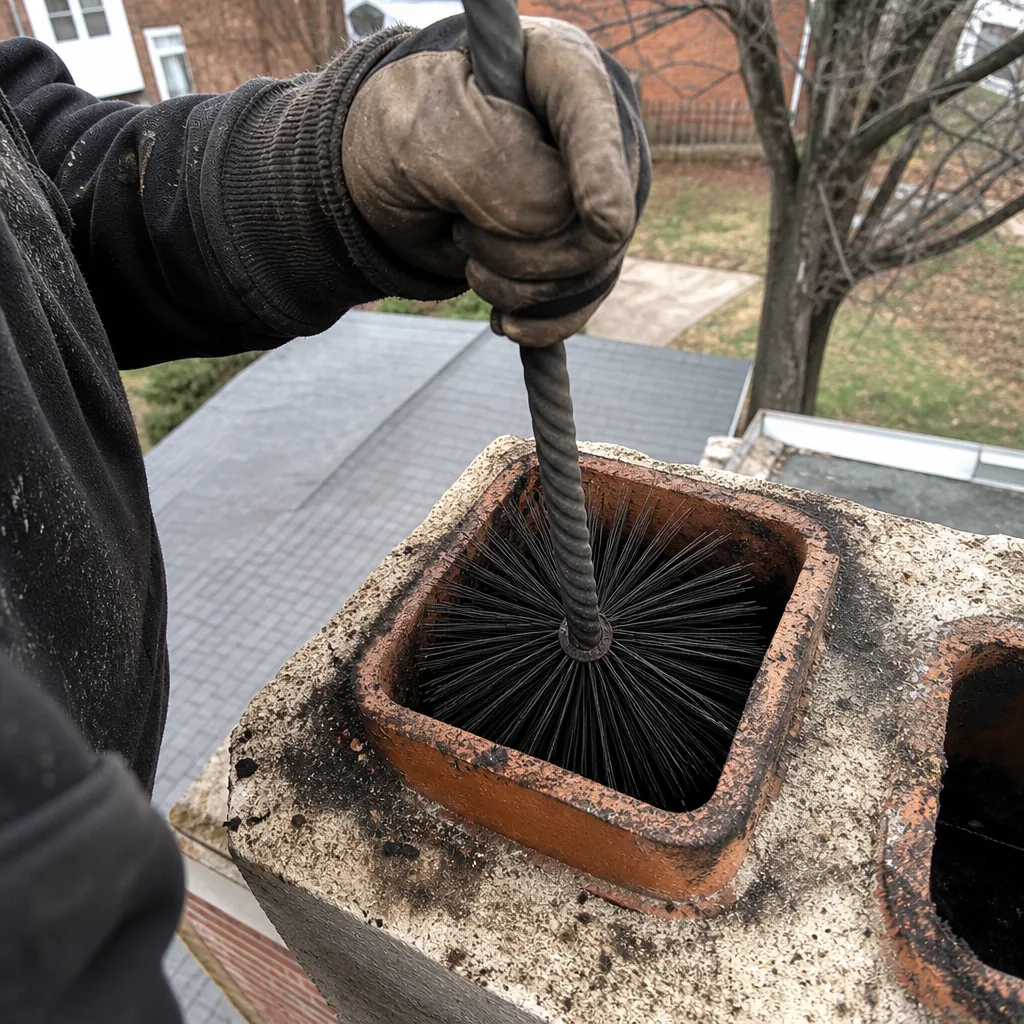
 Sweep & inspection
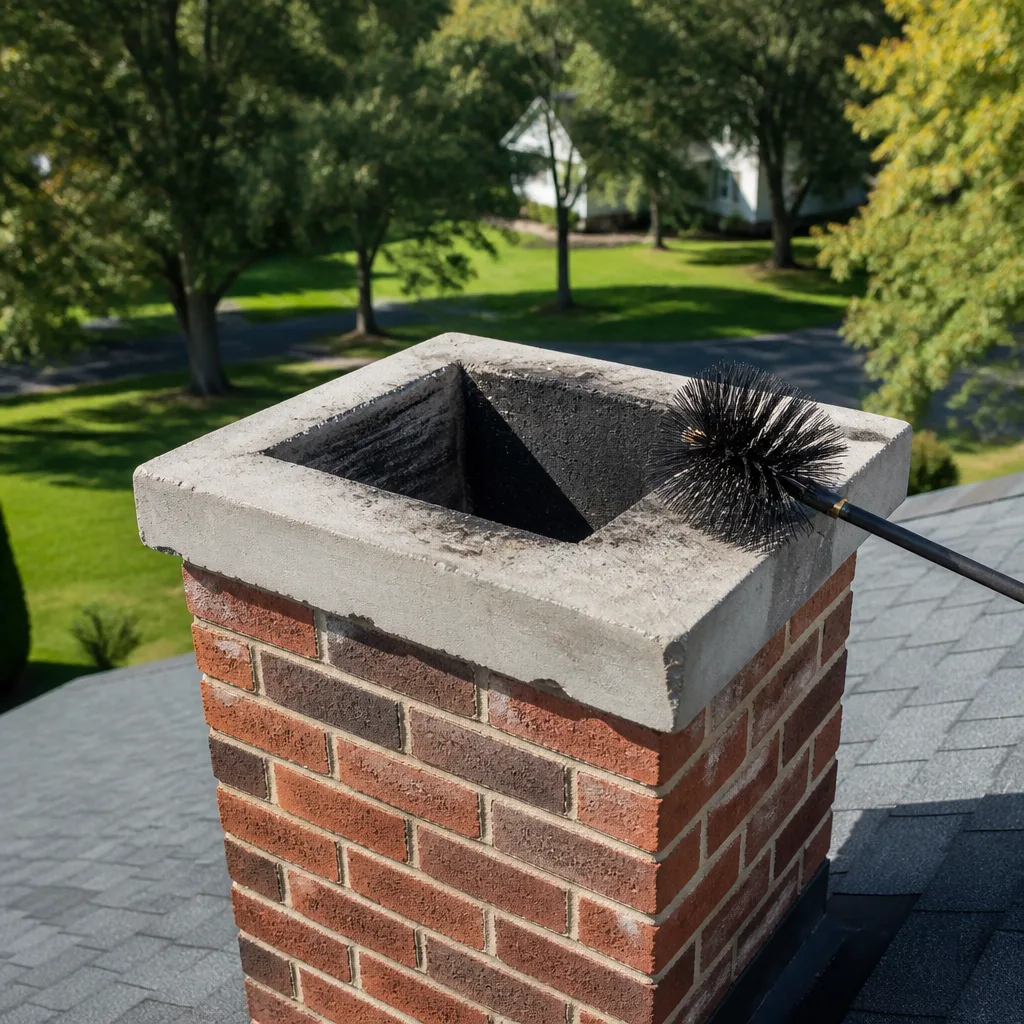
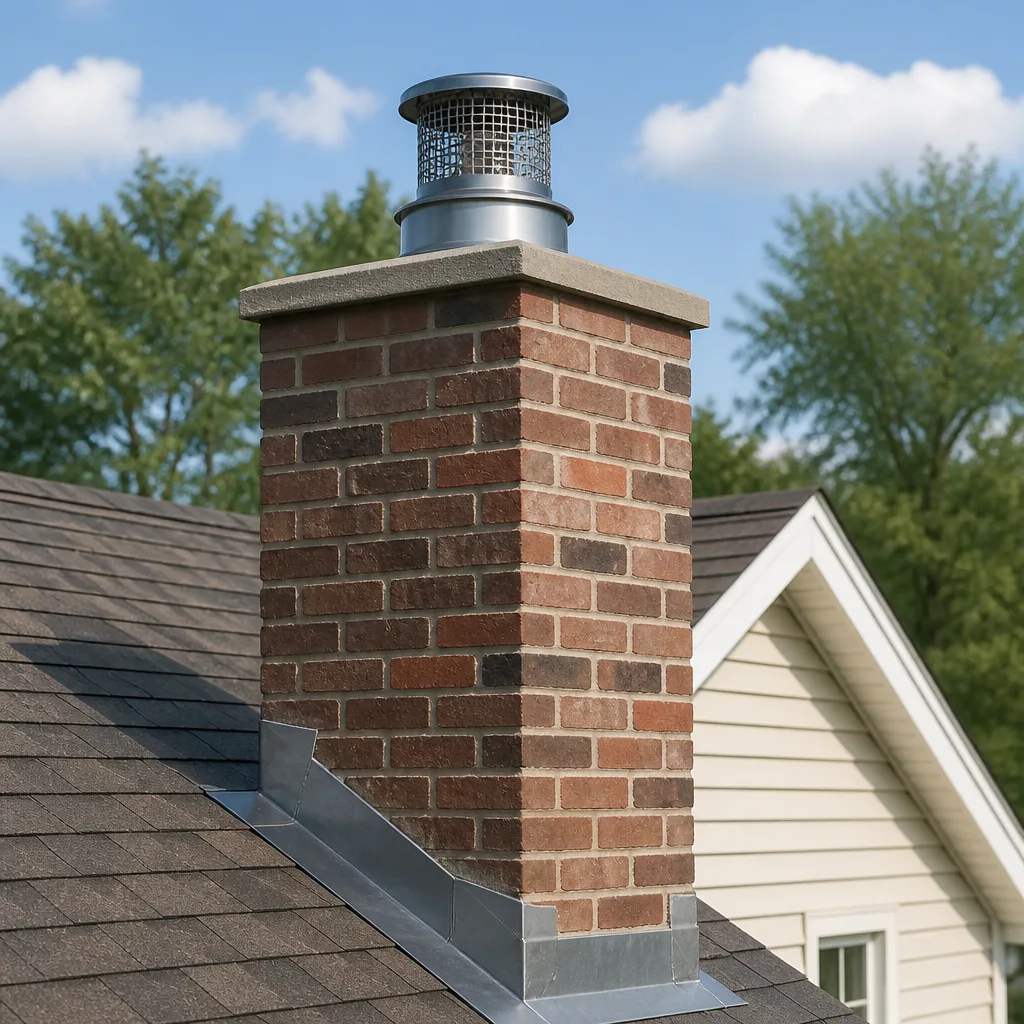
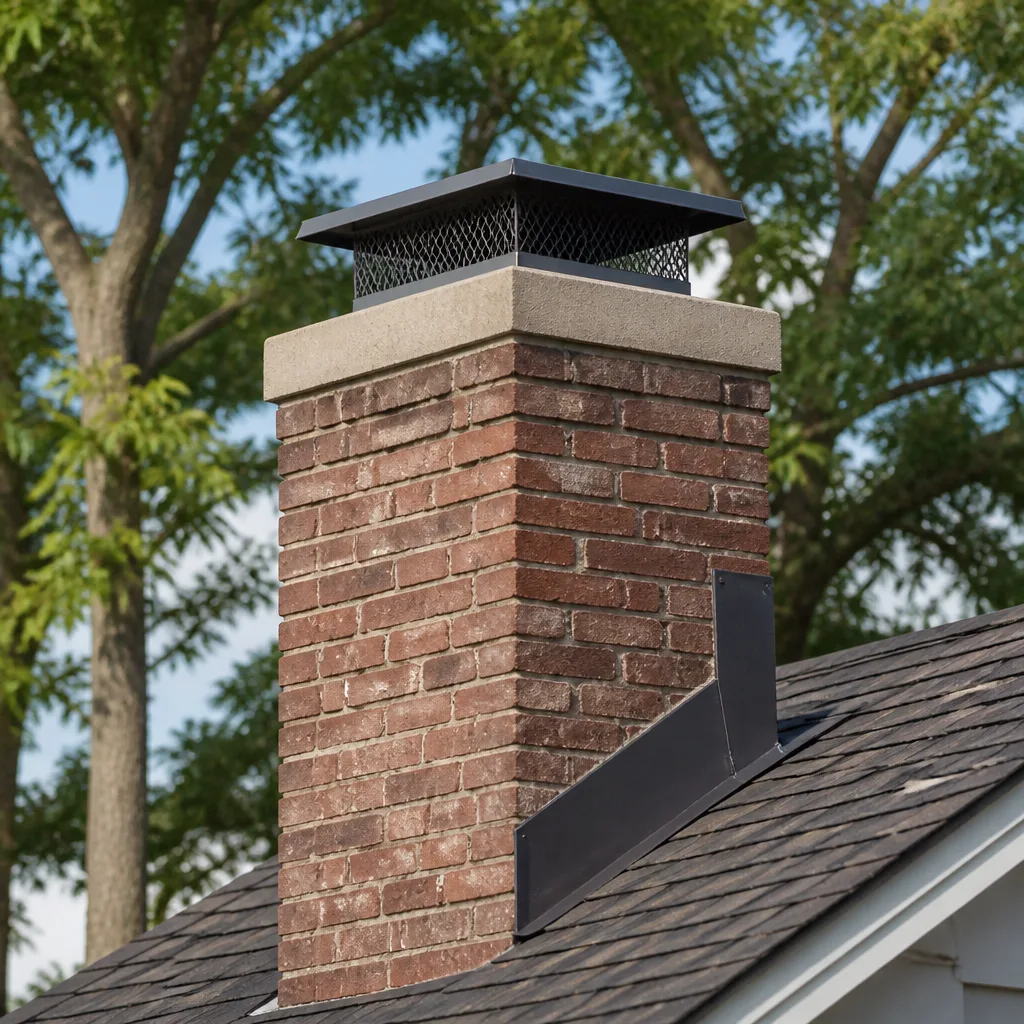 Caps & crowns
 Flue relining
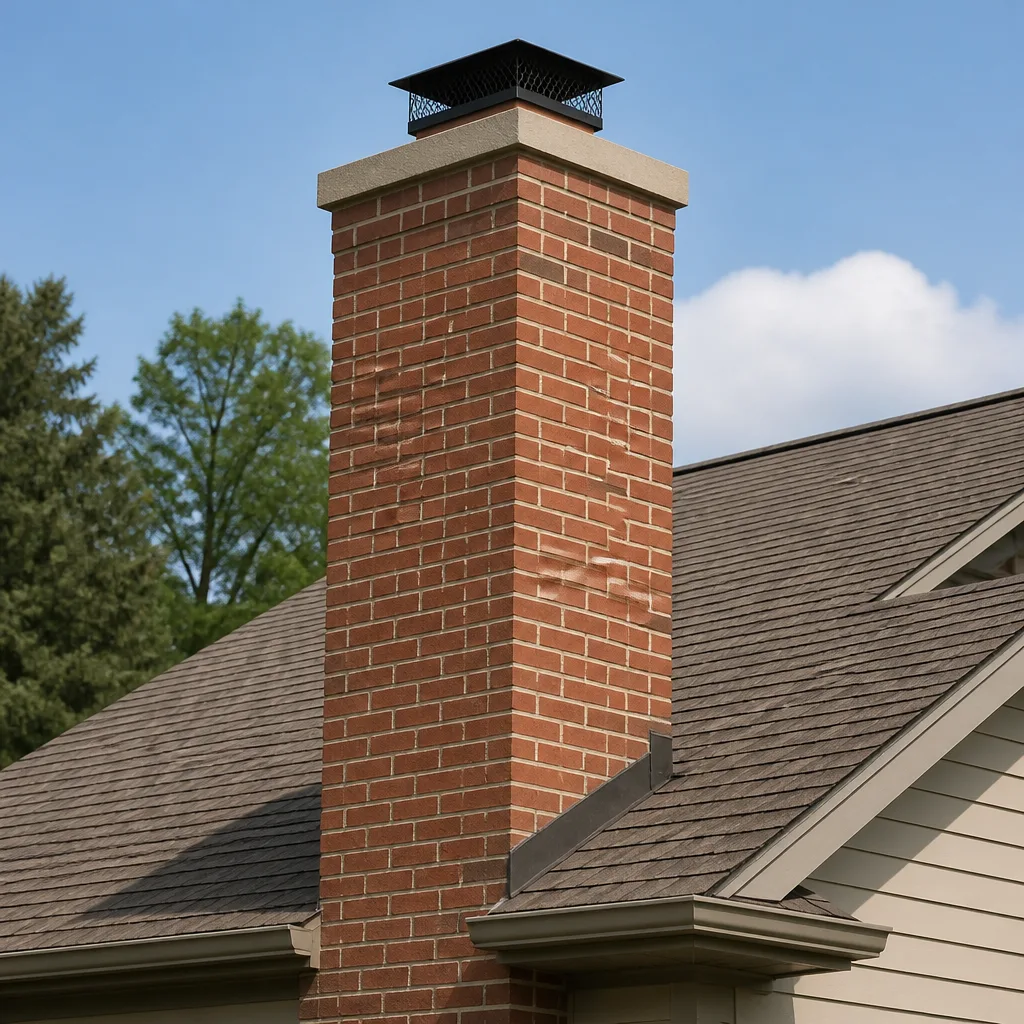 Masonry repair
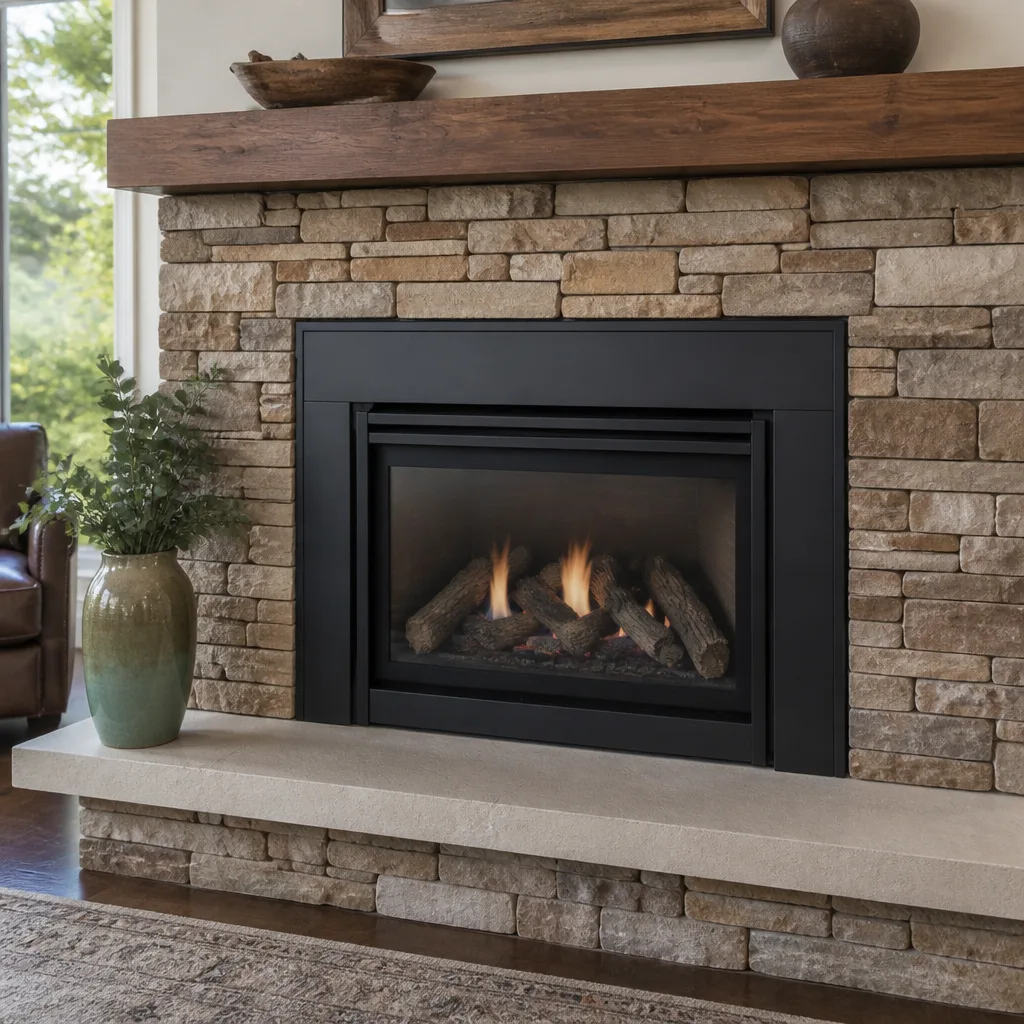 Gas fireplace service
Level 1 sweep and inspection to the NFPA 211 annual standard - flue, crown, cap, and flashing checked and photographed
Chimney sweep logs do not sweep chimneys. They loosen some creosote - which then falls where a brush and vacuum still have to collect it.
Chimney Cleaning Permits, Codes & Inspections in Nashville, TN: What You Need to Know
Most homeowners don’t think about chimney permits until the week before closing, when a buyer’s inspector flags an unpermitted repair and the deal stalls. That’s the wrong time to learn the rules. A chimney repair done without a required permit isn’t just a paperwork problem – it can complicate insurance coverage for fire damage and create a material disclosure obligation when you sell. This guide walks through what actually triggers a permit in Nashville, how Tennessee’s code framework applies to chimney systems, and which documents to keep. You’ll finish knowing what a code-compliant inspection looks like and why NFPA 211 matters when you hire.
Quick Answer
Routine chimney sweeping on an existing, unaltered flue typically falls under maintenance and does not require a Metro Nashville building permit. Structural changes – relining a flue, adding or replacing a chimney, installing a wood stove, or rerouting a vent – generally do require a permit and inspection through the Metro Nashville Codes Department. Code compliance in Tennessee follows the International Residential Code, and chimney service standards follow NFPA 211.
Styles & brands we work with
- Sweep & inspection
- Caps & crowns
- Flue relining
- Masonry repair
- Gas fireplace service
Table of Contents
- Permit or Maintenance? What Triggers a Permit in Nashville
- How the IRC Applies to Chimneys in Tennessee
- The Metro Nashville Codes Department and What It Looks For
- What NFPA 211 Is and Why It Governs the Trade
- How to Verify a Contractor Actually Follows NFPA 211
- Documents to Keep After Any Chimney Work
- How Unpermitted Work Affects Insurance and a Home Sale
- Nashville Climate, Housing Stock, and Combustion Safety
Permit or Maintenance? What Triggers a Permit in Nashville
The dividing line is whether the work changes or replaces part of the chimney system, or whether it just cleans it. Cleaning that leaves the flue structure untouched is maintenance. Repairing, rebuilding, relining, or altering is construction, and construction in the Metro Nashville service area runs through the permitting process.
The following typically do NOT require a permit:
- Sweeping soot and creosote from an existing, correctly connected flue
- Removing a bird nest, leaves, or debris from an established flue
- Cleaning a dryer vent where the existing ductwork stays in place
- Replacing a chimney cap or damper with the same size and type of component
The following generally DO require a permit and inspection:
- Installing a new chimney or rebuilding above the roofline
- Relining a flue with a full flexible liner system, which is a structural change to the venting path
- Changing fuel type or appliance – adding a wood stove insert, converting to gas, or installing a new appliance connection
- Rerouting dryer vent ductwork through a wall, floor, or roof
- Resurfacing a deteriorated flue with a ceramic restoration product where it re-establishes the flue’s structural integrity
We always tell homeowners to confirm with the Metro Codes Department before work is scheduled, because the answer depends on the specific change and the specific property. Permits are cheap. Discovering an unpermitted reline during a sale is not.
How the IRC Applies to Chimneys in Tennessee
Tennessee adopts the International Residential Code at the state level. That means IRC provisions on chimney clearance, height above the roof, flue sizing, and combustion air apply to a Nashville chimney installation – unless a local amendment says otherwise. The IRC’s Chapter 10 sets the baseline: chimney height above the roof, distance from combustibles, the requirement for a flue liner, and the venting requirements that keep carbon monoxide from backing into the home.
Where Nashville’s local amendments and the state code diverge, the Codes Department’s adopted edition controls. The practical effect for a homeowner:
- The adopted code edition determines which liner and clearance standards apply to the job on that property
- Where the IRC and a manufacturer’s installation instructions conflict, the stricter requirement usually governs, and inspectors typically look for compliance with both
- Clearance to combustibles is checked, not assumed – a chimney that looks fine can still fail the clearance test in an older home where framing was built closer than the modern standard allows
This is why we’re careful to reference the specific adoption, not a generic standard. A contractor who can’t tell you which code edition Metro Nashville has adopted, or can’t explain where the IRC’s default clearance rules diverge from a local amendment, is guessing. For a community with as much older housing as Nashville, that matters more than it does in a new-build market, because clearances and liners that passed decades ago can be non-compliant today.
The Metro Nashville Codes Department and What It Looks For
The Metro Nashville Codes Department enforces adopted building codes on permit-required construction. A chimney inspection under the permit process is not the same thing as a chimney contractor’s internal inspection. They answer different questions, and homeowners sometimes confuse them.
A code inspection typically evaluates:
- Whether a permit was pulled for the scope of the work
- Flue liner presence, condition, and type relative to the appliance
- Clearance from combustibles in framing and within the chase
- Chimney height and termination relative to the roof and adjacent structures
- Venting configuration, including whether it matches the appliance category
- Combustion air, particularly for enclosed or tightly built homes
- Dryer vent duct material and routing where the permit covers it
A chimney contractor’s internal inspection is different. It’s a diagnostic look at the flue and system that includes a visual scan and, where the flue won’t show its full length from inside, a camera. In our experience, the two inspections can both pass, or the code inspector can flag clearance issues that only surface visually with a camera and a flashlight. Getting a contractor’s inspection before you pull a permit saves rework, because the problem surfaces before the inspection milestone rather than during it.
For a routine, permit-free chimney sweep, none of this applies. That’s a maintenance visit, and it’s the one homeowners shouldn’t skip, because it’s where flue problems get caught early.
What NFPA 211 Is and Why It Governs the Trade
NFPA 211 is the National Fire Protection Association’s standard for chimneys, fireplaces, vents, and solid-fuel-burning appliances. It’s the standard that tells a homeowner how often to sweep, how to inspect, and what constitutes an acceptable lining. It’s the operating manual for the trade. Where the IRC governs how a chimney is built, NFPA 211 governs how it’s maintained, inspected, and evaluated once it’s in service.
Three practical points homeowners should know:
- Sweeping frequency is defined by the standard, not by a contractor’s preference. NFPA 211 describes when to sweep and inspect, and a professional sweep can explain exactly which criteria apply to your setup rather than handing you a generic “once a year” answer.
- Inspection levels are defined. The standard distinguishes between a basic inspection, a more thorough inspection after a change in fuel or appliance, and a diagnostic inspection following a fire or suspected damage. Ask which level you’re getting.
- The standard is what a code-compliant chimney is compared against. That means an inspector and a contractor are often checking the same things against the same reference. When they agree, you have a defensible record.
Our technicians have up to 9 years of experience and work to NFPA 211 as the reference standard for every sweep and every repair. That’s not a marketing phrase. It’s what determines whether a chimney is safe to burn in for another season.
How to Verify a Contractor Actually Follows NFPA 211
Anybody can claim to follow a standard. Verification is a short conversation, and a professional should welcome it.
Ask these questions before booking:
- “Which inspection level will you perform, and why?” A clear answer tells you they know the NFPA 211 levels. A vague answer tells you the standard is a logo on their website, not the way they work.
- “Do you use a camera, and will I see the footage?” A sweep that can’t show you the flue from end to end is asking you to take its word for the condition of the interior.
- “Which products do you install?” A specialist should name the actual systems. We install DuraFlex flexible liners and apply HeatShield ceramic resurfacing, and we work with Olympia Chimney and Copperfield components for caps and venting hardware. Hearing specific manufacturers that you can then verify independently is the difference between a specialist and a generalist.
- “What documentation will I get after the work?” An inspection summary, a photo report, and the permit card if a permit was pulled.
A contractor who can’t or won’t answer these questions directly is worth a second look. The verification standard here isn’t whether they say the right words – it’s whether they explain themselves clearly and back it up with a report.
Documents to Keep After Any Chimney Work
This is the section most guides skip. The documents are the difference between a smooth insurance claim and an uphill dispute, and the difference between a clean sale and a stalled closing.
Keep the following after any chimney work:
- Sweep and inspection report – the written record of what was found, with photos or camera footage included
- The written estimate and final invoice – showing the scope of work, materials, and dates
- Permit number and inspection results – for any permitted work, a record that the work passed
- Material specifications – brand, product, and warranty documentation for any liner, cap, or component installed
- Photos before and after – the simplest proof of the condition of the flue at the time of service
Keep these for the life of the appliance or the life of the chimney system, whichever applies. If a fire or carbon monoxide event later involves the chimney, that paperwork shows the system was serviced by a professional working to NFPA 211. Without it, the insurer’s adjuster has only your word and the current condition of a damaged system.
For a home sale, a Nashville buyer’s inspector will ask for the most recent sweep and inspection report. A seller who can produce a clean, dated report and a permit record for any reline is in a very different negotiating position than one who can’t.
How Unpermitted Work Affects Insurance and a Home Sale
Unpermitted chimney work is a quiet liability. Your policy may treat an unpermitted, non-compliant modification as outside the scope of covered loss after a fire, because it wasn’t built to the adopted code. Requirements vary, and we don’t give legal advice – a call to your insurer’s claims line is the only way to know your policy terms. But the risk is real and it’s the reason we ask about permits before we start structural work.
On the sale side, a Nashville seller is generally obligated to disclose known material defects and known non-permitted work. A chimney reline done without a permit is the kind of thing a buyer’s inspector will catch and a seller’s agent will have to explain. That conversation is harder when the work predates you and there’s no permit record either way.
The remedy is boring. If you’re buying a home with a chimney, get an inspection before closing and ask for the permit history. If you’re selling, order a sweep and inspection early so any issue can be resolved before the buyer’s inspector finds it. If you’ve inherited an unpermitted repair, talk to Metro Codes about how to bring it into compliance – retroactive permitting is often possible, and it’s cheaper than a renegotiation.
Nashville Climate, Housing Stock, and Combustion Safety
Nashville’s climate matters here in a way homeowners don’t always connect to code compliance. From the Nashville basin to the older neighborhoods around East Nashville, 12South, and Sylvan Park, many homes have houses that were built when clearances and liner requirements were different from today’s IRC. That’s not a defect in those homes – it’s the reason inspection matters before a sale. A chimney that’s been in use for decades can be non-compliant with the current code and still look fine from the living room.
The heating season in Nashville also means the chimney is under load. When the weather turns cold, a flammable creosote buildup in a flue lining that’s deteriorating gets exposed to repeated fire, and that’s when chimney fires happen. Carbon monoxide risk rises too, because a blocked or restricted flue from a debris nest can back exhaust into the living space. Neither problem announces itself. Both are spotted during a sweep and inspection, and that’s why we lead with combustion safety rather than seasonal convenience.
We also treat dryer vent cleaning as part of that same stack of safety services, not a separate housekeeping task. Lint accumulation in ductwork is a fire risk in its own right, and the Famco venting expertise we bring to chimney work informs how we evaluate dryer vent routing. One specialist, three service lines – sweeping, dryer vent cleaning, and structural chimney repair – so the same person who diagnoses the issue can fix it. There’s no handoff to a subcontractor.
For an overview of how we approach the full system, our Nashville chimney cleaning page is the place to start.
Common Mistakes to Avoid
- Assuming “it works fine” means it’s compliant. A chimney that drafts well can still fail a clearance check. Compliance is about what the code requires at the time of installation, not how the fire burns.
- Skipping the permit to save time on a reline. A reline without a permit is the single most common documentation gap we see in Nashville resales. The permit cost is small compared to the renegotiation it prevents.
- Hiring a generalist for structural work. Sweeping and repairing are different skills. A generalist handyman is not equipped to assess flue integrity against NFPA 211, and that gap can surface during the buyer’s inspection.
- Not asking which code edition Metro Nashville has adopted. A contractor who cites a generic standard instead of the local adoption is guessing, and you’ll pay for the rework.
- Throwing away the sweep report. Homeowners routinely discard the only written record of their chimney’s condition. Keep it for the life of the chimney, and it will be there when you need it.
- Waiting for the buyer’s inspector to find the problem. Order your own inspection before listing. It’s a smaller cost and it preserves your negotiating position.
- Assuming an unpermitted repair can’t be fixed. Retroactive permits are often possible. Ask Metro Codes about the path to compliance before assuming the worst.
See the difference
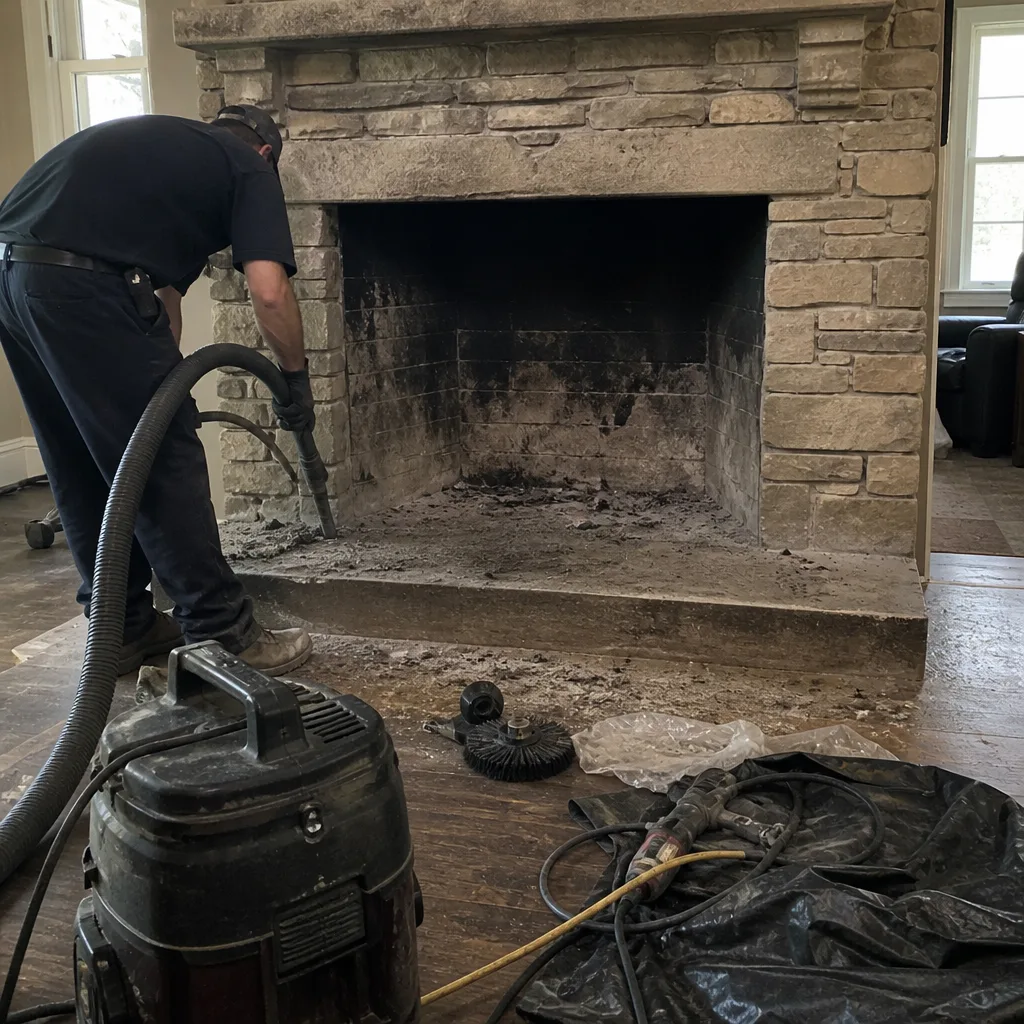 Before
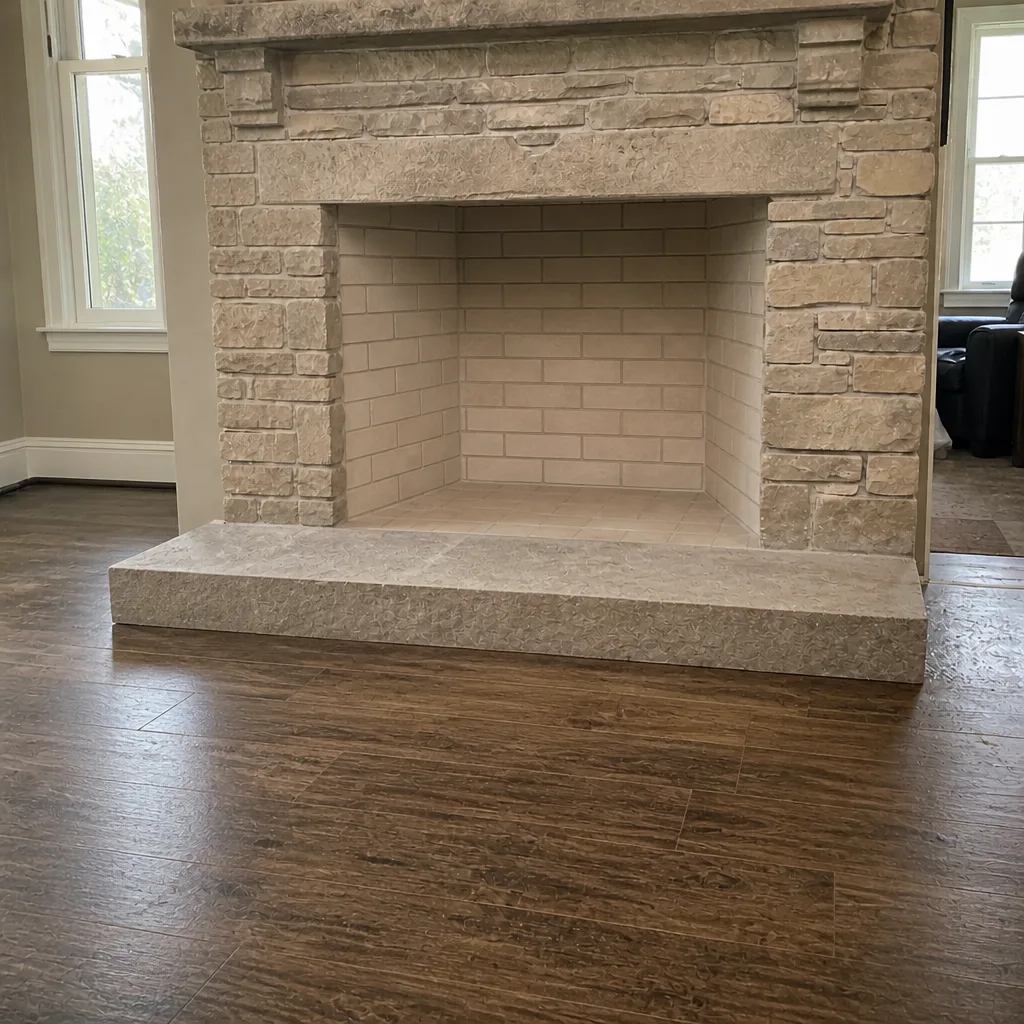 After
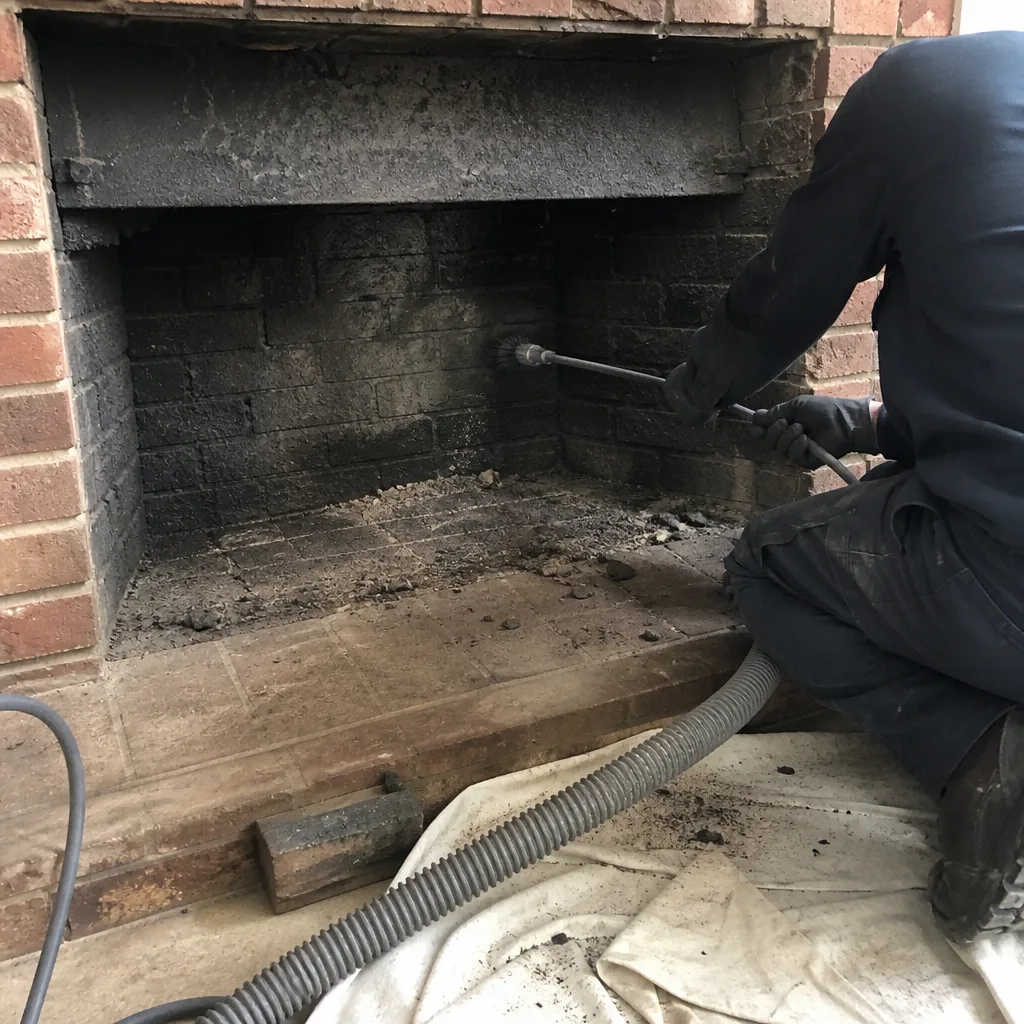 Before
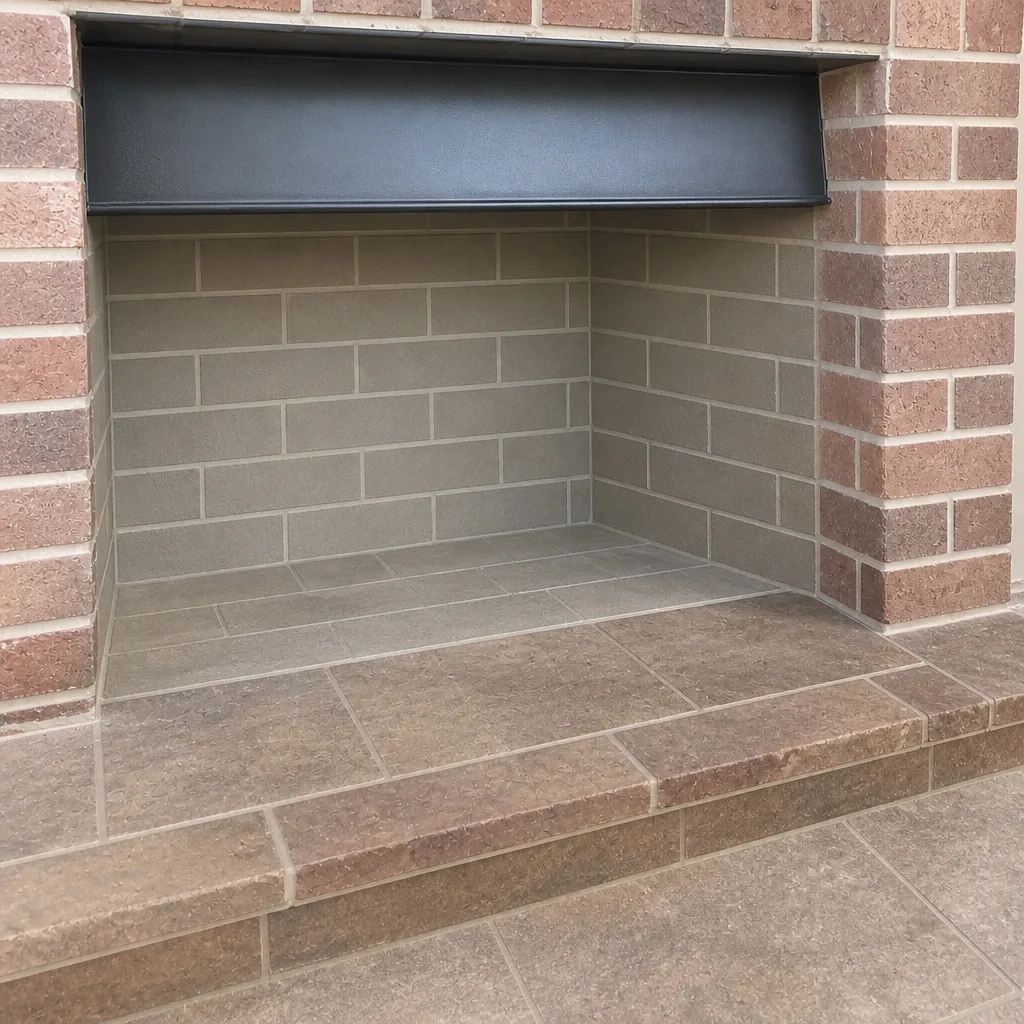 After
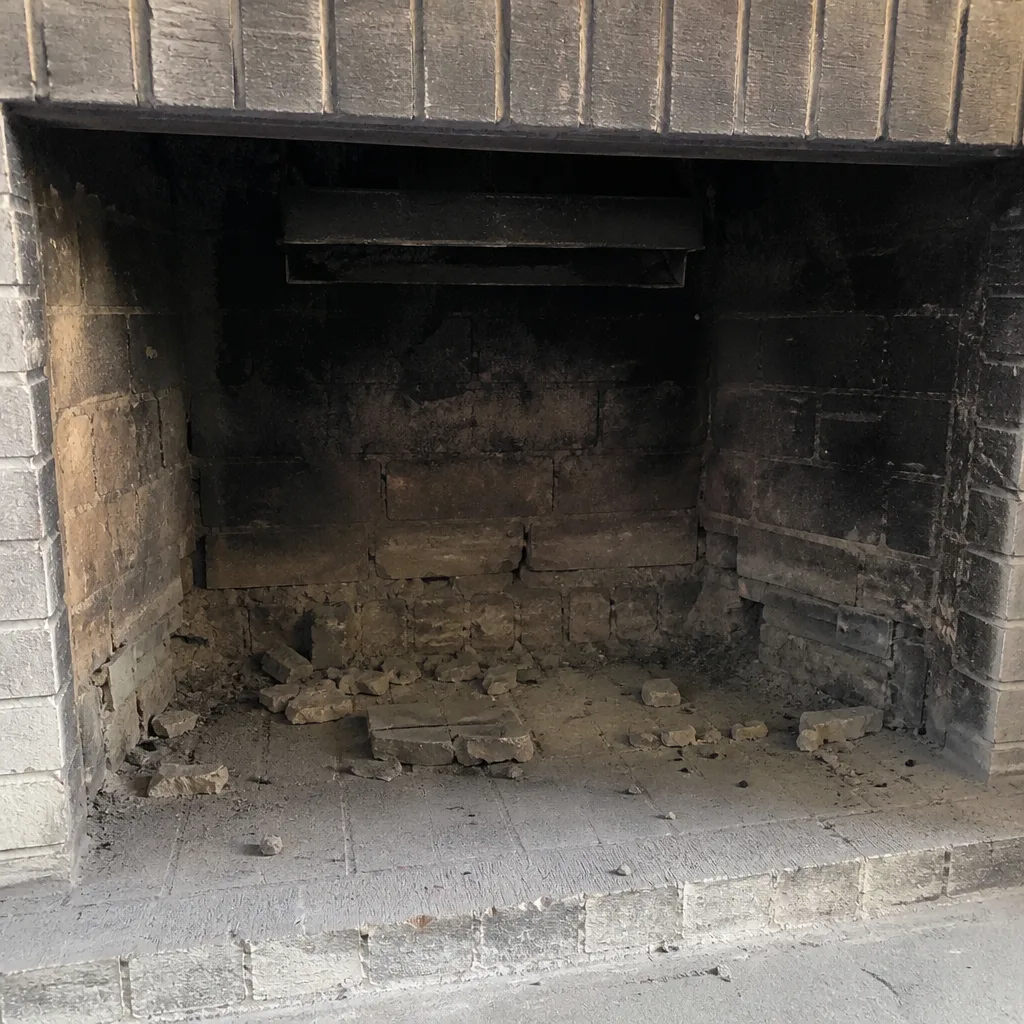 Before
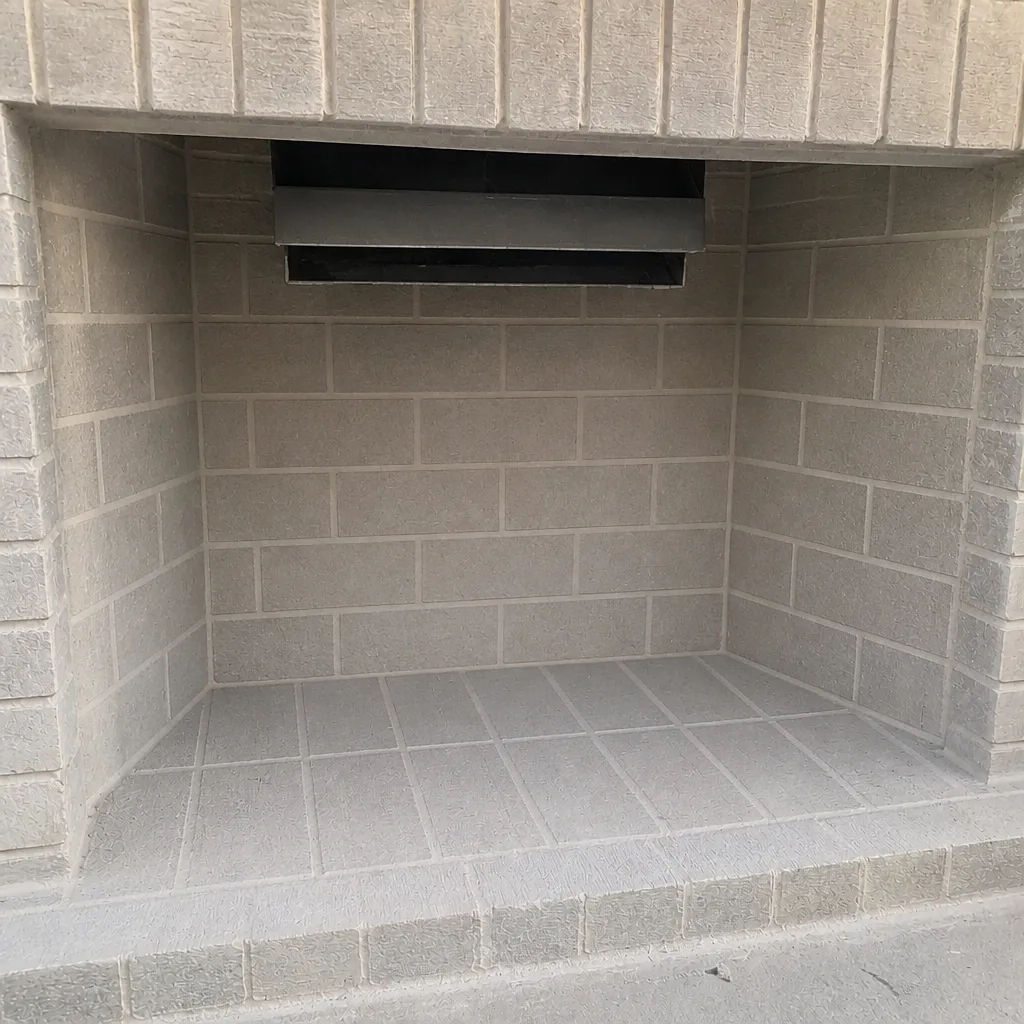 After
When to Call a Professional
Call a professional when a sweep report shows a deteriorated or unlined flue, when a reline is under consideration, when a wood stove or insert is being added, or when a dryer vent needs rerouting through a wall or roof. All of those involve structural work that falls under code compliance in Nashville, and all of them need a contractor who follows NFPA 211. Call early in a home sale rather than waiting for the buyer’s inspector. And call whenever a chimney cap, flue, or vent is damaged – a $150 inspection that finds a problem is always cheaper than discovering it after a fire.
Nashville Chimney Cleaning offers free estimates in Nashville – call (844) 405-8628. We answer 24/7. Fast dispatch from 7am to 7pm, Sunday through Friday. The written estimate sets the final price, and we won’t recommend structural work without camera evidence you can see for yourself.
Frequently Asked Questions
No. Routine chimney cleaning on an existing, unaltered flue is maintenance and typically does not require a Metro Nashville permit. Permits come into play when the work changes the system: relining, rebuilding, adding an appliance, or rerouting a vent. Call (844) 405-8628 for an exact answer for your property – estimates are free.
A code inspection under a permit evaluates the work against the adopted building code. A contractor’s inspection evaluates the flue and system against NFPA 211 and documents the condition. Both matter. The contractor’s inspection catches issues before the code inspection milestone, which is why we recommend getting one before pulling a permit. Call (844) 405-8628 to schedule.
NFPA 211 is the fire protection standard for chimneys, fireplaces, vents, and solid-fuel appliances. It defines how frequently to sweep and inspect, which inspection level applies to your situation, and what an acceptable lining looks like. It’s the reference standard behind every professional chimney recommendation. If your contractor can’t explain how it applies to your chimney, call (844) 405-8628 for a second opinion.
It can. An unpermitted, non-compliant modification may be treated as outside the scope of covered loss after a fire, depending on your policy terms. Requirements vary, so contact your insurer directly to confirm. The practical protection is documentation: a permit record and a sweep report. Call (844) 405-8628 for a free estimate before scheduling any structural work.
Keep the sweep and inspection report, the written estimate and final invoice, the permit number and inspection results, material specifications for any liner or cap, and before-and-after photos. Those five items cover an insurance claim and a home sale. They are the evidence that the work was done by a professional to the applicable standard. Call (844) 405-8628 to book an inspection.
Yes. Adding or changing a solid-fuel appliance generally requires a permit and inspection in Metro Nashville, because it changes the venting configuration and clearance requirements. Two things need checking before the job starts: whether the existing flue is sized and lined for the new appliance, and whether the permit is required in your specific case. Call (844) 405-8628 for a free estimate.
The Bottom Line
Permits and code compliance are the part of chimney ownership nobody thinks about until a sale or a claim forces the conversation. Sweeping is maintenance. Relining, rebuilding, appliance changes, and vent rerouting are construction, and in Metro Nashville those generally need a permit and inspection. Tennessee adopts the IRC, with local amendments that determine the exact clearance and liner rules on your property. NFPA 211 is the standard your contractor should be working to, and the documentation after any chimney work is what protects you at claim time and closing time. If you’re not sure where your chimney stands, a free estimate and a camera inspection will tell you.
Call (844) 405-8628 for a free estimate. We answer 24/7. Fast dispatch from 7am to 7pm, Sunday through Friday.
Written by the team at Nashville Chimney Cleaning.