
Last updated November 14, 2026
 Sweep & inspection
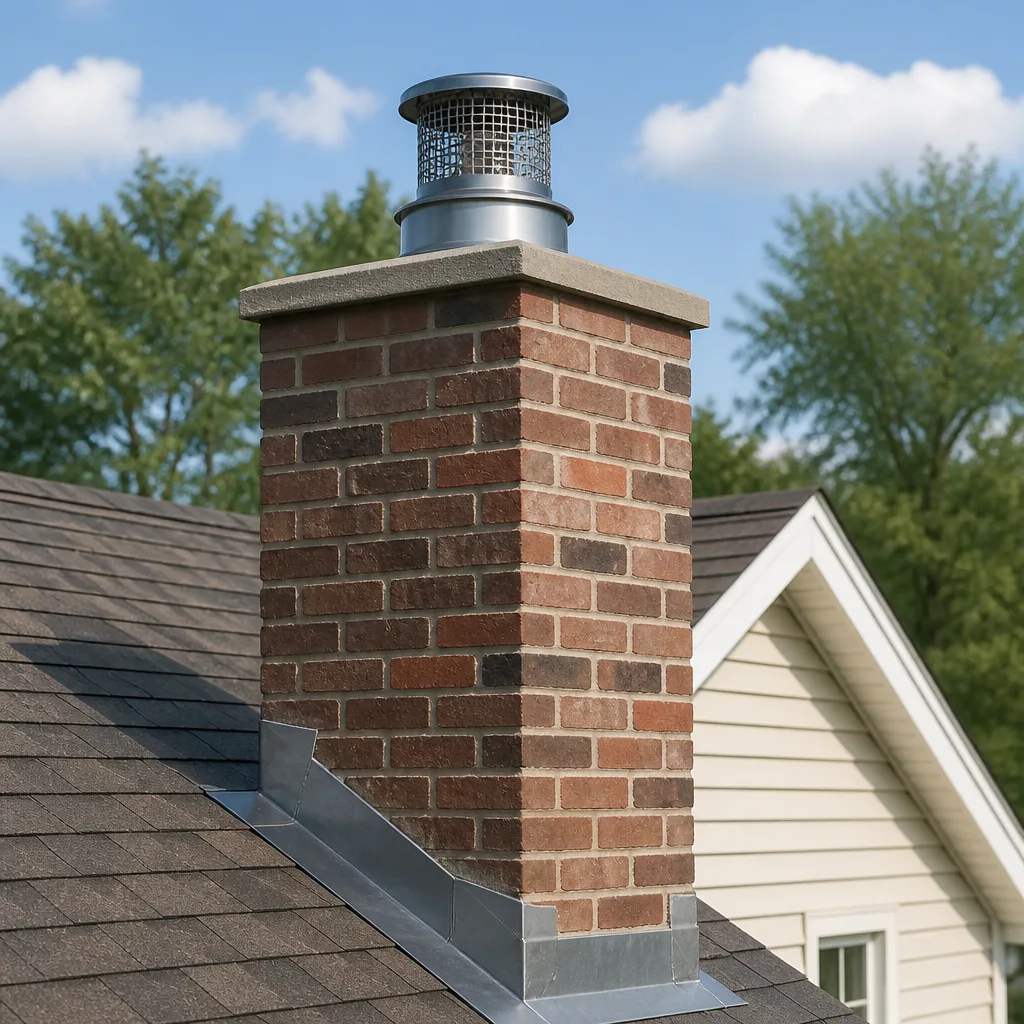
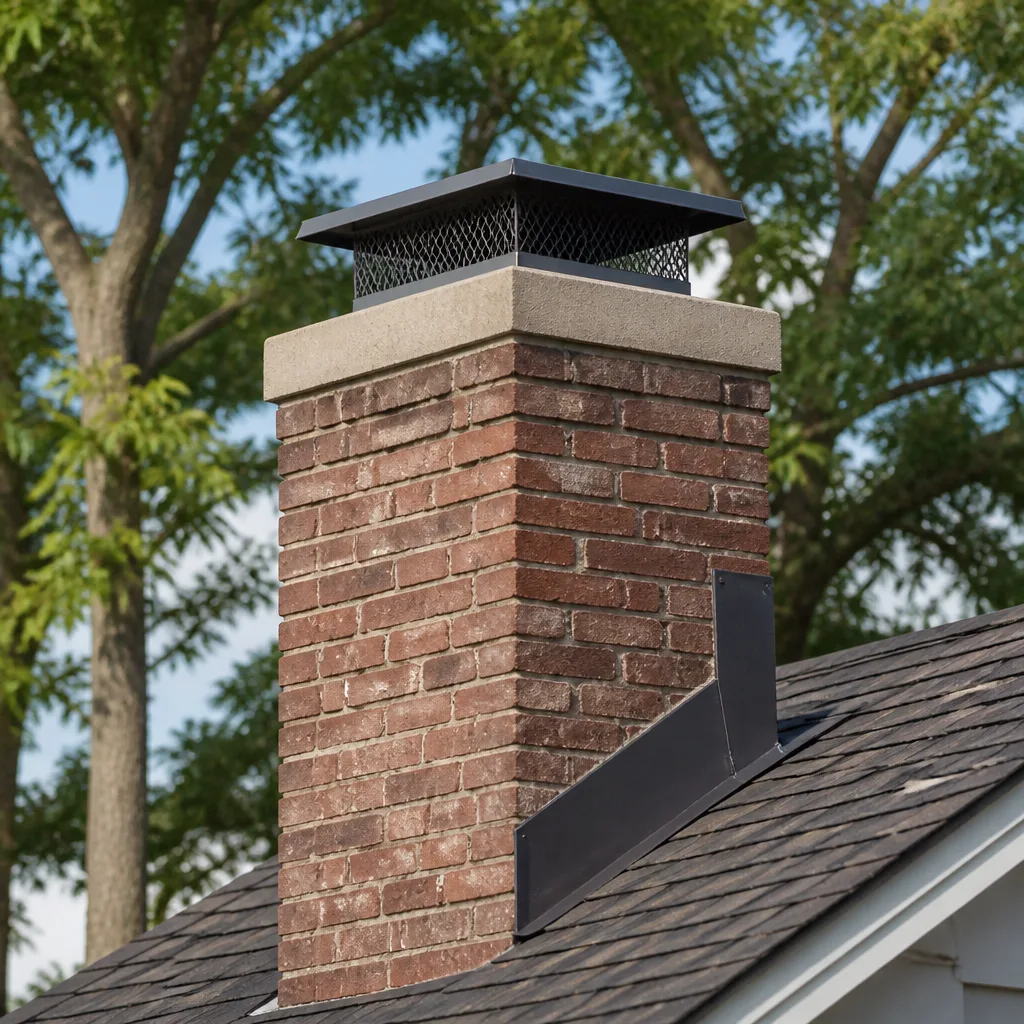 Caps & crowns
 Flue relining
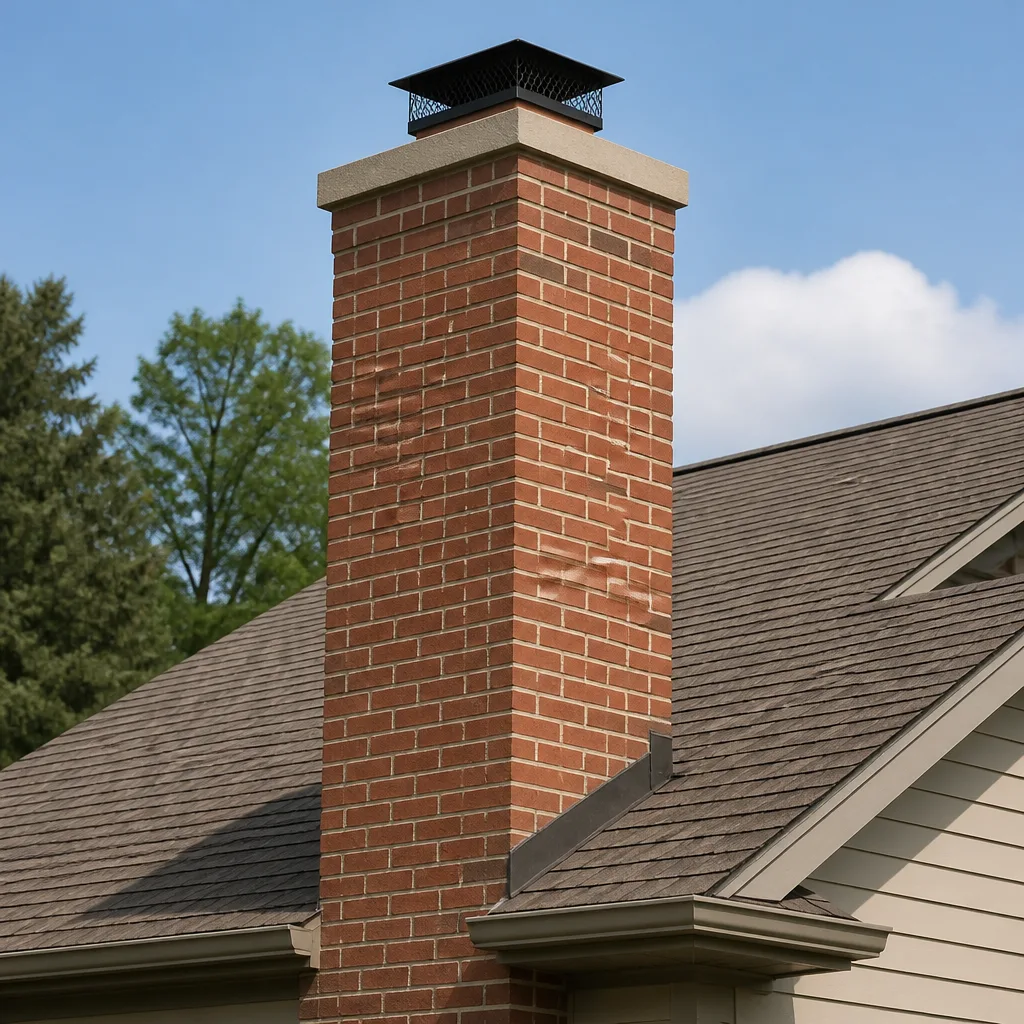 Masonry repair
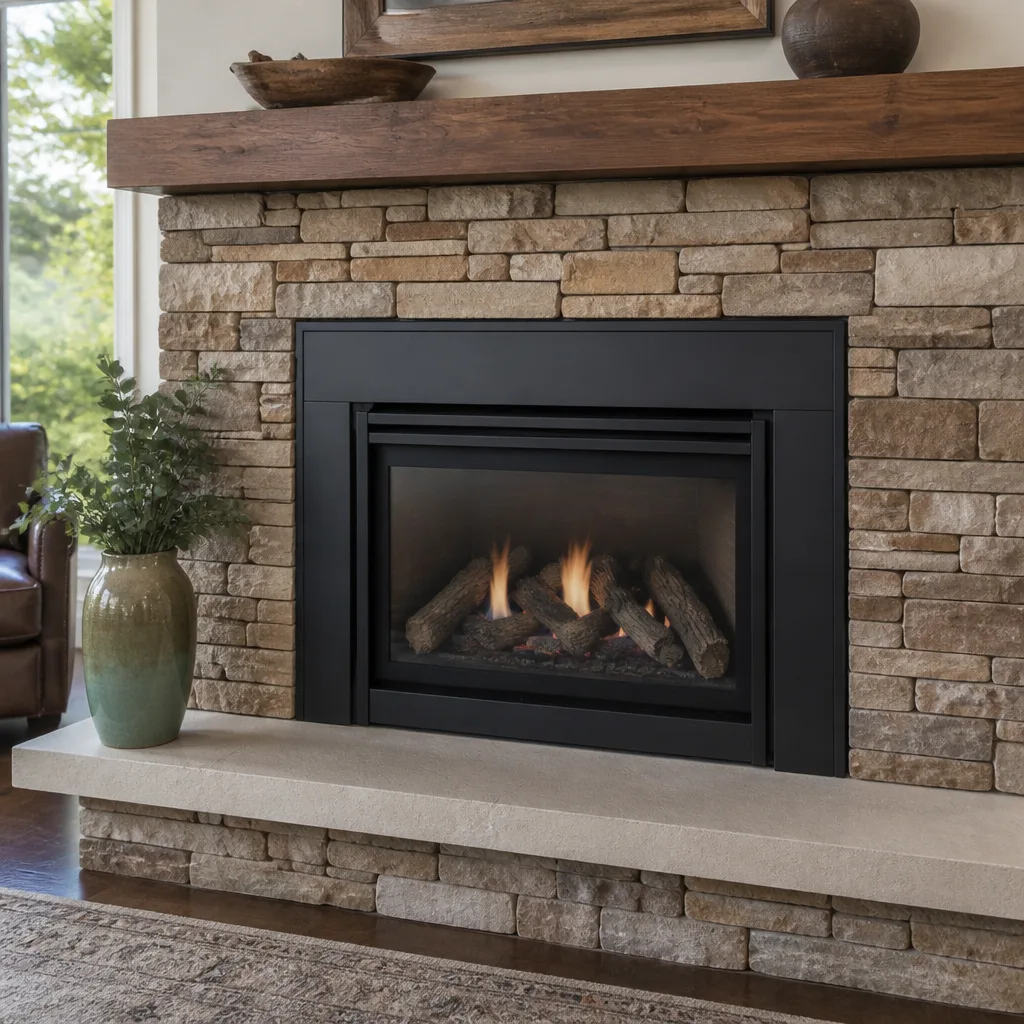 Gas fireplace service
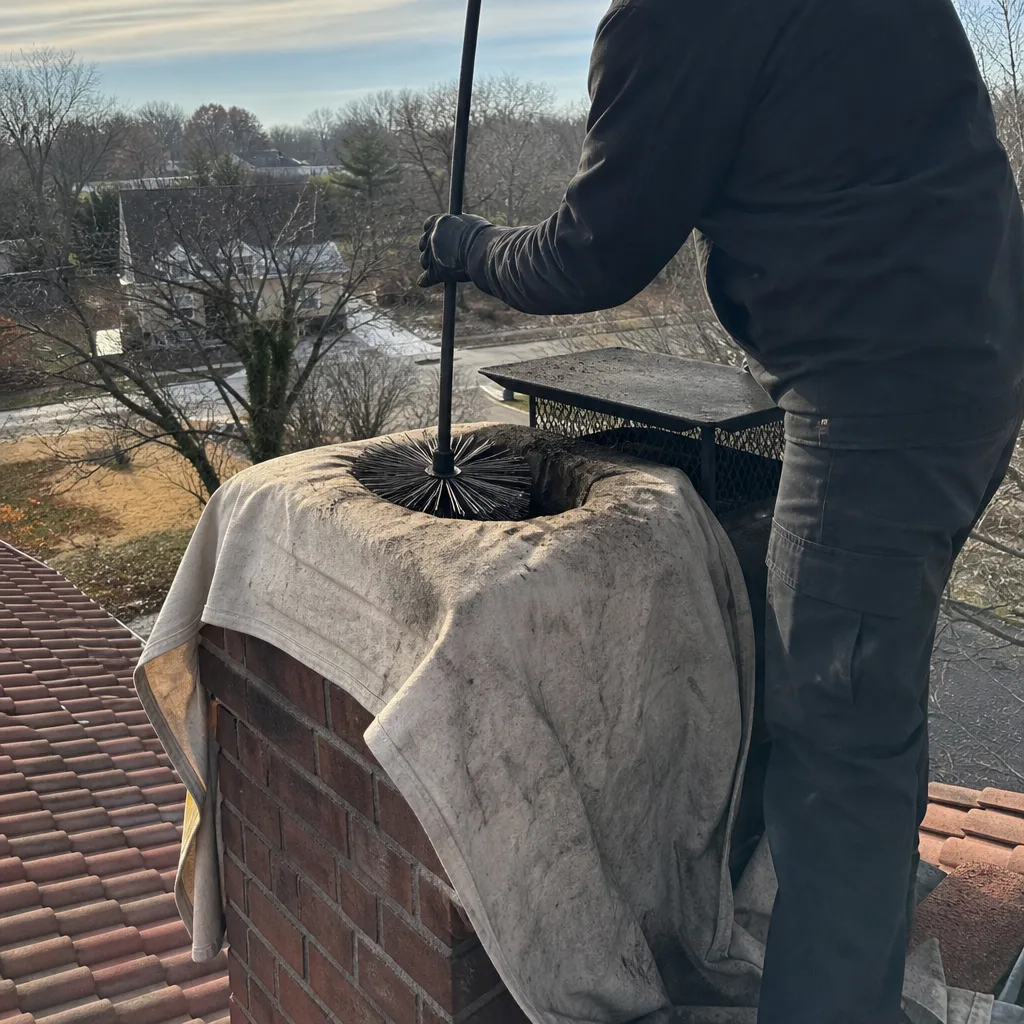
Level 1 sweep and inspection to the NFPA 211 annual standard - flue, crown, cap, and flashing checked and photographed
Chimney sweep logs do not sweep chimneys. They loosen some creosote - which then falls where a brush and vacuum still have to collect it.
Chimney Sweep Maintenance Schedule: What to Do and When
Most homeowners treat a chimney sweep like an oil change: once a year, same time every year, and everything’s fine. That’s a reasonable floor, but it’s not a schedule. The truth is that a wood-burning fireplace used heavily through a cold Nashville winter, a gas insert that runs a few evenings a month, and a 1960s brick chimney with original clay tile all need different attention at different intervals. NFPA 211 gives you the baseline “at least once a year,” and it’s the minimum standard, not a prescription for your specific chimney. What follows is a practical, season-by-season schedule built around how people in Nashville actually heat their homes, with the triggers that tell you to move a task up and the signs that mean it can safely wait.
Quick Answer
A chimney should be inspected and swept at least once a year, and the right schedule depends on fuel type and usage: wood-burning fireplaces used regularly need a sweep once creosote reaches about 1/8 inch, often mid-season, while gas inserts need an annual inspection even though they produce no creosote. In Nashville, add a post-storm checklist after high-wind events in spring, and document your chimney’s condition every year so you can spot deterioration before it turns into a structural repair.
Styles & brands we work with
- Sweep & inspection
- Caps & crowns
- Flue relining
- Masonry repair
- Gas fireplace service
Table of Contents
- Why One Annual Sweep Is the Floor, Not the Ceiling
- The Usage-Based Inspection Matrix: What Triggers a Check vs. What Can Wait
- Gas Fireplace Chimneys Still Need Annual Inspections: Here’s What They Produce
- The Post-Storm Checklist for Nashville High-Wind Events
- Month-by-Month: What You Can Do Yourself vs. What Needs a Technician
- How to Document Your Chimney Year-Over-Year
- The Dryer Vent Schedule Most Homeowners Forget
- When to Call a Professional
Why One Annual Sweep Is the Floor, Not the Ceiling
NFPA 211, the national standard for chimneys, fireplaces, vents and solid fuel-burning appliances, calls for chimneys to be inspected at least once a year and cleaned as needed. That language matters. “As needed” is doing the real work in that sentence, because a chimney that sees forty fires a season produces far more creosote than one that sees five. The annual sweep is a reminder that somebody should look, not a warranty that a once-a-year cleaning will always be enough.
Creosote is the reason. When wood burns, the smoke carries unburned gases and particles up the flue, and some of that condenses on the cooler walls of the chimney. It starts as a thin, sooty film, then builds into a crusty layer, and eventually into a glazed, tar-like coating that’s harder to remove and far more combustible. The National Fire Protection Association ties chimney fires to accumulated creosote, and those fires often burn hot enough to damage the flue without the homeowner ever knowing it happened.
What changes your schedule
- Fuel type: Wood produces creosote; gas does not, but gas has its own risks we’ll get to.
- Usage frequency: A fireplace used weekly through winter accumulates far faster than one used on holidays.
- Chimney age and condition: Older brick chimneys with unlined or deteriorating flues have less margin for error.
- Wood quality: Seasoned, dry wood burns cleaner than green or “punky” wood, which produces more smoke and more buildup.
- Draft and geometry: A short or oddly shaped flue draws poorly, which means cooler smoke and more condensation.
If any of those factors puts you on the high side of the range, an annual sweep alone may not cut it. That’s why the rest of this guide builds a schedule around how you actually burn, not just what the calendar says.
The Usage-Based Inspection Matrix: What Triggers a Check vs. What Can Wait
Here’s the central idea: not every concern is a “call today” concern, and treating them all the same either wastes money or creates risk. The matrix below separates the triggers that warrant a mid-season inspection from the ones that can reasonably wait for the annual sweep. When in doubt, a mid-season check is the safer call, but these categories help you decide how urgently to act.
Triggers for a mid-season inspection
- You’ve burned more than a cord of wood since your last sweep, or you’re burning most nights.
- You can see or feel a crusty layer of creosote on the firebox walls or the damper.
- Smoke rolls back into the room instead of going up the flue.
- You notice a strong, sour, campfire-like smell in the house on mild days or when the fireplace is off.
- There’s a black, sooty stain on the chimney’s exterior or around the firebox opening.
- You’ve had a chimney fire, even a small one you think you put out quickly.
- A visible crack appeared in the firebox, damper, or flue tile.
Conditions that can wait for the annual sweep
- Light, routine use (a handful of fires a month) with no visible buildup.
- A firebox that looks clean and a damper that opens and closes smoothly.
- A chimney with a properly fitted cap that’s still intact after a visual check from the ground.
- Slight soot on the firebox walls that brushes off easily.
In our experience, the most common reason a chimney goes from “fine” to “needs a real repair” is simply that nobody looked in between the annual visits. A mid-season check catches a developing problem while it’s still small. For a baseline professional inspection, a routine chimney sweep gives you a clear picture of where your flue stands before the burning season gets serious.
Gas Fireplace Chimneys Still Need Annual Inspections: Here’s What They Produce
Gas fireplaces don’t produce creosote, so the logic goes, they don’t need sweeping. That’s the misconception. Gas logs, inserts and vented gas fireplaces don’t create creosote, but they do produce condensation, and that moisture is the problem. The byproducts of gas combustion include water vapor, and when that vapor condenses inside a chimney, it combines with other combustion gases to form an acidic residue that can attack masonry, mortar and metal flue components over time.
There’s a second reason annual inspection matters for gas: carbon monoxide. A gas appliance that vents correctly is safe; one with a partially blocked flue, a damaged vent connector or a cracked heat exchanger path can spill carbon monoxide into the home. You cannot see or smell CO. The only reliable defense is a professional inspection that checks the vent system and a working CO alarm on every level of the home.
What a gas fireplace inspection covers
- The vent connection and flue path for blockages, including bird and animal nests.
- Signs of condensation damage, corrosion or spalling inside the flue.
- The firebox, logs and burners for debris, improper placement or flame pattern problems.
- Proper termination and cap condition at the top of the chimney.
- The appliance itself for signs of incomplete combustion.
Gas is a case where the schedule is truly annual, every year, no exceptions based on usage. A gas fireplace used twice a year quietly produces condensation twice a year, and corrosion doesn’t wait for a heavy season. If you’ve moved into a home with a gas insert and don’t know its history, book an inspection before you rely on it. The same CO risk applies to a gas-fired furnace or water heater sharing a masonry chimney, which is one more reason the vent system deserves a look rather than an assumption.
The Post-Storm Checklist for Nashville High-Wind Events
Middle Tennessee’s spring storm season is a real schedule disruptor. High winds, straight-line gusts and the occasional tornado watch are all part of living in the Nashville area, and chimneys are exposed to every bit of it. A wind event doesn’t usually split a chimney in half, but it can dislodge a loose cap, shift a set of clay tiles, drop a limb on the crown, or crack the masonry joints. Run this checklist after any significant high-wind event, and call for professional follow-up if anything looks off.
The external check (safe from the ground)
- Look at the chimney from across the yard. Is it leaning or separated from the house at the roofline? A visible lean means stop and call a professional.
- Check the chimney cap. Is it still seated, or is it tilted, missing or sitting crooked? A loose cap lets water and animals in.
- Look for fresh cracks in the crown, the concrete or mortar cap at the top of the chimney.
- Scan the brick and mortar joints for new gaps, crumbled mortar or pieces of brick on the ground.
- Check the flashing, the metal sealing the chimney where it meets the roof. A lifted or torn flashing piece means water will get in.
- Look at nearby tree limbs. A branch touching or hanging over the chimney is a future problem that can be trimmed before it does damage.
The internal check (from inside)
- Open the damper and shine a flashlight up the flue. Look for daylight where it shouldn’t be, and for any damaged flue tile.
- Check the firebox for new cracks in the brick or mortar. Ignore hairline surface cracks; report cracks that are wider or deep.
- Run a small test fire and watch the draft. If smoke backs up where it didn’t before, the flue is probably obstructed.
- Smell for the sour creosote odor that can indicate a blockage or nesting material.
Do not climb onto your roof to inspect the chimney yourself after a storm. A wet, damaged roof is a fall risk, and chimney work is one of those jobs a trained person should handle. The roof itself can also mask damage you can’t see from the ground. When a storm’s passed and you’d rather have a professional look, a Nashville chimney specialist can inspect the flue, cap and crown and tell you honestly whether anything needs repair or can safely wait.
Month-by-Month: What You Can Do Yourself vs. What Needs a Technician
The calendar below is built around a typical Nashville year: hot, humid summers, mild shoulder seasons, and a real heating season from late fall into early spring. The point isn’t to turn chimney care into a hobby; it’s to spread out the tasks so nothing piles up and so you know which ones you can handle and which require a professional.
What you can do yourself
- Late winter / early spring: Schedule your annual inspection after the burning season ends, when the waiting list is shorter and a problem has time to be fixed before fall.
- Spring: Do a ground-level visual check after storms. Clear ash from the firebox, and keep the hearth and mantel clear.
- Summer: Check that your smoke and CO alarms work, replace batteries, and confirm your chimney cap is intact before the first fall rain.
- Early fall: Test the draft with a small fire, confirm the damper opens fully, and schedule your sweep and dryer vent cleaning before the rush.
- All year: Keep wood covered and dry. Burn only seasoned wood, never trash, cardboard or treated lumber.
What requires a credentialed technician
- Spring: Professional inspection after the season, including the flue interior.
- Summer: Any repair work, since this is when a full inspection and needed fixes can happen without pressure.
- Fall: The annual sweep itself, and any relining or resurfacing the inspection calls for.
- Anytime: Anything involving masonry, flue tile, the cap or a damaged crown. Structural work is not a homeowner job.
Burning-season reviews are the busiest window for any chimney specialist, so the owners who get on the schedule early in the fall have more room for improvement if the inspection finds something. A quick note on the DIY column: light firebox cleaning and alarm checks are safe; climbing the roof, reaching into the flue or working on masonry are not. For a deep clean of the flue itself, that’s a job for a professional sweep done correctly.
How to Document Your Chimney Year-Over-Year
A single inspection tells you what condition your chimney is in today. A record of inspections tells you which direction it’s moving. That difference is what separates a chimney that gets repaired at the right time from one that gets an expensive surprise. Deterioration is usually slow, a crack that widens a little each season, mortar that softens over a few winters, a crown that chips away a bit at a time. If you capture that information each year, you can see the trend, and trends let you plan repairs instead of reacting to failures.
What to record each year
- The date of the inspection and who performed it.
- How much creosote was found, and where in the flue it accumulated.
- The condition of the flue tiles: any cracks, spalling or missing pieces.
- The condition of the firebox, damper and smoke chamber.
- The condition of the crown, cap, flashing and exterior masonry.
- Photos from each inspection, ideally from the same angles, so you can compare.
- Any repair recommended, and whether it was done or planned for later.
You don’t need a fancy system. A simple folder, a notebook or a phone album with dates on the photos will do. The value is that the next time a technician recommends work, you can pull out last year’s notes and compare. In our experience, homeowners who keep records make better repair decisions faster because they can see exactly what’s changed and what hasn’t. When a professional inspects your chimney, ask for a written summary and photos of what they found. That documentation protects you if a future issue comes up and gives you a real baseline.
The Dryer Vent Schedule Most Homeowners Forget
Your dryer vent runs the same basic risk as a chimney: lint is a highly combustible material that accumulates in a hidden vent path, and when it builds up and the dryer runs hot, a fire can start. That’s why dryer vent cleaning is fire safety, not a housekeeping chore, and why it belongs on the same schedule you use for the chimney. The U.S. Fire Administration ties thousands of home fires to dryers every year, and the leading cause is failure to clean the vent. If you’ve never had yours looked at, or it’s been several years, that’s a task to move up.
A practical dryer vent cadence
- Every load: Clean the lint trap.
- Every few months: Vacuum the lint trap housing and check the exterior vent flap is free and clean.
- Once a year for most homes: A professional cleaning, more often if you have a large household or a long vent run with several bends.
- After moving in: Always have the dryer vent inspected, since you don’t know its history.
Warning signs that mean don’t wait: clothes take longer than one cycle to dry, the dryer feels hot to the touch or the top of the dryer is warm, the outside vent flap doesn’t open when the dryer runs, or you smell something burning. A dryer vent cleaning visit can also reroute or replace a vent that’s kinked or the wrong material, which is where the same trade knowledge behind chimney venting applies. If you’ve got a dryer in the home and you can’t remember the last cleaning, this is your sign to get it scheduled alongside the chimney inspection.
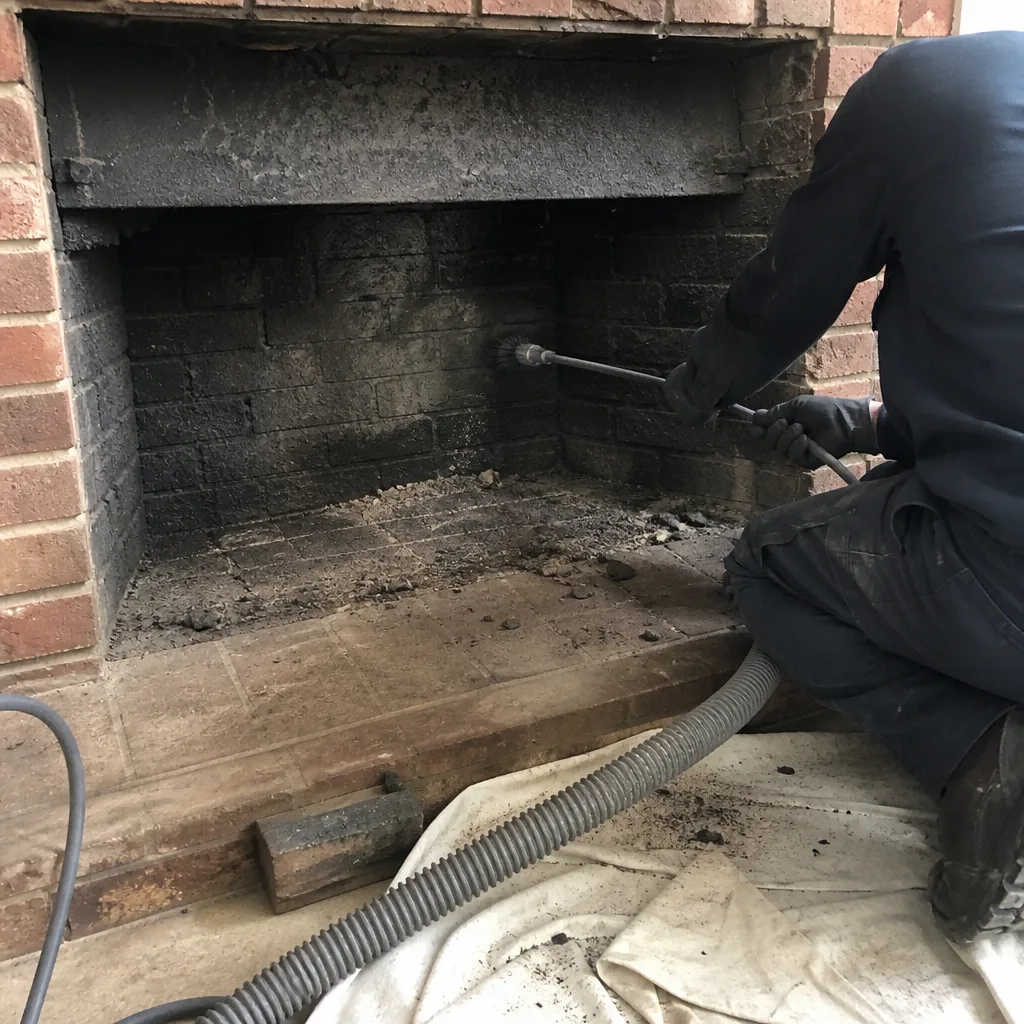
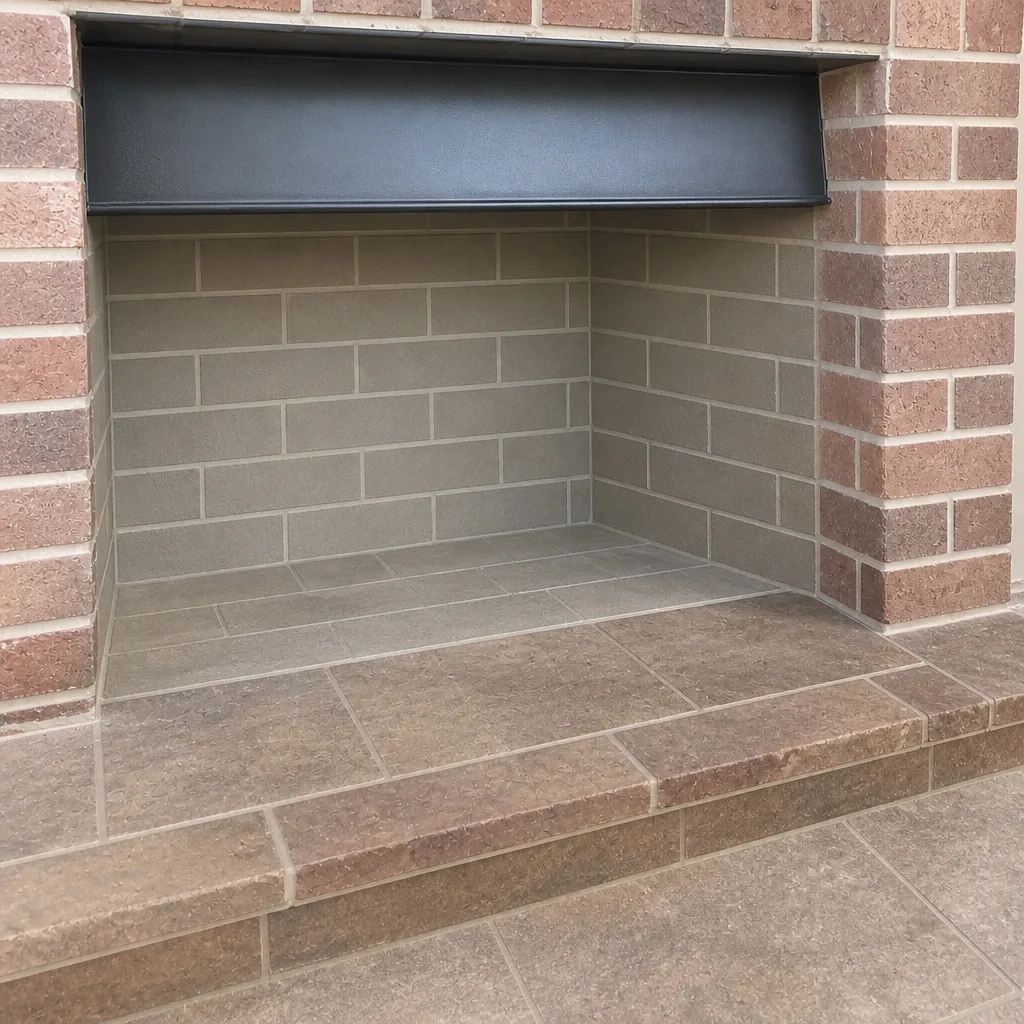
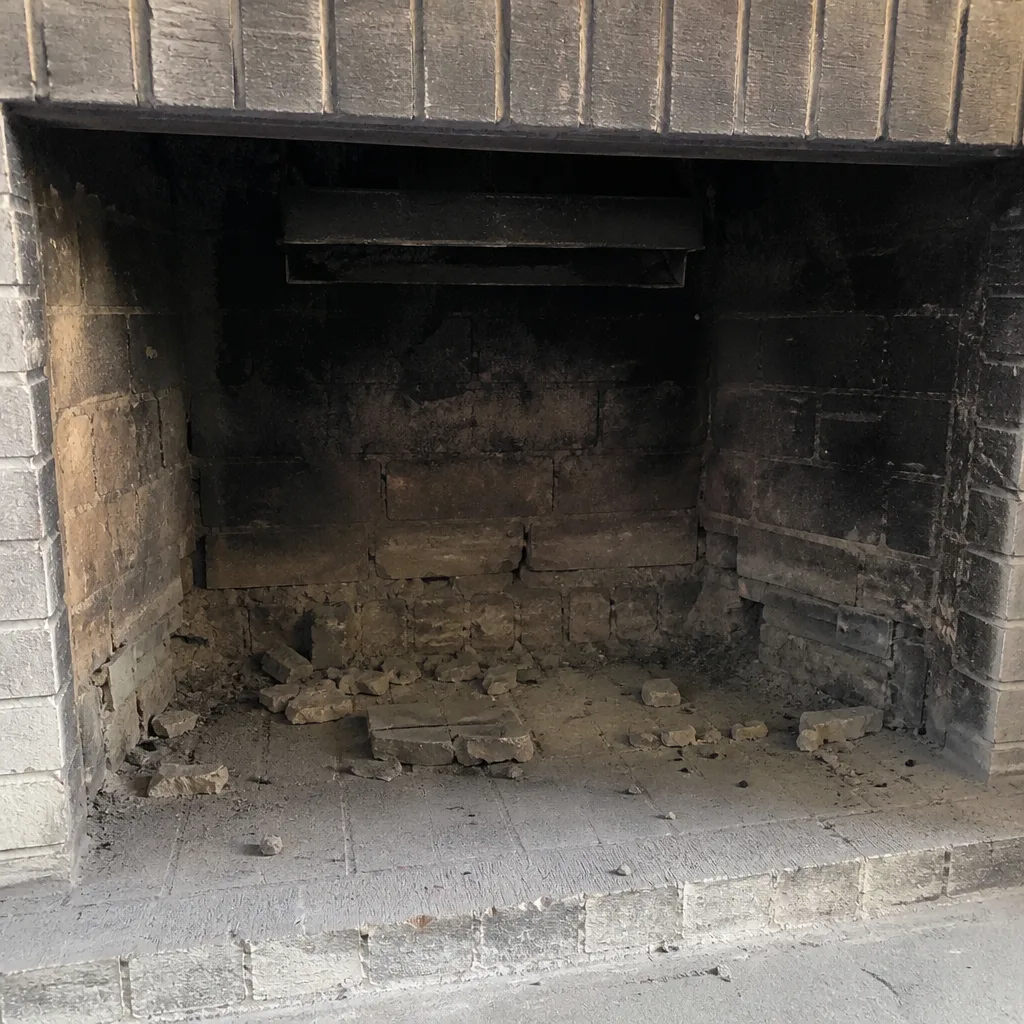
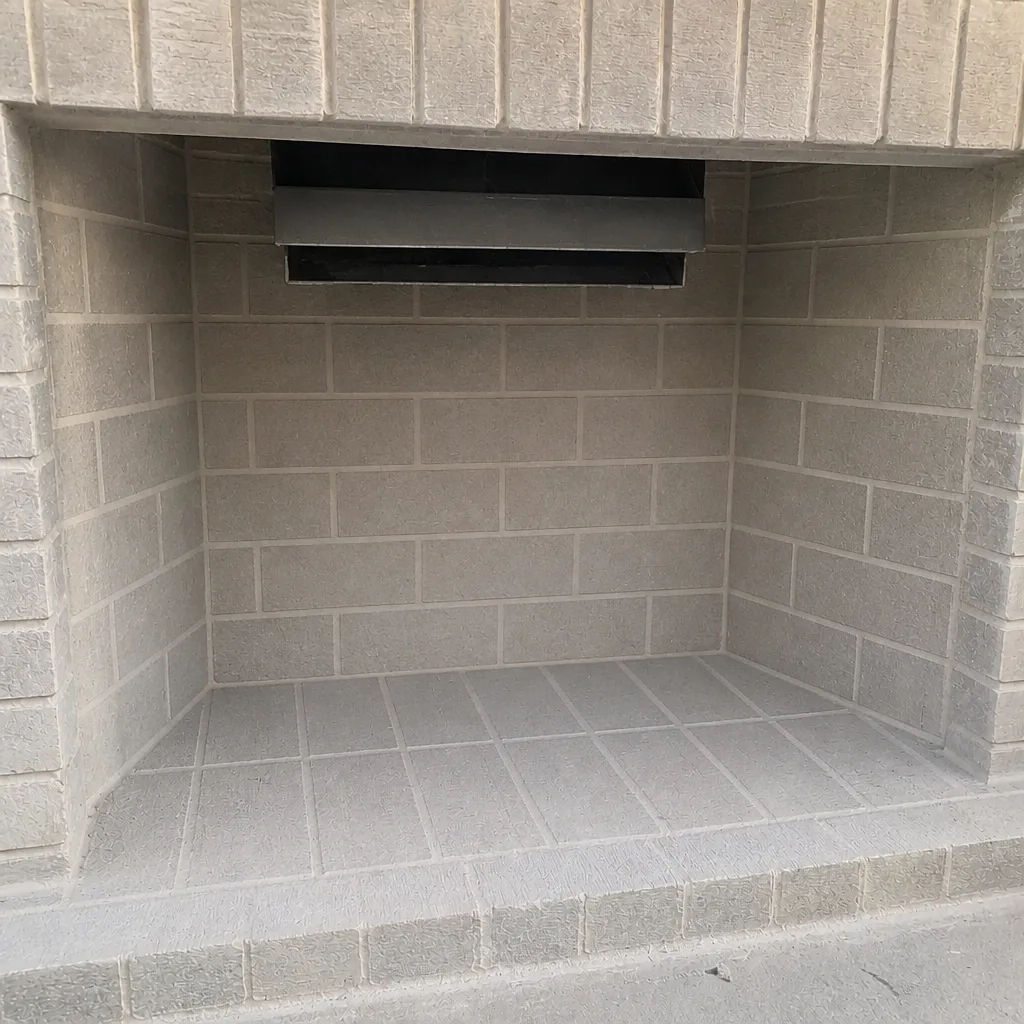
See the difference
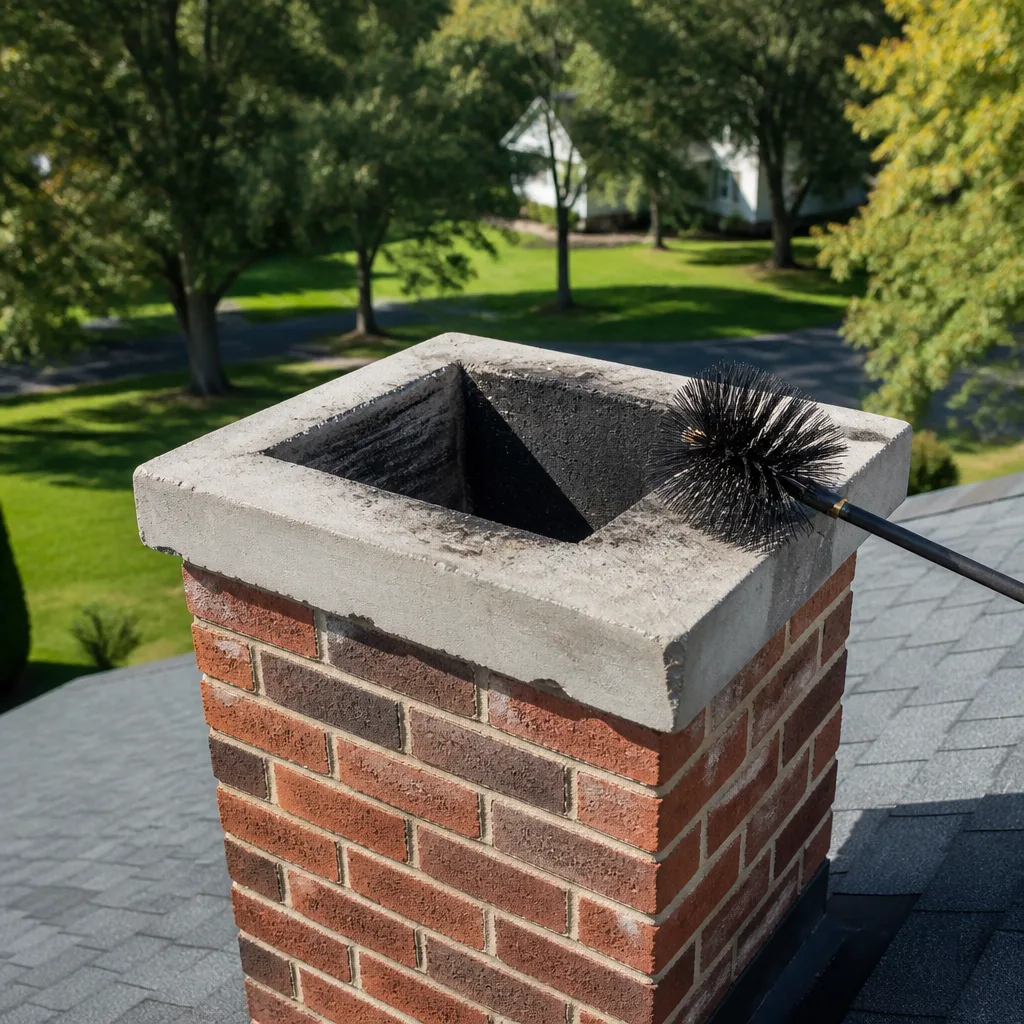
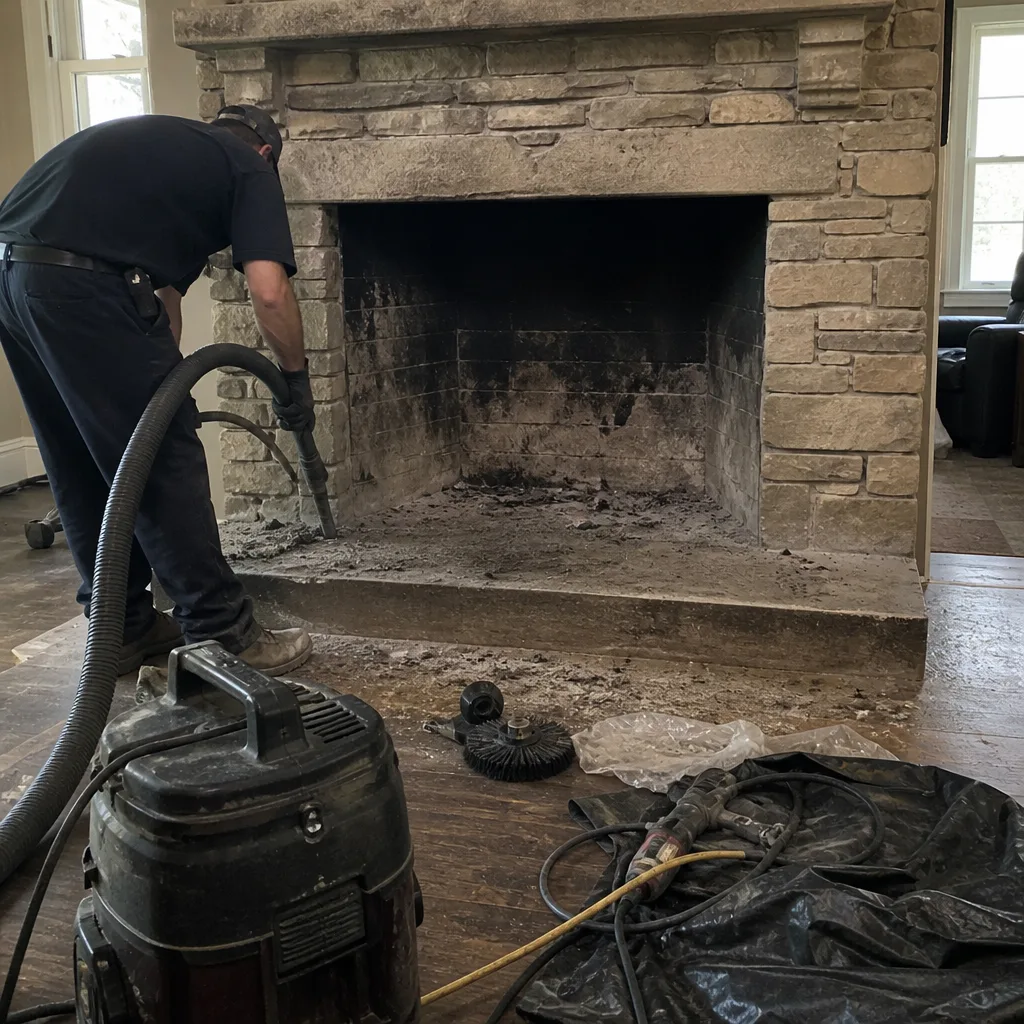 Before
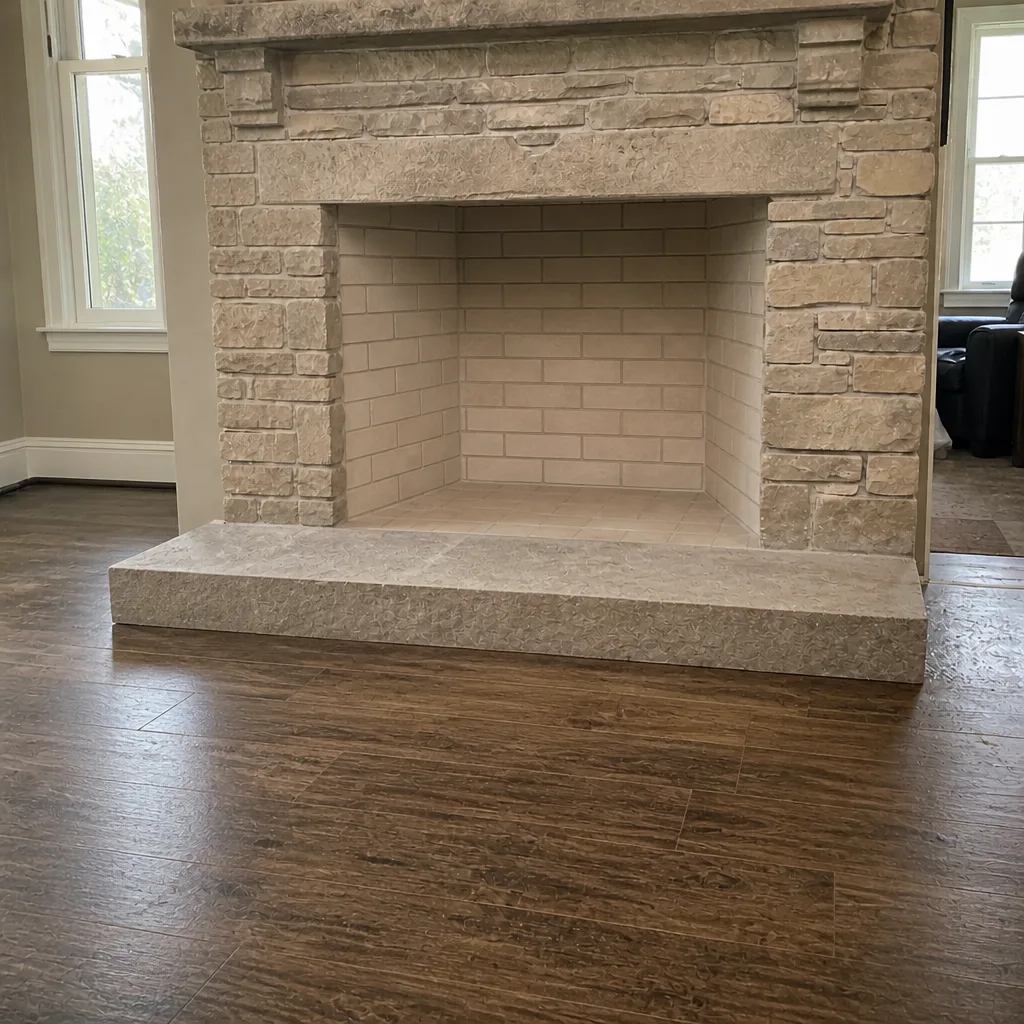 After
 Before
 After
 Before
 After
Common Mistakes to Avoid
- Treating the annual sweep as a guarantee. A yearly visit is the minimum, not a promise. Heavy users who burn most nights often need a mid-season check, and only looking once a year can miss a developing creosote problem.
- Assuming gas fireplaces don’t need inspections. They don’t produce creosote, but they do produce condensation and corrosion potential, plus carbon monoxide risk. Every gas-fired appliance vented through a chimney deserves an annual look.
- Burning green or unseasoned wood. It burns cooler and smokes more, which puts more creosote in your flue than dry, seasoned wood. In Nashville’s humid climate, wood left uncovered can absorb moisture from the air, so store it covered and off the ground.
- Skipping the after-storm check. Spring winds can loosen a cap or crack masonry in a way you can’t see from the couch. A quick ground-level look after a big wind event catches most problems early.
- Putting off dryer vent cleaning indefinitely. Lint buildup is a real fire risk, and it’s easy to forget because it’s hidden. Once a year is reasonable; going years without it is not.
- Ignoring the sour smell in summer. That campfire odor when the fireplace is off often means creosote or nesting material in the flue. It’s a reason to call, not just a nuisance.
- Not documenting anything. If you can’t remember what your last inspection found, you can’t tell whether something is getting worse. A simple annual record prevents surprise repairs.
When to Call a Professional
Some situations call for a professional right away rather than a wait for the annual sweep. Call if you’ve had any chimney fire, even one you think burned out on its own; if smoke backs into the room; if you see a crack in the firebox, flue tile or the exterior masonry; if a piece of the chimney cap or crown is loose or missing; if you smell a strong creosote odor when the fireplace is off; if the chimney leans or separates from the house; or if you’ve moved into a home and don’t know the last inspection date. For a gas appliance, any CO alarm activation is an immediate call to your gas utility first, then a venting professional. The same judgment applies to a dryer vent that runs hot or won’t clear. Nashville Chimney Cleaning offers free estimates in Nashville, and the schedule is straightforward: call (844) 405-8628. We answer 24/7. Fast dispatch from 7am to 7pm, Sunday through Friday.
Frequently Asked Questions
At least once a year, and more often for heavy use. The NFPA 211 standard sets an annual inspection as the floor, but a wood-burning fireplace used most nights through winter can accumulate enough creosote for a mid-season sweep. If you can see a crusty layer or more than about 1/8 inch of buildup, it’s time to sweep regardless of the calendar. Call (844) 405-8628 for an inspection and a straight answer on your chimney.
Yes, every year. Gas doesn’t produce creosote, so there’s nothing to “sweep,” but combustion produces water vapor and acidic condensation that can damage masonry and vent components over time. More importantly, a damaged or blocked vent can let carbon monoxide into the home. An annual inspection checks the vent path and appliance, and a working CO alarm on every level backs it up. Call (844) 405-8628 to get your gas fireplace on the schedule.
Price depends on the job: a straightforward wood-burning sweep, a gas appliance inspection, a dryer vent cleaning, and structural repair are all different scopes of work. We don’t quote a one-size price over the phone because the right number depends on what’s actually in your flue. The estimate is free and the price is set per job by a written estimate before any work begins. Call (844) 405-8628 for an exact quote.
Some of it, yes. Cleaning the firebox, clearing ash, checking smoke and CO alarms, confirming the damper opens, and doing a ground-level visual check after storms are all reasonable homeowner tasks. Sweeping the flue, inspecting the flue interior, and any masonry, flue tile or cap repair are not, because they involve roof access and hazards a trained technician is equipped for. Leave the structural work to a professional. Call (844) 405-8628 when you’re ready.
Creosote keeps building, slowly and out of sight, and the fire risk rises with it. Gas chimneys can accumulate condensation damage, and a blocked or damaged flue can spill carbon monoxide. In Nashville, skipped inspections are also how small cracks and cap damage go unnoticed until they become full repairs. The cost of an annual inspection is a fraction of a reline or rebuild. Call (844) 405-8628 to schedule yours.
After the burning season ends and before the fall rush. Late winter or early spring is ideal because a problem has time to be fixed before the next heating season, and summer is the best window for any repair work the inspection recommends. If you wait until the first cold snap in the fall, you’re competing with everyone else. Call (844) 405-8628 to get on the schedule early.
The Bottom Line
The annual sweep is the floor, not the ceiling. Your real schedule depends on fuel type, how often you burn, and the age of your chimney, and the homeowners who get the most years out of a chimney are the ones who adjust their cadence rather than treating every chimney the same. In Nashville, that means an annual inspection, a mid-season check if you burn heavily, an annual gas inspection even with no creosote, a post-storm visual in spring, and a dryer vent cleaning once a year. Document what you find each year, and you’ll spot problems while they’re small. Our technicians have up to 9 years of experience, and we work with the same professional-grade materials trusted across the industry, including HeatShield ceramic resurfacing and DuraFlex flexible liner systems.
If it’s been a while or you’re just getting started, don’t wait for a problem to force the issue. Call (844) 405-8628 for a free estimate. We answer 24/7, and fast dispatch runs from 7am to 7pm, Sunday through Friday. You can also start with a dryer vent cleaning alongside your chimney inspection, and see the full scope of what we handle on our Nashville Chimney Cleaning home page.
Written by the team at Nashville Chimney Cleaning.