
Last updated November 14, 2026
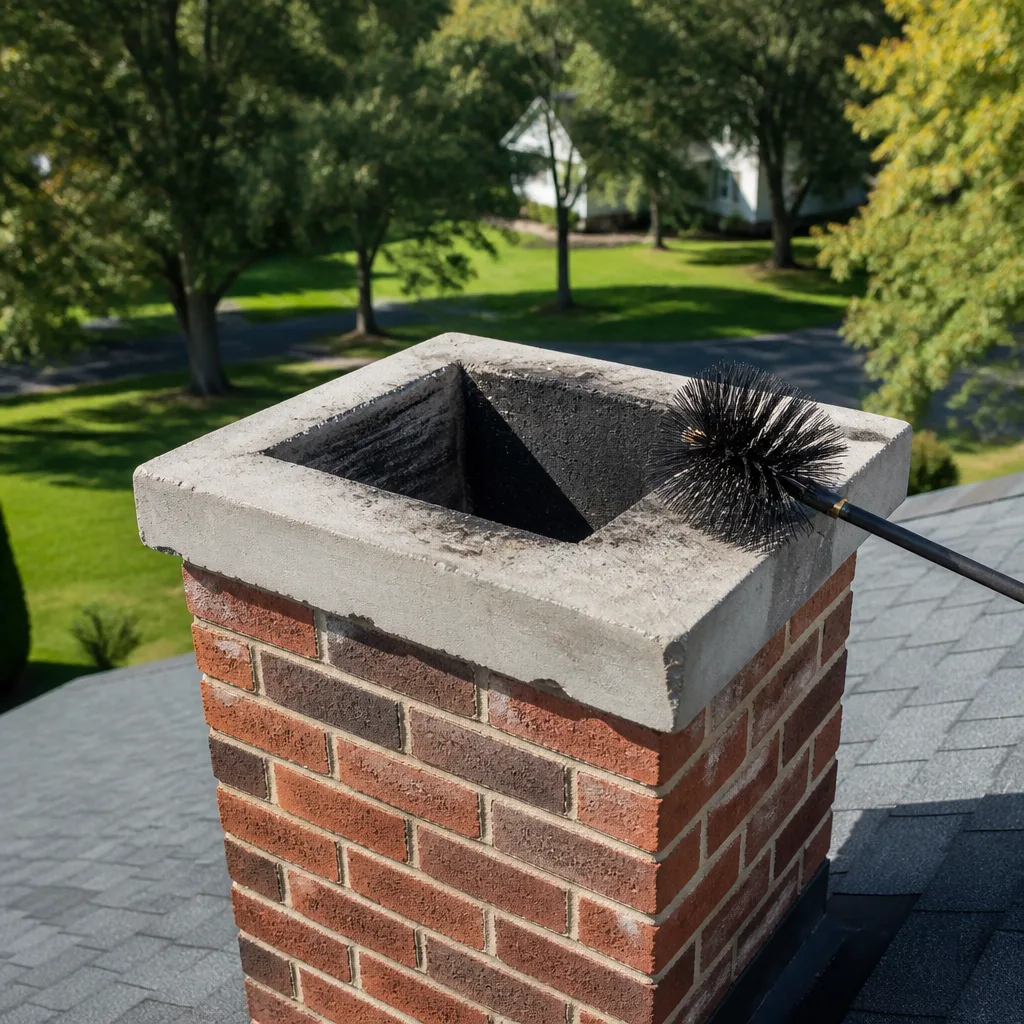 Sweep & inspection
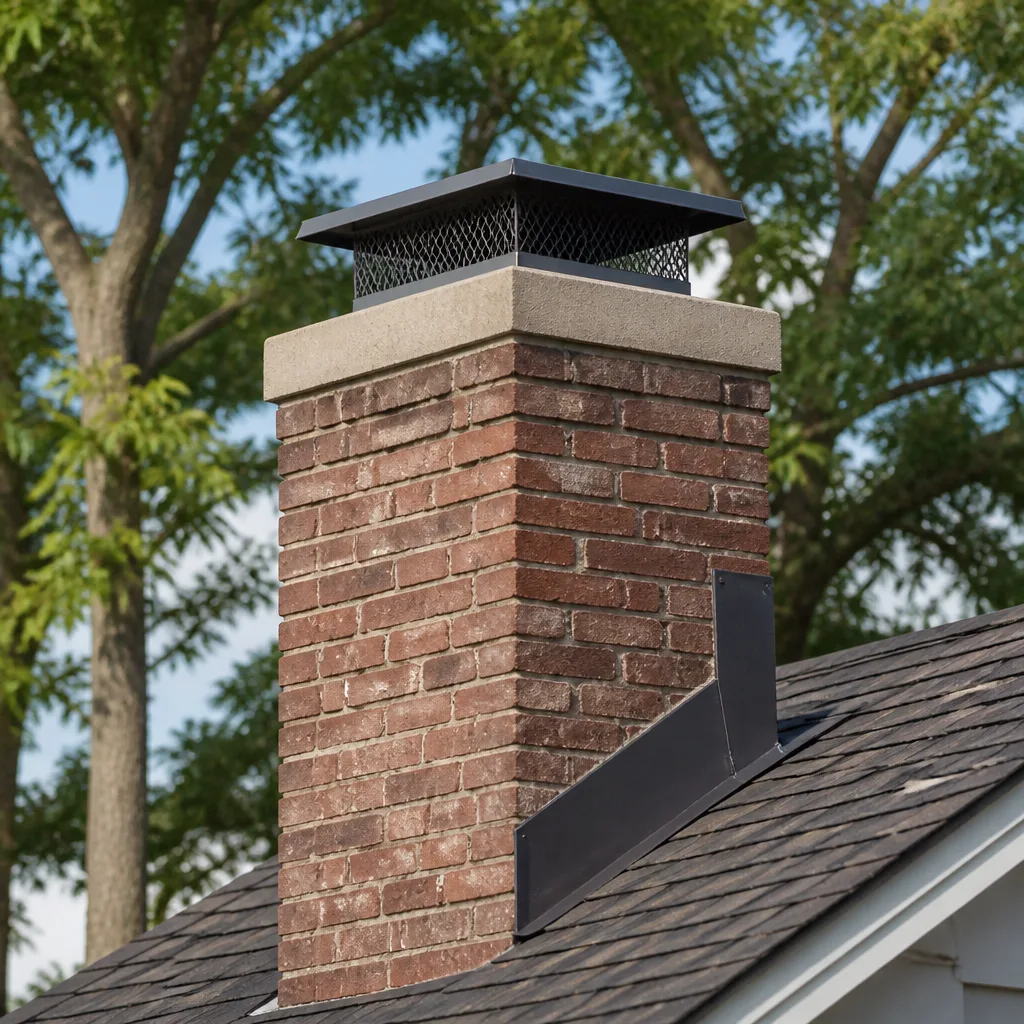 Caps & crowns
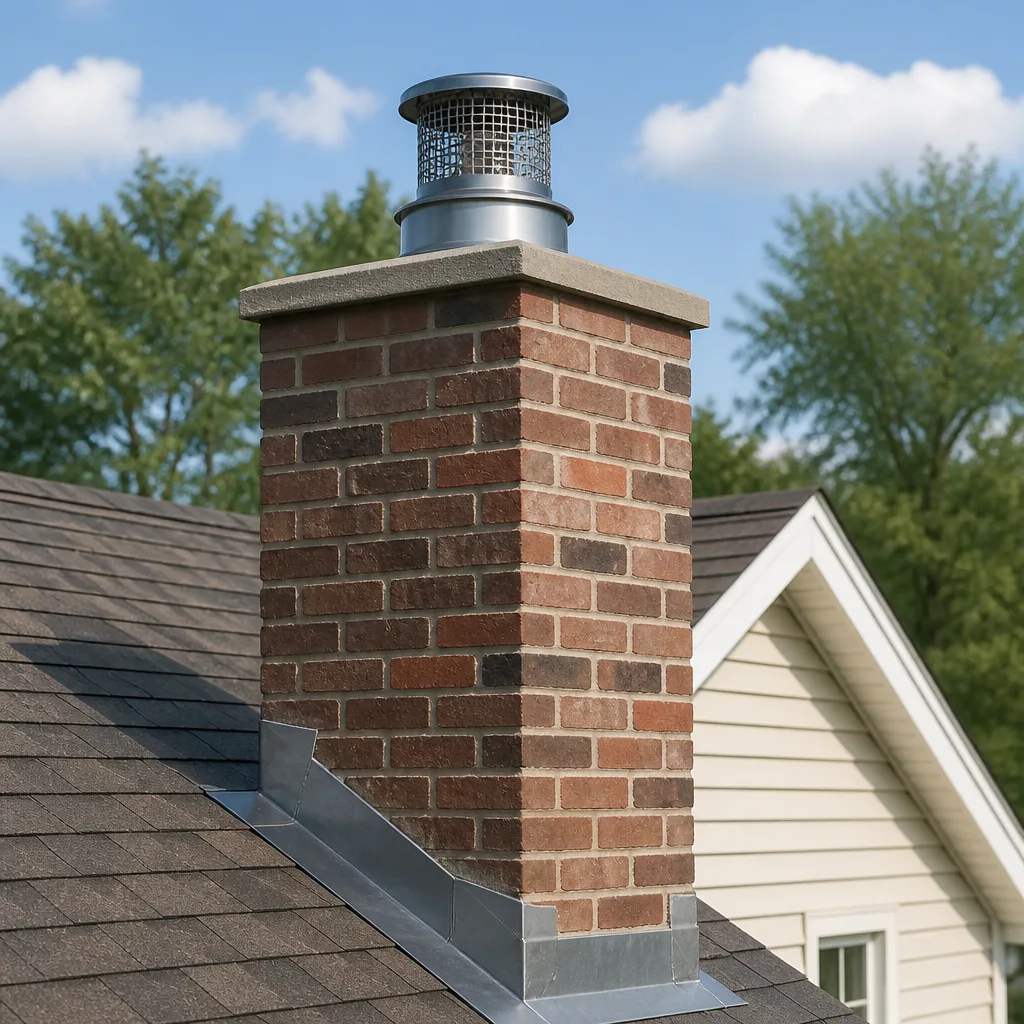 Flue relining
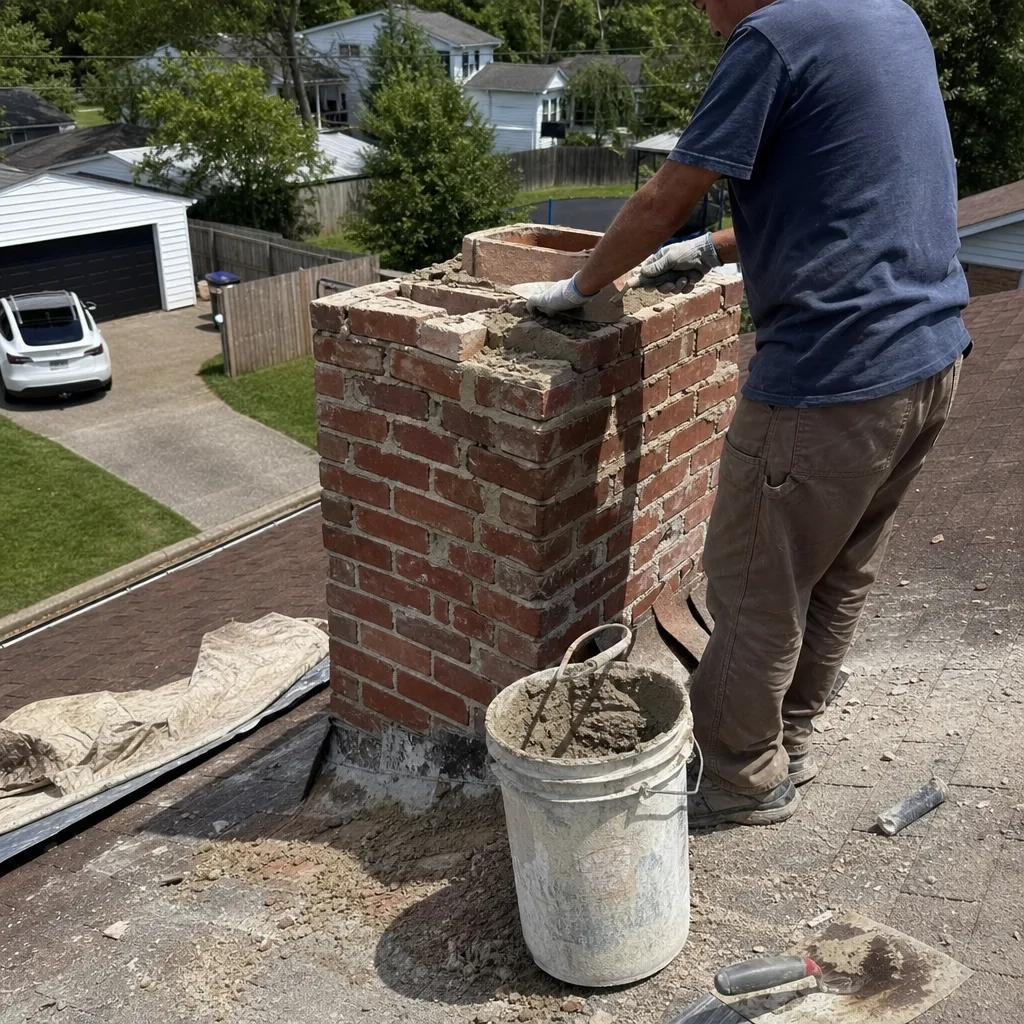
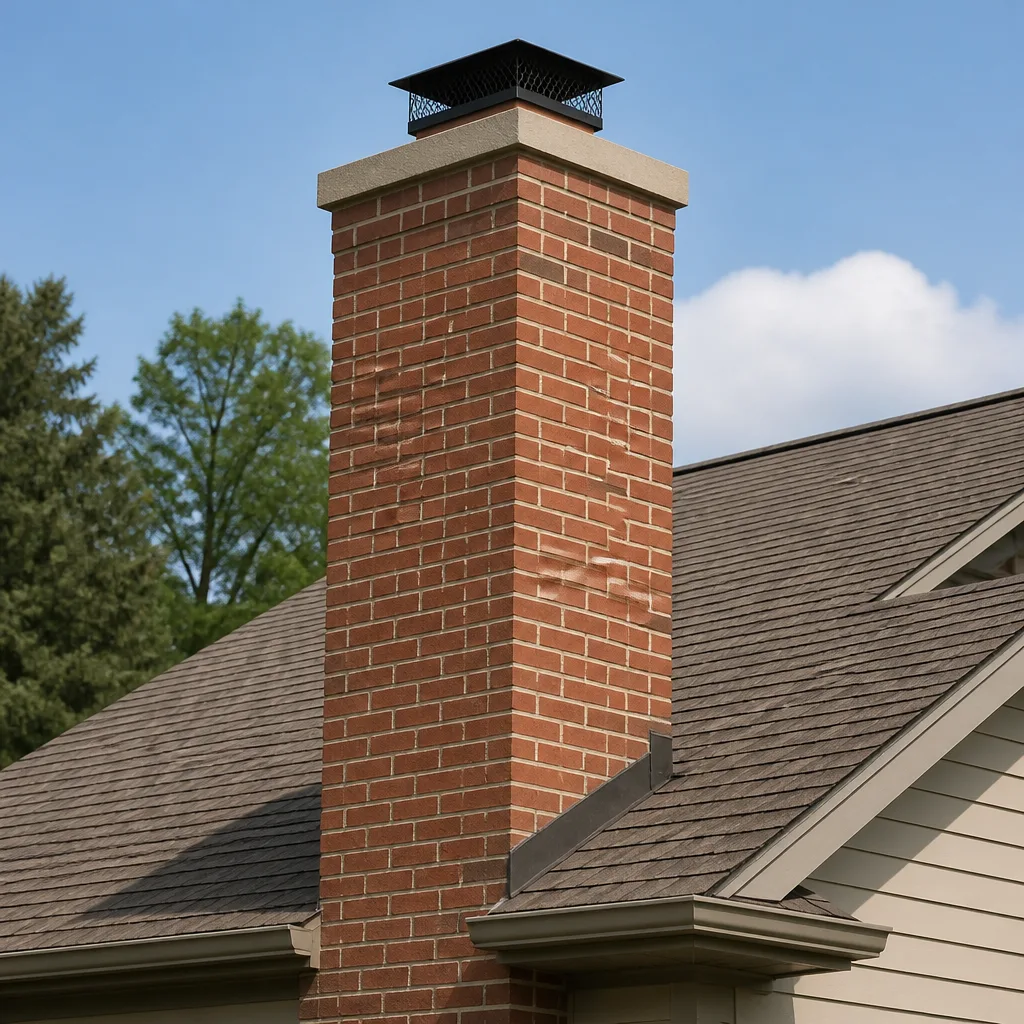 Masonry repair
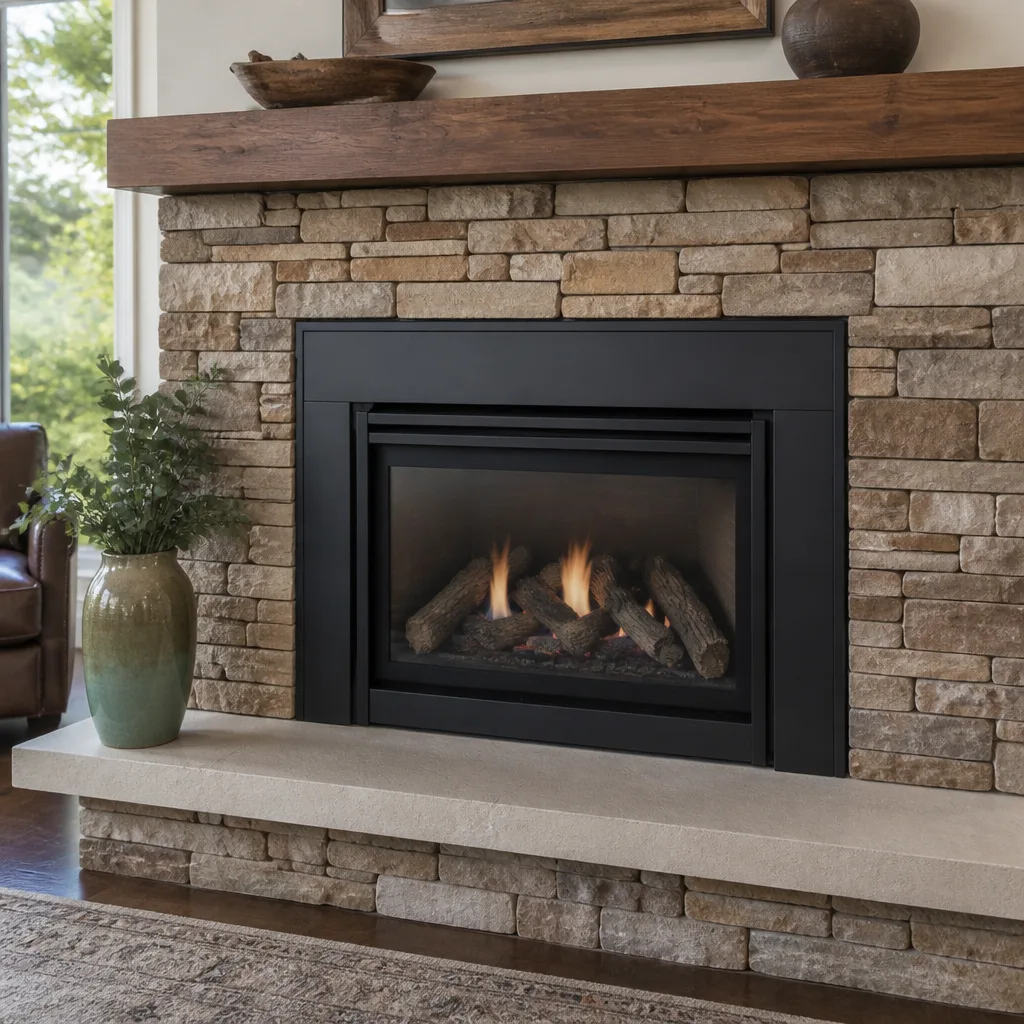 Gas fireplace service
Level 1 sweep and inspection to the NFPA 211 annual standard - flue, crown, cap, and flashing checked and photographed
Chimney sweep logs do not sweep chimneys. They loosen some creosote - which then falls where a brush and vacuum still have to collect it.
Choosing the Right Chimney Cleaning Brand: A Buyer’s Guide for Nashville
The chimney cap on your roof looks about the same no matter who installs it. That sameness is the point of this guide, and also the problem. Brand and material specification rarely show up in the estimate, yet they decide how long the part lasts and whether it holds up under heat stress. In Nashville’s humid summers and freezing winter snaps, the gap between a builder-grade stamped cap and a 304 stainless cap is the difference between roughly eight years of service life and a decade-and-a-half of the same job. You’ll learn which product categories actually matter, which names the trade trusts, and exactly how to ask a contractor what they’re putting on your house before you sign anything.
Styles & brands we work with
- Sweep & inspection
- Caps & crowns
- Flue relining
- Masonry repair
- Gas fireplace service
Quick Answer
When chimney professionals talk about brands, they mean the product lines for liners, caps, dampers, sealants, and repair materials, not the company name on the truck. In Nashville, the names worth asking about are DuraFlex for stainless flexible liners, HeatShield for ceramic flue resurfacing, and Copperfield or Famco for caps and venting hardware. A contractor who can name the brand and the specification for each part of your job is working to a professional standard; one who can’t is a risk you’re paying for.
Table of Contents
- Why the brand a contractor uses is a safety question
- The four product categories where specification matters most
- Why the cheapest repair materials fail during high-heat burn cycles
- What Nashville’s climate does to your chimney hardware
- How to ask a contractor what they’re installing (and read the answer)
- How to verify a quote before you authorize work
- What a brand name can’t tell you about the sweep itself
Why the Brand a Contractor Uses Is a Safety Question
The brand name on a product tells you who tested it to what standard, and those standards are not optional extras. A chimney liner is a containment system for combustion gases and the heat of a fire. A cap keeps rain, birds, and sparks where they belong. A top-mount damper is a seal against your living space. Each part is engineered, listed, and tested to hold under temperatures a house would otherwise never see. When a contractor substitutes a retail equivalent, they are stepping outside that testing.
The industry has spent decades building a shared knowledge base of trusted suppliers, which is why the product names professionals use show up repeatedly across CSIA-certified work. That isn’t brand loyalty for its own sake. It’s because those manufacturers ship tested, listed products with documentation and keep them consistent. A generalist working without that grounding has nothing to compare against.
- Liner systems contain heat and gases and must hold their shape through repeated burn cycles.
- Mortar and ceramic repair products protect the flue’s structural integrity when the original mortar has broken down.
- Caps shield the flue from weather and animals and keep embers inside.
- Top-mount dampers seal the flue against air loss when the fireplace isn’t in use.
Every one of those categories has a professional-grade answer and a value-bin answer, and in our experience most homeowners are quoted one or the other without ever being told which. Making sure you’re receiving the tested answer belongs in the same category as checking the fire extinguisher.
The Four Product Categories Where Specification Matters Most
Not every part carries equal weight. These four determine how a Nashville chimney performs, and each one has a specification you can ask about by name.
Liner systems: ask about DuraFlex
Flexible stainless liners are the standard answer for a flue that has lost integrity or was never sized correctly. DuraFlex is a name worth hearing in an estimate because the installer has to specify a particular alloy and gauge for your chimney’s purpose and the appliance it serves. A flexible liner that isn’t correctly sized or listed for the application can still pass a visual inspection and still perform poorly. Ask which liner, which alloy, and whether it’s listed to UL 1777 for the application you have.
Mortar and sealants: ask about HeatShield
HeatShield ceramic resurfacing is a repair-grade product that restores flue integrity without pulling the whole chimney down to pour a full liner. The material is applied to a prepared flue and cures to a hard ceramic finish. Fewer companies offer this because it requires equipment and know-how most generalists don’t carry. In Nashville homes with mid-century chimneys and deteriorated mortar, this can be the difference between a repair and a replacement.
Chimney caps: ask about Copperfield
Caps are where the price gap is widest because they look so similar. A galvanized steel cap will rust through in roughly eight years in Nashville’s humidity. A 304 stainless cap from a professional line such as Copperfield tends to hold substantially longer. Ask what grade of stainless and what thickness, because “stainless” by itself means nothing.
Top-mount dampers and venting hardware: ask about Famco
Famco is a common name for dampers and venting hardware. A top-mount damper seals at the top of the flue rather than inside the firebox, which is often a better fit for older Nashville chimneys with warped or missing throat dampers. The specification to check is the seal, the fit, and that the brand is rated for your flue size.
Why the Cheapest Repair Materials Fail During High-Heat Burn Cycles
The failure point is predictable once you understand how the materials get used. A chimney sits at outdoor temperature most of the time, then the first fire of the season pushes it past a thousand degrees inside the flue. Materials that performed fine at room temperature can crack, flake, or pull away at that first burn. Budget mortars, thin stainless, and retail caps all have one thing in common: they weren’t tested to do the job.
A properly listed liner is tested to withstand continuing high temperature without losing structural integrity. A properly specified cap holds up to UV, rain, and freeze-thaw. When a contractor quotes a generic cap or an unlisted liner, they are betting your house on an untested material. That bet usually sits dormant until the first cold night the fireplace gets lit.
- Ask what the material is rated for. A liner for a wood-burning appliance is not the same as one for gas. The rating must match the appliance.
- Ask whether the liner is listed to UL 1777. Listing means an independent body has tested it to the standard. An unlisted liner is a material you have no independent assurance about.
- Ask to see the product spec sheet. Every professional-grade manufacturer publishes one. A contractor who has it on hand is working to a standard.
- Ask what happened to the last job they did with this product. They can’t share details about a specific customer, which is fine. What you’re listening for is whether they can talk about the product’s field performance at all.
The most expensive part of a failed repair is not the material. It’s the second repair, the lost season, and any water or fire damage that followed. Verifying the specification up front costs a few minutes and a few direct questions.
What Nashville’s Climate Does to Your Chimney Hardware
Nashville’s weather stresses chimney hardware in ways that coastal or dry-climate cities don’t. Our summers are humid enough that a poorly specified cap begins corroding from the inside after a couple of seasons. Our winters deliver hard freezes that work into mortar joints and expand. The cycle of wet and freezing hits the crown, the mortar, and the flue lining repeatedly, every year.
Interior humidity matters too. Middle Tennessee’s summer moisture rises into the flue and coats the interior with condensation, which is a fine environment for the acidic corrosion that slowly eats away at uncoated masonry and low-grade steel. A properly specified stainless liner resists that corrosion over decades of the same cycle.
The composition of Nashville’s housing stock compounds the issue. The chimney mass in many of the older homes here was built before modern flue specifications, so liners were often sized by the builder without testing. Newer builds are not automatically exempt; one common problem in newer Nashville homes is a flue sized for the firebox rather than the appliance, which leads to poor draft and heavy creosote buildup. A sweep who asks about your appliance, your flue, and the last time the house was reflashed is doing the diagnostics that prevent a new liner from being installed in the wrong size.
If you’re in an area like Inglewood, East Nashville, or 12South with dense older housing, the chance that your flue predates modern liner standards is meaningful. That’s worth knowing before you ask a contractor what brand they plan to use.
How to Ask a Contractor What They’re Installing (and Read the Answer)
The right question is a specific one. You want to know the brand, the product line, the specification, and why that specification fits your chimney. In our experience, a qualified professional answers those four things without hedging. A generalist either can’t, or reaches for the nearest plausible-sounding name. Here is how to structure the conversation.
- Open with the diagnostic, not the quote. Ask what the inspection found and what evidence they have for the recommendation. A camera inspection and a photo report you can look at yourself is the baseline. If a contractor recommends a repair without that evidence, the conversation is over.
- Ask for the brand and the specification for each part. “Which liner, which alloy, which gauge, and is it listed to UL 1777?” For a cap: “Which stainless grade and what thickness?” For sealants: “Which product and is it rated for the flue temperature?”
- Ask why that answer fits your chimney. A liner chosen for a wood stove is different from one chosen for a gas insert. The right answer references your appliance, your flue material, and your flue size.
- Ask what would happen if they didn’t use that product. A good answer is factual: the cheaper alternative fails sooner and can void the manufacturer’s warranty. A bad answer is a shrug.
- Ask whether the price on the estimate includes the brand you just discussed. This catches the bait-and-switch where a quote names a professional product and the invoice shows a substitute.
Look for the answers that make a contractor credible. If they can name the DuraFlex specification they plan to use, they’ve worked with it. If they mention HeatShield as one of two repair options, you’re talking to someone with a deeper material vocabulary. If they cite Copperfield or Famco for the cap and the damper, they’re working from the right catalog.
Reading evasive answers
Evasive wording is a signal. “We use the best available” is a non-answer. “Generally stainless” is a non-answer. “Whatever the supplier has” is a non-answer. A real professional isn’t shy about the product name because there’s no reason to be; the name is what makes their quote different from a cheaper competitor’s.
How to Verify a Quote Before You Authorize Work
The estimate is the contract. Read it the way you’d read any major purchase, because the written price is what sets your final cost. Four things matter, and you can check them without industry knowledge.
- A clear written scope. The quote should say what’s being removed and what’s being installed, in plain language, by name.
- Brand and specification for every part. “Replace cap” is vague; “install 304 stainless multi-flue cap, 13×13, 24-gauge” is specific and lets you compare quotes.
- A photo report from the camera inspection. The images are the evidence for the recommendation. Without them, you can’t tell a genuine repair from an upsell. We always include this.
- A statement on the lining or flue condition in plain terms. “Your flue is intact” or “your flue has a crack at the third joint” tells you what you need to act on.
Comparing two quotes is easier when you verify the specification, not the price. One contractor’s quote at a lower figure can turn out to be a different product entirely. Match the specification line by line, and the cheaper quote usually stops being cheaper. The point isn’t to make you spend more; it’s to make you spend once.
Some work can safely wait. That’s worth saying plainly, because the hesitation most homeowners feel around chimney work is being sold thousands of dollars of liner or masonry restoration they have no way to verify. If a sweep tells you the flue is intact and no urgent work is needed, that’s a signal the relationship is working. If they recommend full relining without showing you the camera evidence, ask why.
What a Brand Name Can’t Tell You About the Sweep Itself
Products are half the story. The other half is the human work of the visit: how the flue is cleaned, what equipment is used, whether the technician understands what creosote is and why it matters. A sweep you trust with the right brands but not the right process is still a problem.
A proper chimney sweep removes creosote, soot, and debris from the flue, the smoke chamber, the damper area, and the firebox. Creosote is the wood smoke residue that coats the flue as it cools, and it deposits in three forms: soot, a flaky crust, and a hardened, glazed layer that’s difficult to remove and dangerously combustible. The third form is what makes a house fire likely, and it doesn’t wait for a convenient moment. A sweep who explains the creosote stage they found, and shows you the photo, is telling you exactly what your risk looks like.
Sweeping alone doesn’t cover everything. The same fire-safety reasoning that applies to the flue applies to the dryer vent, which is where dryer vent cleaning enters the picture. Lint buildup in the vent is the second leading cause of residential house fires, and it accumulates in the vent run behind the dryer where a homeowner can’t see it. That’s why it belongs under the same specialist roof and as a core service, not a tack-on. A company that treats the dryer vent with the same equipment and specification standards it uses on the chimney is one whose safety posture is consistent.
Repair capability matters here too. If a sweep finds a problem mid-visit and has to subcontract the repair to a separate crew, you’re waiting on a follow-up and trusting a second party’s materials. A specialist that can diagnose structural problems and repair them on the same visit is one whose product vocabulary we’ve been talking about all through this guide. In-house repair, professional-grade materials, camera evidence, and a written estimate together make up what a buyer is actually paying for. It’s why the Nashville Chimney Cleaning approach to a neighborhood like Sylvan Park or Green Hills starts with the diagnostic and ends with a product you can name.
Common Mistakes to Avoid
- Choosing the estimate with the lowest line item without matching specifications. A cheaper quote for a different product is not a cheaper quote. Match brand, gauge, listing, and scope line by line before you compare totals.
- Accepting a repair recommendation without camera evidence. A photo report is the evidence. If a contractor says your flue needs a full liner but can’t show you why, ask for the pictures. In Nashville’s older housing stock, this mistake is common because the visual differences in the flue are not obvious from outside.
- Assuming all stainless caps are the same. Galvanized steel will show rust within a handful of seasons in our humidity. Grade 304 stainless is a different product, and treating them as interchangeable usually means replacing the cap a few years sooner.
- Buying retail sealant to patch a mortar repair. Retail sealants aren’t rated for the temperatures a working flue reaches. A professional ceramic resurfacing product such as HeatShield exists precisely because hardware-store sealant doesn’t hold at that temperature.
- Skipping the dryer vent because the chimney got swept. They’re two separate fire risks, and a chimney sweep doesn’t automatically inspect your dryer vent. Book them together.
- Ignoring the flue’s sizing during a liner replacement. An incorrectly sized liner can cause draft problems and accelerated creosote buildup even when it’s installed correctly. Ask whether the flue was sized to the appliance or to the original firebox.
- Letting a contractor substitute materials mid-job. The quote is the contract. If the brand or specification changes, the price should be re-quoted in writing before work continues.
When to Call a Professional
Some situations call for a sweep, and some call for a full inspection before you burn another fire. Call us if it’s been more than a season since your last sweep, if you smell smoke in the house when the fireplace is running, if you notice creosote flaking from the firebox, or if you’ve never had the flue inspected and don’t know what’s inside it. Call if your dryer takes two cycles to dry a load or the vent run hasn’t been cleaned since you moved in. Call if you’re buying a house in Nashville and want the chimney inspected before you close. And call if you’ve been told you need thousands of dollars in liner work but haven’t been shown the camera evidence; a second evaluation costs nothing and settles the question. Nashville Chimney Cleaning offers free estimates in Nashville, and every recommendation comes with a camera inspection and photo report you can see for yourself. Call (844) 405-8628.
Frequently Asked Questions
Ask them to name the product line, the alloy, the gauge, and whether it’s listed to UL 1777, then compare that answer to the brand printed on the estimate. A professional will answer all four without difficulty. If the answer is “stainless steel” without more detail, or the estimate simply says “new liner,” ask for the specification in writing before you authorize the work. Call (844) 405-8628 for an exact quote; estimates are free.
For most Nashville homes, yes, because the material difference is the difference in lifespan. A galvanized steel cap corrodes faster in our humid, freeze-thaw climate than a 304 stainless cap. The extra cost up front is usually recovered on the replacement you don’t have to buy. Call (844) 405-8628 for an exact quote; estimates are free.
HeatShield is a ceramic repair system applied to the inside of a flue to restore its integrity without a full liner replacement. It’s used when the flue has cracked or deteriorated mortar joints but the structure itself is sound. It isn’t right for every chimney; a camera inspection determines whether the flue qualifies. Call (844) 405-8628 for an exact quote; estimates are free.
Not always. Cracks in the flue’s mortar joints don’t automatically mean a full reline. Depending on the extent and location, a ceramic resurfacing such as HeatShield may restore the flue; in other cases, a DuraFlex flexible liner is the right answer. The evidence from a camera inspection determines which. Ask to see the photos. Call (844) 405-8628 for an exact quote; estimates are free.
Most chimneys need a sweep when the creosote layer in the flue reaches about an eighth of an inch, which for regular fireplace use is often once a year. If you burn a lot of softwood or your flue was sized for a bigger firebox than your appliance, you’ll hit that threshold sooner. Call (844) 405-8628 for an exact quote; estimates are free.
A sweep cleans the flue and removes creosote; a repair company fixes structural problems. Many generalist cleaning services subcontract the repair half, which adds delay and puts a second contractor’s materials on your roof. A full-service chimney specialist handles sweeping, dryer vent cleaning, and structural repair as three in-house service lines. Call (844) 405-8628 for an exact quote; estimates are free.
The Bottom Line
The brand a chimney contractor uses tells you what they’re placing under heat stress and how much risk they’re willing to pass on to you. In Nashville, the names worth hearing are DuraFlex for liner systems, HeatShield for ceramic repair, and Copperfield or Famco for caps and dampers. Ask for the brand, the specification, and the camera evidence, and compare quotes on specification rather than price. A contractor who can answer all three is worth the difference. Every recommendation we make comes from our three in-house service lines with professional-grade materials, and every quote is grounded in photos you can review. Call (844) 405-8628 for a free estimate. We answer 24/7. Fast dispatch from 7am to 7pm, Sunday through Friday.
Written by the team at Nashville Chimney Cleaning.
See the difference
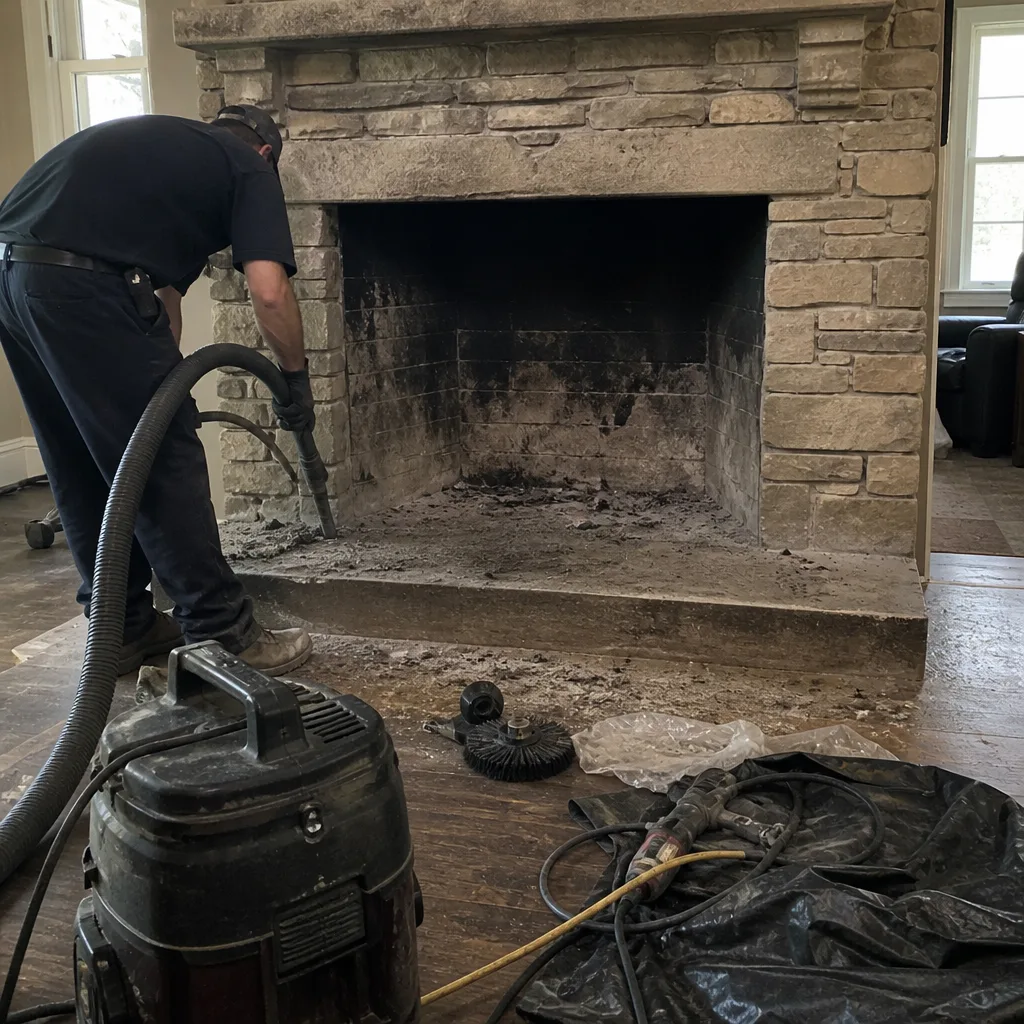 Before
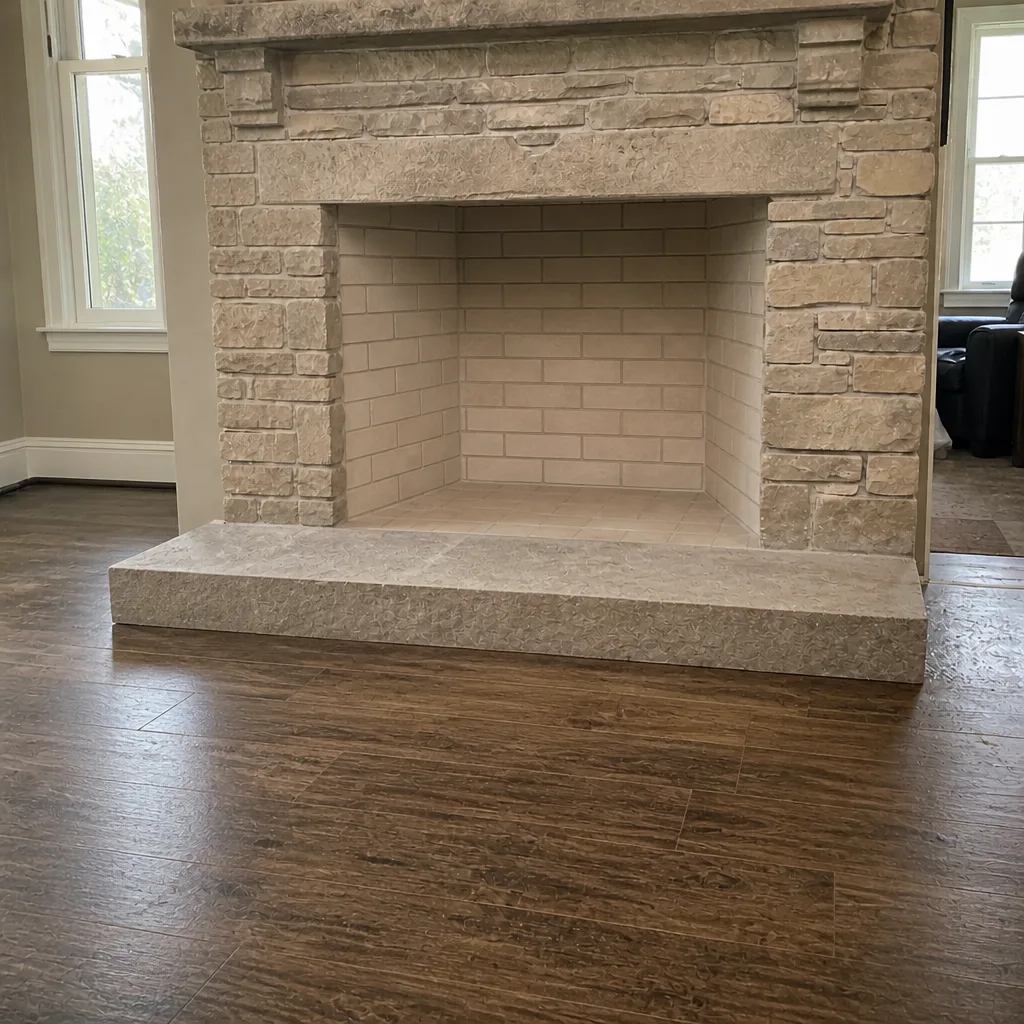 After
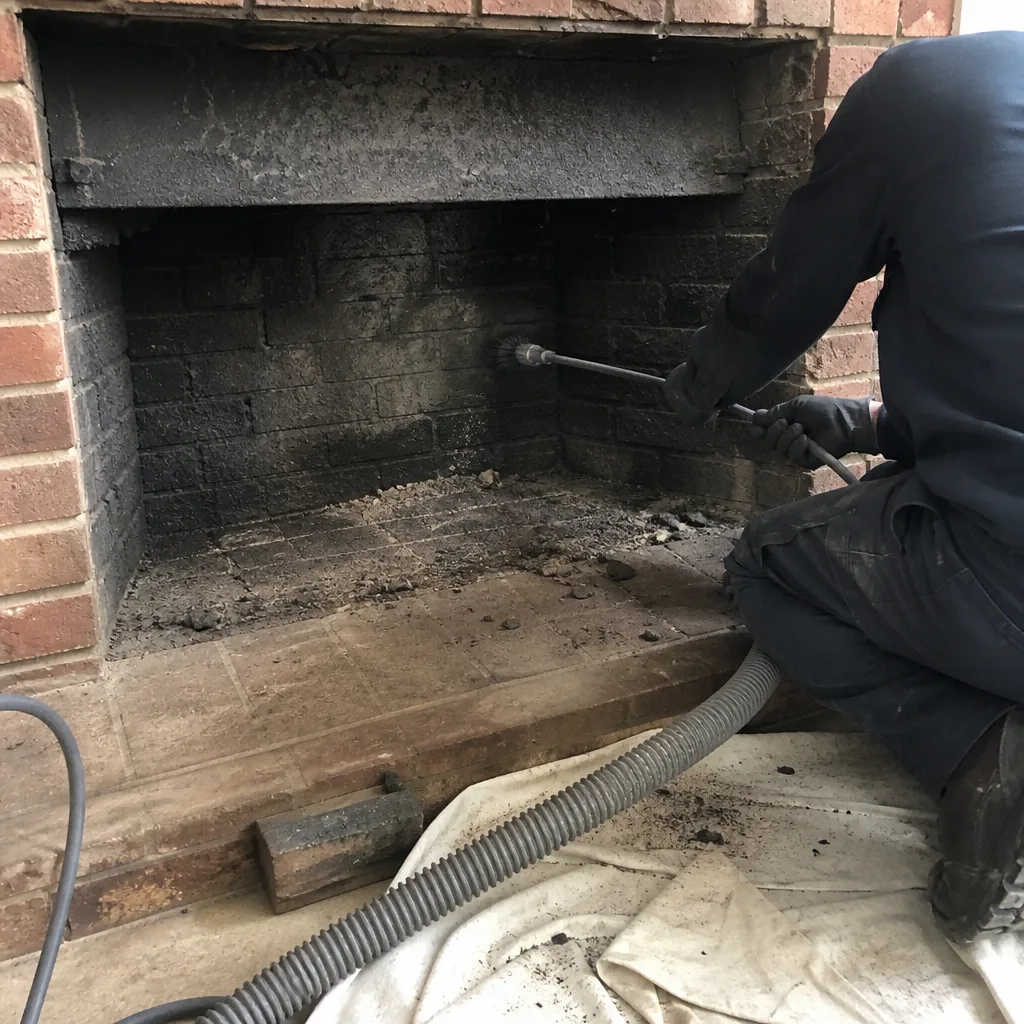 Before
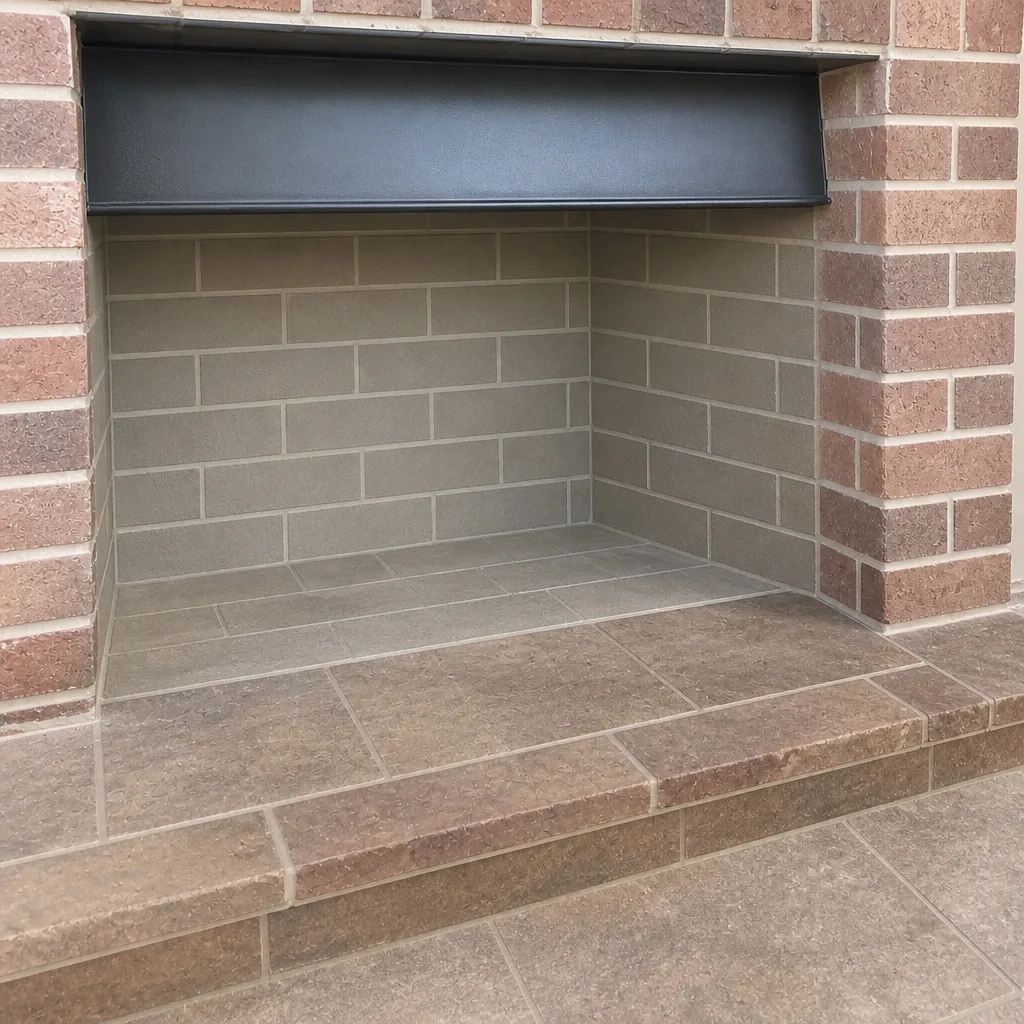 After
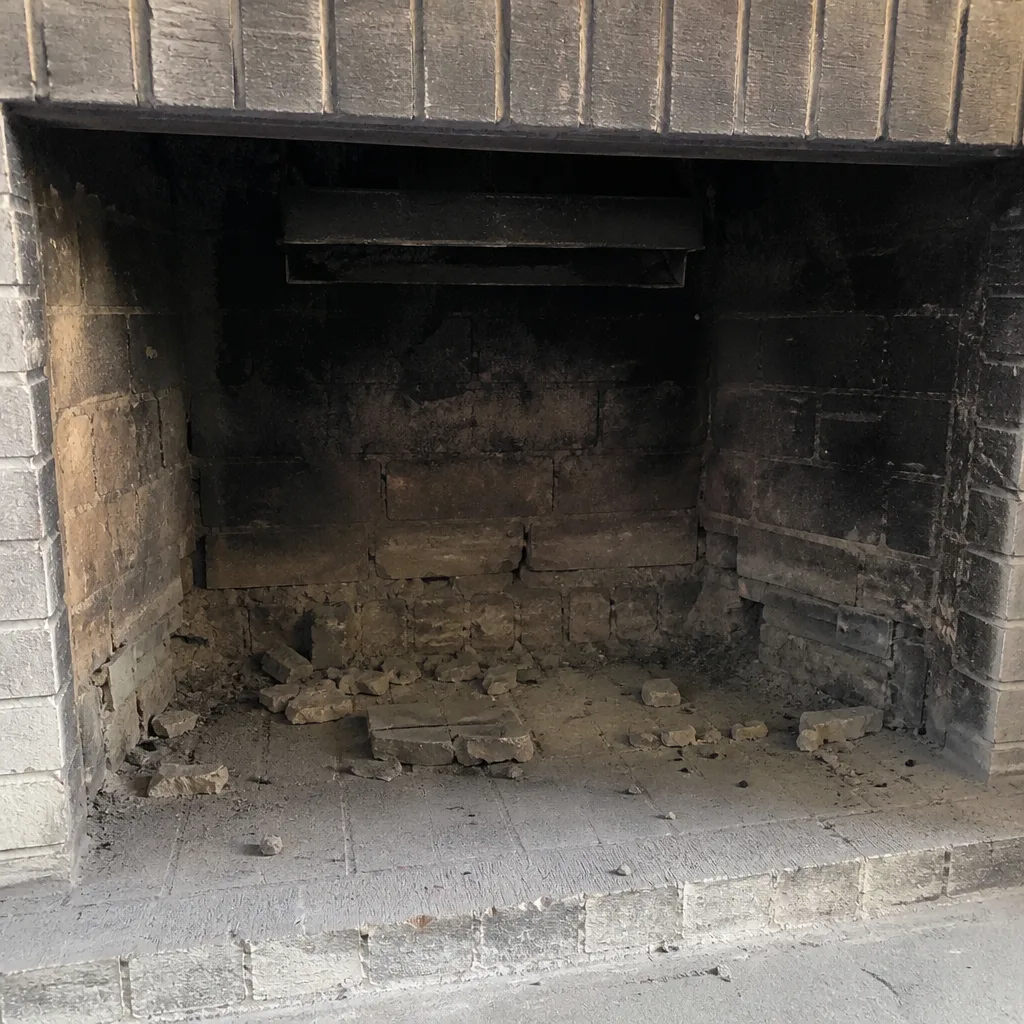 Before
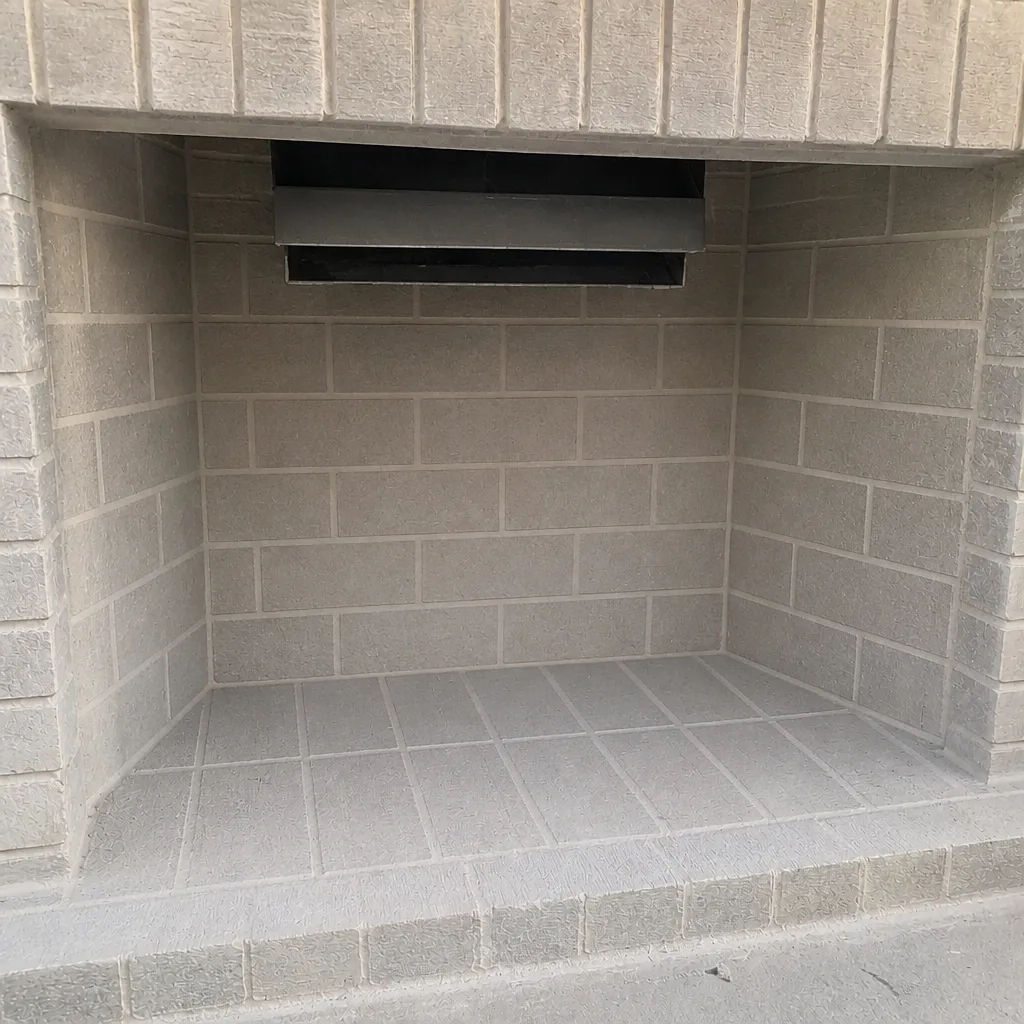 After