
Last updated November 14, 2026
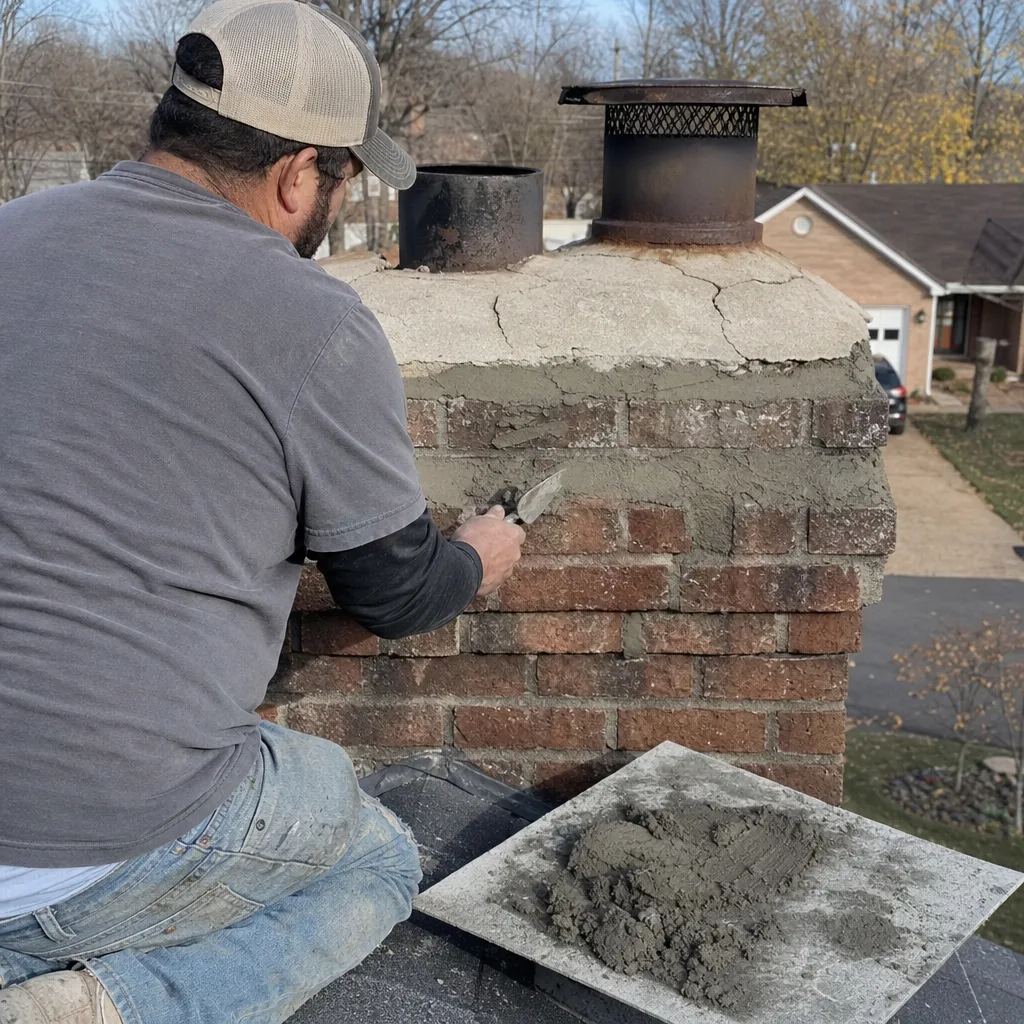
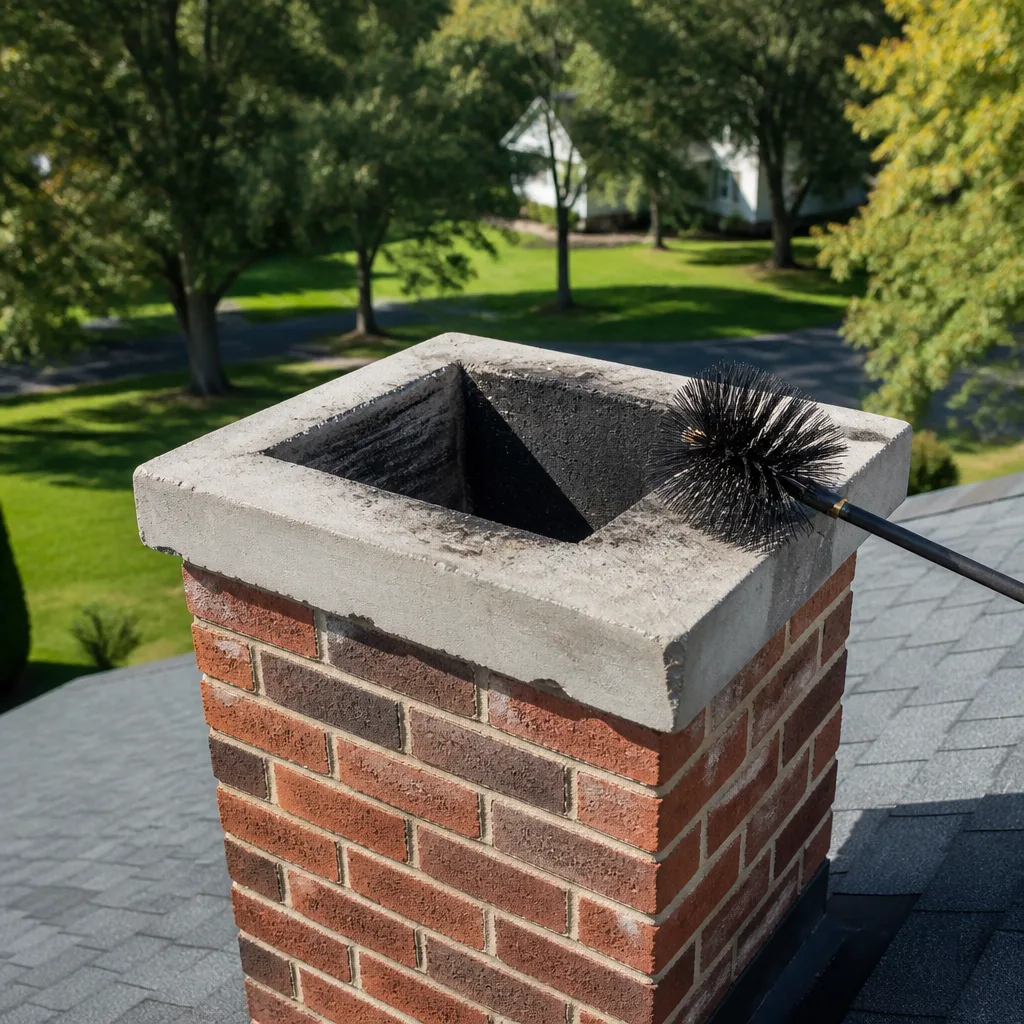 Sweep & inspection
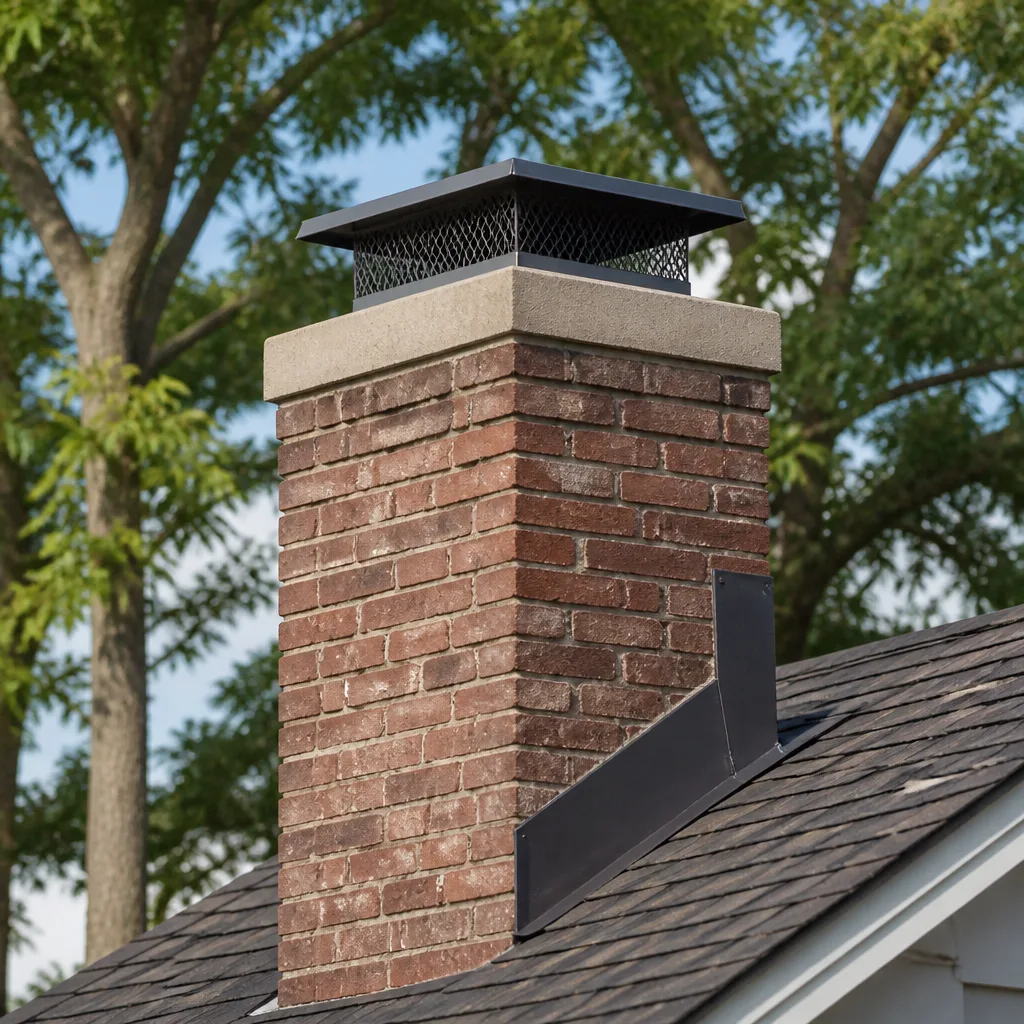 Caps & crowns
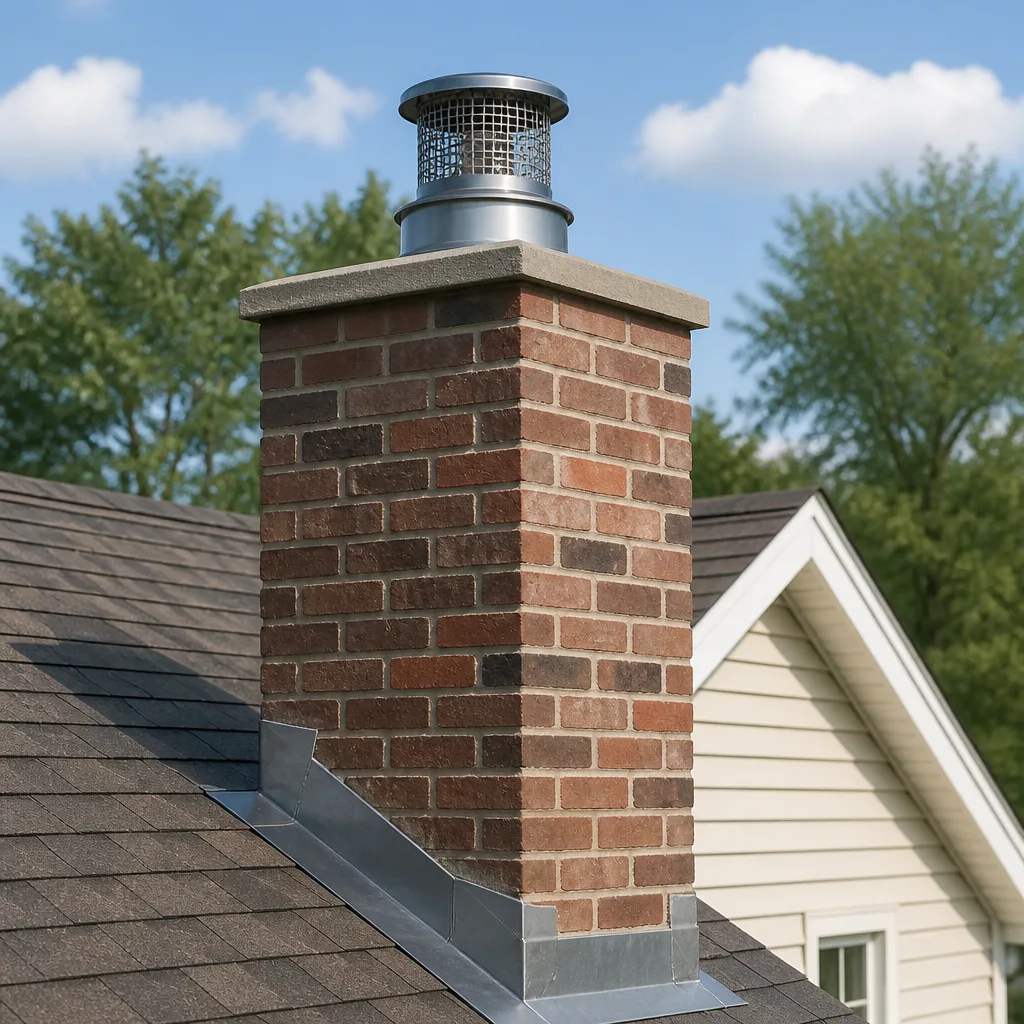 Flue relining
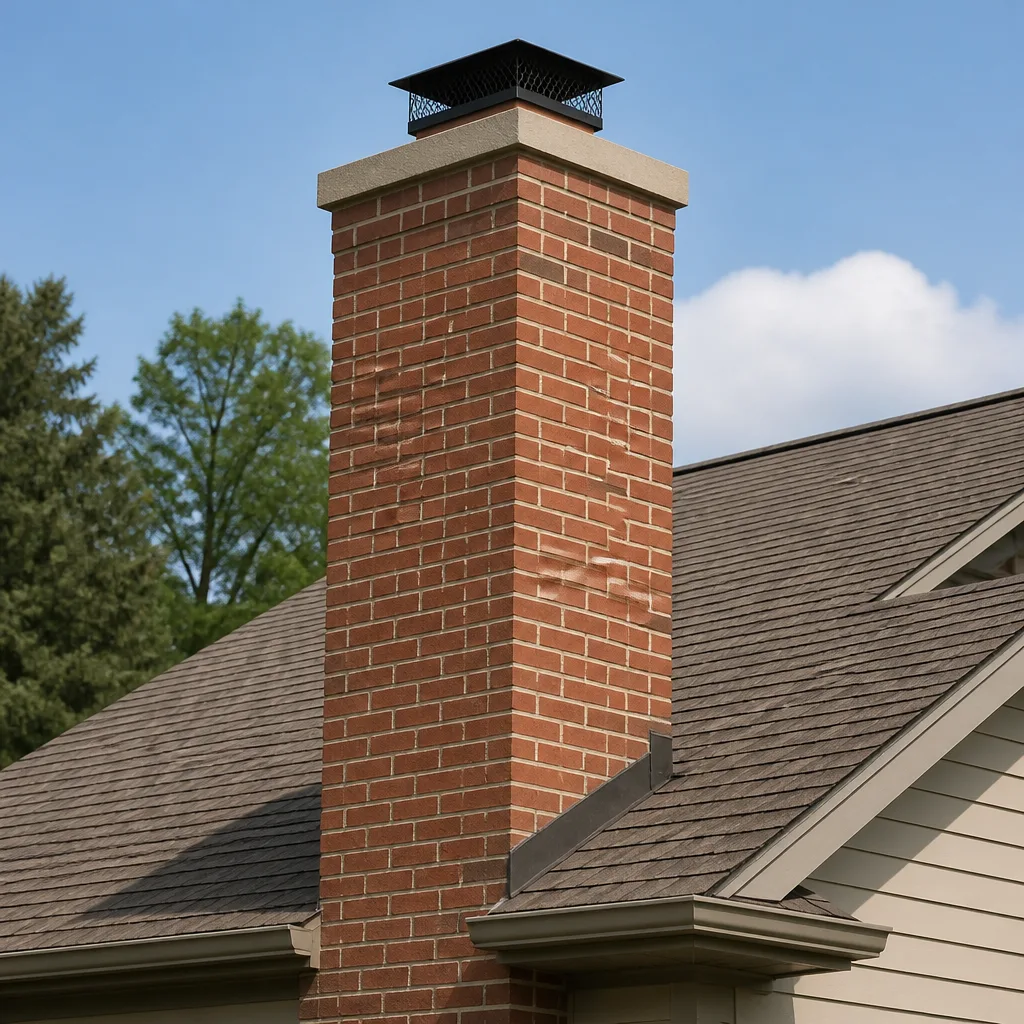 Masonry repair
 Gas fireplace service
Level 1 sweep and inspection to the NFPA 211 annual standard - flue, crown, cap, and flashing checked and photographed
Chimney sweep logs do not sweep chimneys. They loosen some creosote - which then falls where a brush and vacuum still have to collect it.
How to Hire a Chimney Cleaning Contractor in Nashville: A Step-by-Step Guide
Tennessee doesn’t require a specialty chimney contractor license. That single fact reshapes how you should hire. The person you pull off a home services app and a CSIA-certified specialist with fifteen years in the trade are legally indistinguishable on paper in this state. One has spent years learning to read creosote glaze and flue tile cracks; the other may have bought a brush and a shop vac last month. Both can print “chimney sweep” on a business card.
That’s the gap this guide closes. We’ll walk through what CSIA certification actually requires, the five questions that separate diagnostic-first companies from upsell-first ones, the sales tactics that show up specifically in this trade, and how to read an inspection report before you authorize a dollar of repair work. If you’re hiring a contractor in Nashville, the goal is to evaluate them the way an industry insider would, not the way a homeowner scrolling reviews would.
Quick Answer
To hire a chimney cleaning contractor in Nashville, verify CSIA certification (not just a business license), ask whether the company does inspections with camera documentation and repairs in-house, request a written report with photos before any repair is authorized, and walk away from any quote built on vague damage claims or same-day pressure. The credentialing floor is CSIA certification; everything above it comes down to whether the company diagnoses before it sells.
Styles & brands we work with
- Sweep & inspection
- Caps & crowns
- Flue relining
- Masonry repair
- Gas fireplace service
Table of Contents
- Why Hiring a Chimney Contractor in Nashville Is Harder Than It Looks
- What CSIA Certification Actually Means (and What It Requires)
- The Five Questions to Ask Before You Book
- Red Flags Specific to Chimney Contractor Sales Tactics
- Specialist vs. Generalist: Why It Matters Structurally
- How to Read a Chimney Inspection Report
- The Step-by-Step Hiring Process
- What’s Different About Chimney Work in Nashville
Why Hiring a Chimney Contractor in Nashville Is Harder Than It Looks
Chimney work has low barriers to entry. A truck, a ladder, some brushes, and a phone number gets someone into the trade. There’s no state specialty license to pass, no apprenticeship requirement enforced by law, no bond that would make a fly-by-night operator think twice. In most states, including Tennessee, “chimney sweep” is a self-applied title.
That’s not a knock on the trade. It’s a reality of how the work is regulated, and it’s exactly why the vetting has to go deeper than a license check and a review scan. Reviews tell you whether someone showed up on time and left the room clean. They don’t tell you whether the technician can distinguish a hairline flue crack from ordinary thermal stress, or whether the “damage” in the photo is actually damage or just a shadow cast on a normal flue tile.
Here’s what makes that distinction matter in Nashville specifically. This is a metro with a wide mix of housing stock, from century-old bungalows in East Nashville with original masonry fireplaces to new construction in the suburbs with factory-built systems and gas inserts. Each system fails differently and each demands different diagnostic knowledge. A sweep who only works on one type will misread the other.
Fire safety and carbon monoxide prevention are the reason any of this matters. A neglected flue is a genuine hazard: creosote buildup is what fuels chimney fires, and a blocked or deteriorated flue is what allows carbon monoxide to back-draft into living space. Hiring well isn’t about getting a neat, tidy service. It’s about whether the person you hire can see a problem and knows what to do about it.
What CSIA Certification Actually Means (and What It Requires)
CSIA certification is the credential floor for this trade, not a premium differentiator. That’s the point most homeowners get wrong. A CSIA-certified sweep isn’t the luxury option; they’re the baseline. Anyone without it is operating below the standard the industry itself recognizes.
The Chimney Safety Institute of America (CSIA) is the trade’s recognized credentialing body. Certification requires passing a proctored exam covering codes, standards, and the science of how venting systems work. Then it requires continuing education to stay current, because codes and manufacturer specifications change. Certification isn’t permanent. It has to be earned and maintained.
What certification signals in plain terms:
- Code knowledge. The technician understands venting requirements, clearances to combustibles, and how different appliance types demand different flue configurations.
- Diagnostic literacy. Certified sweeps are trained to read a flue, not just scrub it. That means spotting cracks, gaps, misalignment, and improper connections before they become hazards.
- Standards currency. Continuing education forces the sweep to keep up with the trade’s evolving standards rather than relying on methods learned a decade ago.
- A baseline of accountability. Certification can be revoked. That creates a real incentive to do the work to standard.
Certification doesn’t guarantee a good experience. We’ve seen certified companies whose sales tactics we wouldn’t endorse. But it eliminates the worst of the field, and it’s the first thing to verify. Ask for the name of the technician who’ll actually do the work, then verify that name against the CSIA directory. Certification belongs to an individual, not a company.
When we talk about the brands we work with, we’re signaling the parent standard a certified professional works to. DuraFlex flexible liner systems, HeatShield ceramic resurfacing, and components from Gelco and Copperfield are all specified by CSIA-trained professionals. When you’re vetting a contractor, asking which manufacturers they source from tells you whether they’re using materials the industry trusts or whatever the local supply house happened to have on shelf.
The Five Questions to Ask Before You Book
These five questions reveal whether a company is diagnostic-first or upsell-first. Ask them all before you commit. The answers matter more than the phrasing.
- “Will I get photos or video from inside the flue?” A company that inspects the chimney properly documents what it finds. If they can’t show you images, what they’re “recommending” is an opinion, not evidence. This is the single most important question on the list.
- “Do you do repairs in-house, or do you subcontract?” A company that diagnoses and repairs with the same team has more accountability for the diagnosis. When repair is subcontracted, there’s a natural incentive for the inspection to find work for another crew. Repairs done in-house mean one party is responsible for the whole scope.
- “What does your written report include?” You want a document with photos, findings, and a clear assessment of what’s safe, what needs attention, and what can wait. Vague verbal summaries aren’t a report.
- “What are you certifying about the flue specifically?” The answer separates diagnostic literacy from brushing. A sweep who talks about cracks, gaps, and clearance issues understands the system. One who only talks about how much soot they’ll remove isn’t inspecting.
- “If you find something, will you tell me when it can wait?” A straight answer here is the best indicator of whether you’re being sold or advised. A company you can trust will say plainly when work isn’t urgent.
Ask these questions before the technician arrives. A company that gives you vague answers by phone will give you vague answers on the invoice too. The right tone to listen for is plain and instructional: they explain what the sweep removes, what creosote buildup means for your specific flue, and why a finding does or doesn’t matter. If they can’t explain it, they don’t understand it well enough to advise you.
Red Flags Specific to Chimney Contractor Sales Tactics
Chimney sales tactics follow a pattern, and once you’ve seen it you recognize it. Three red flags are particularly common in this trade.
Vague “damage” photos
A technician shows you a photo and says, “Your flue is damaged and needs a liner.” Ask them to point out what specifically is wrong. Legitimate damage looks like identifiable cracks, spalling, gaps between flue tiles, or evidence of a prior fire. If they can’t explain the photo in plain terms, or if the photo looks more like shadow than damage, that’s a signal. A genuine diagnosis translates into a description of the problem, not an ominous image.
Same-day pressure to authorize
Chimney repair isn’t an emergency decision. When a contractor says “we can’t leave it like this” and pushes for authorization before you’ve had time to read a report, that’s pressure, not safety. Good companies want you to understand the finding before you commit. There’s nothing about a chimney repair that requires you to decide in the next hour. If they’re framing it as one, slow down.
Unusually low sweep price paired with high repair estimates
This is the classic loss-leader setup. A sweep price that’s far below the local market is a hook, and the real revenue is expected to come from the repair quote that follows. A fair sweep price has to cover the technician’s time and the diagnostic work. When a job runs at a loss, that margin has to be recovered somewhere, and it isn’t from the sweep.
Other signals to watch for:
- Verbal findings with no written report and no photos.
- Repair quotes presented before the chimney has actually been inspected.
- Pressure to authorize work the same day without giving you the report to review.
- A company that won’t put their recommendation in writing.
- Bids built on fear language rather than a clear description of what’s wrong.
Specialist vs. Generalist: Why It Matters Structurally
Hiring a handyman to clean a chimney feels like straightforward math: it’s a cleaning task, and they charge less. The reasoning falls apart when you look at what the work actually involves. Chimney sweeping and venting are a specialization, not a chore, and the difference shows up in three places.
Diagnostic capability
A generalist can brush a flue. They can’t read one. The value of a specialist sweep is that they’re trained to spot structural problems a generalist would walk past: cracked flue tiles, deteriorated mortar joints, improper appliance connections, blocked or offset flues. Those findings are the reason to do the work, because they’re the link between routine maintenance and fire safety.
Material sourcing
When a repair is needed, what gets installed matters as much as who installs it. A specialist works with specific manufacturers whose products are tested and accepted by the trade: DuraFlex flexible liner systems for relining, HeatShield ceramic resurfacing for flue restoration without full replacement, and components from Olympia Chimney, Famco, Gelco, and Copperfield for caps and venting hardware. A generalist typically sources generic materials from whatever supply route is convenient, and that dimension of quality is invisible on a quote.
Liability and code knowledge
Chimney work touches codes and clearances, and a specialist understands those requirements in a way a generalist doesn’t. That cuts two ways: it affects whether the work meets code, and it affects who is accountable when it doesn’t. A specialist owns the outcome of the diagnosis and the repair. A generalist often can’t, because their scope doesn’t extend to structural work. When a chimney repair is needed in Nashville, the accountability matters.
This is why we repair, not just sweep. Three in-house service lines (sweeping, dryer vent cleaning, and structural chimney repair) mean a finding doesn’t send you looking for a second vendor. We install DuraFlex liner systems for full relining and apply HeatShield ceramic resurfacing to restore flue integrity without full liner replacement. It’s a cost-effective structural option most generalist cleaners don’t present, because they can’t perform it. That distinction is worth asking about directly when you’re evaluating a contractor.
Dryer vent cleaning belongs in the same conversation. Lint buildup in a dryer vent is the second leading cause of residential house fires, and it’s a venting problem that a chimney specialist is equipped to address. Our dryer vent cleaning work is part of the same safety-first practice.
How to Read a Chimney Inspection Report
A chimney inspection report should tell you exactly what condition your system is in, with evidence you can see. Before you authorize any repair, the report should contain specific elements. If any of these are missing, you don’t have a report, you have a sales pitch.
What a proper report should contain:
- Photos or video of the flue interior showing identifiable findings, not just vague images labeled “damage.”
- A description of the system: what appliance you have, what type of flue, and whether the components are properly matched.
- Any defects found, described in plain language. “Hairline crack in the second flue tile from the top” is a description. “Severe damage” is not.
- Creosote assessment: the degree of buildup and whether it needs to be addressed before use.
- Clearances to combustibles and whether they’re adequate.
- A plain statement of what needs attention now, what can wait, and what was found to be safe.
The “what can wait” line is the one to read carefully. A technician who tells you a finding can wait isn’t losing a sale; they’re proving they’ll give you a straight answer when a repair genuinely matters. That’s the difference between a diagnostic-first company and one that treats every finding as a closing opportunity.
When you review the report, ask three questions before you authorize anything:
- Can the technician point to the finding in the photos and explain it in plain language?
- Does the proposed repair address the specific problem described, or is it a broader recommendation?
- Is there a less extensive option, and is the proposed one justified?
If any answer is unclear, ask for clarification in writing before you authorize. A legitimate company will not resent the question. If a company is recommending a new liner, the report should say why the flue can’t be restored with a less invasive option. HeatShield ceramic resurfacing is a legitimate middle path for certain flues; it’s worth knowing the option exists so you can ask whether it applies to yours.
The Step-by-Step Hiring Process
Here’s the sequence to run when you’re hiring a chimney cleaning contractor in Nashville. Take it in order.
- Verify CSIA certification for the technician who will do the work. Not the company. The individual. Ask for the name, then check the CSIA directory.
- Ask about the inspection process and documentation. Confirm you’ll receive photos and a written report. Confirm the report will be provided before any repair decision.
- Confirm in-house capability. Find out whether repairs are done with the same team or subcontracted. Ask what materials they work with.
- Ask the five questions from this guide before booking. If any answer is vague, keep looking.
- Review the report carefully. Check for photos, plain-language findings, and the “what can wait” line. Verify the description of any proposed repair aligns with what’s in the photos.
- Get the repair scope in writing before you authorize. Price is set per job by the written estimate, so nothing should be added after the fact without a new estimate.
- Keep the report on file for future reference. It establishes the state of the system at a point in time.
If you’re already booking with us, this checklist runs in the same order. Our chimney sweep includes camera inspection and a photo report you can review before you authorize anything. The estimate is free and the flat price is set per job by the written estimate, so there’s no surprise at the invoice.
What’s Different About Chimney Work in Nashville
Nashville’s chimney work is shaped by the housing stock and the season. The metro has a mix of older masonry fireplaces in established neighborhoods and newer construction with factory-built fireplaces and gas inserts in suburbs and outlying areas. The two demand different diagnostic knowledge. A mason who understands century-old fireplaces doesn’t necessarily know how a modern factory-built system is vented, and vice versa.
The seasonal pattern matters too. Homeowners here tend to think about the chimney in the fall, before burning season begins. That’s understandable, and it’s also why local demand peaks around the same time. Booking a Nashville sweep before the peak avoids a scramble, and it’s the right time to catch problems before the first fire of the season.
Nashville winters bring a few things worth knowing about how chimneys age. Cycles of burn-and-rest put thermal stress on flue tiles. Older masonry often has hairline cracks that predate any move-in day. And in neighborhoods where housing dates to the mid-twentieth century or earlier, there’s a fair chance a chimney has had more than one owner and no documentation of prior repairs. Those are the chimneys where an inspection pays for itself, because they’re the ones where nobody actually knows what’s inside the flue.
Nashville humidity adds another wrinkle. Masonry holds moisture, and moisture-driven deterioration of mortar joints shows up in the exterior chimney structure over time. It’s not something a sweep fixes, but it’s exactly the kind of thing an inspection should flag before a structural repair becomes a bigger project.
One more local point. Tennessee doesn’t require a specialty chimney license, so local hiring depends more than in other states on the homeowner knowing what to ask. The good news: it’s not hard once you know the questions. Our Nashville chimney cleaning service is built around camera inspection and a photo report because we’ve seen how often that documentation catches a problem a brush alone would miss. Our technicians have up to 9 years of experience, and the same team diagnoses and repairs in-house, including HeatShield ceramic resurfacing for flues that don’t need a full liner replacement.
Common Mistakes to Avoid
- Checking only Google reviews and skipping certification. Reviews measure whether someone was pleasant and on time. They don’t measure whether the technique was correct or the repair was justified. Check CSIA certification for the technician before you look at anything else.
- Accepting verbal findings. If you don’t have photos and a written report, you don’t have a diagnosis. You have an opinion, and you’re being asked to spend money on it. Insist on documentation.
- Authorizing repair on the same visit the sweep is done. A sweep is maintenance; a repair decision deserves a report you’ve read. There’s no urgency that makes same-day authorization the right call. If a company frames it that way, that’s a sign.
- Hiring a generalist handyman for chimney work. A handyman who happens to own a brush is not a chimney specialist. The diagnostics, material sourcing, and code knowledge are part of the work, not extras.
- Assuming “damaged flue” always means full liner replacement. It often doesn’t. HeatShield ceramic resurfacing restores flue integrity in many cases at less cost than full relining. Ask whether it applies to yours before you agree to a liner.
- Skipping the dryer vent in the same inspection cycle. Lint in a dryer vent is the second leading cause of house fires. If the same company handles venting, get it looked at while they’re there.
- Taking the lowest sweep quote without checking what it includes. A sweep price that’s far under local market usually means the diagnostic work isn’t in it, and the repair quote that follows is carrying the cost.
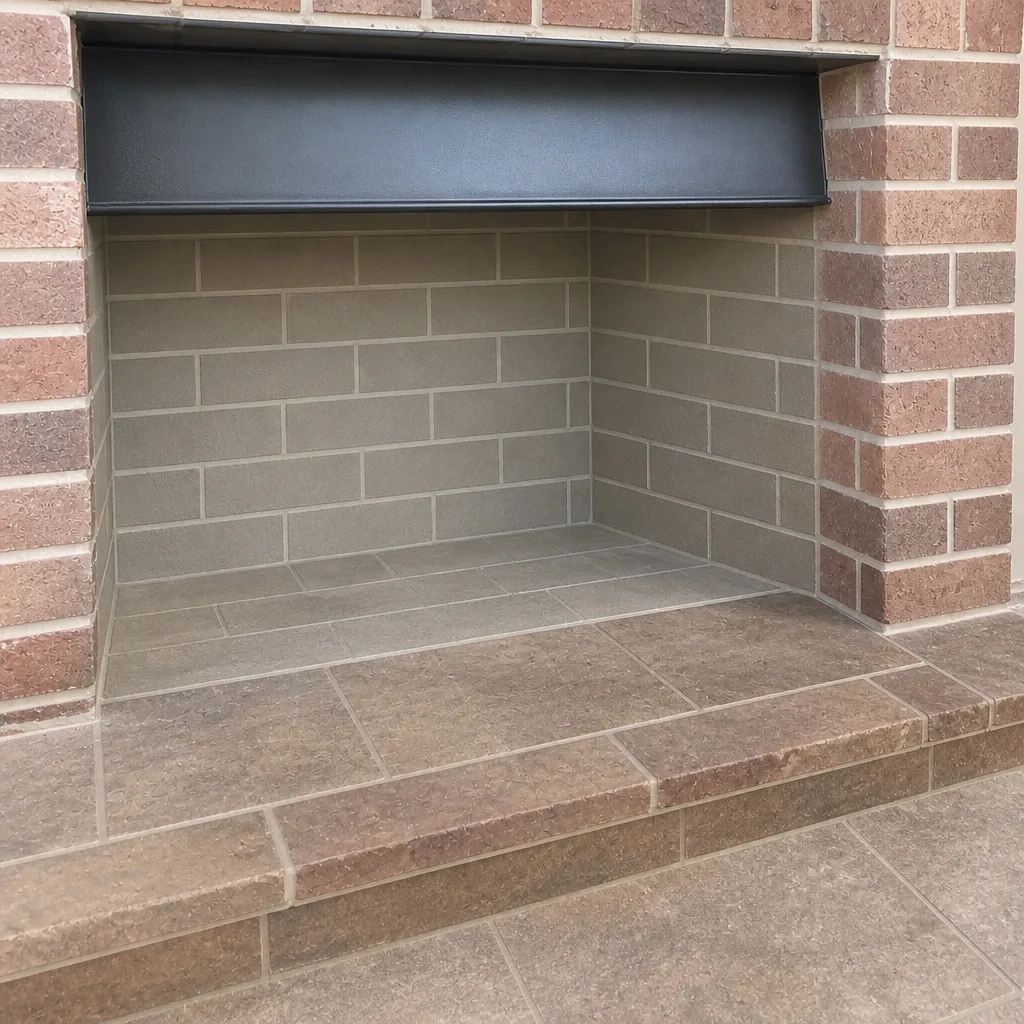
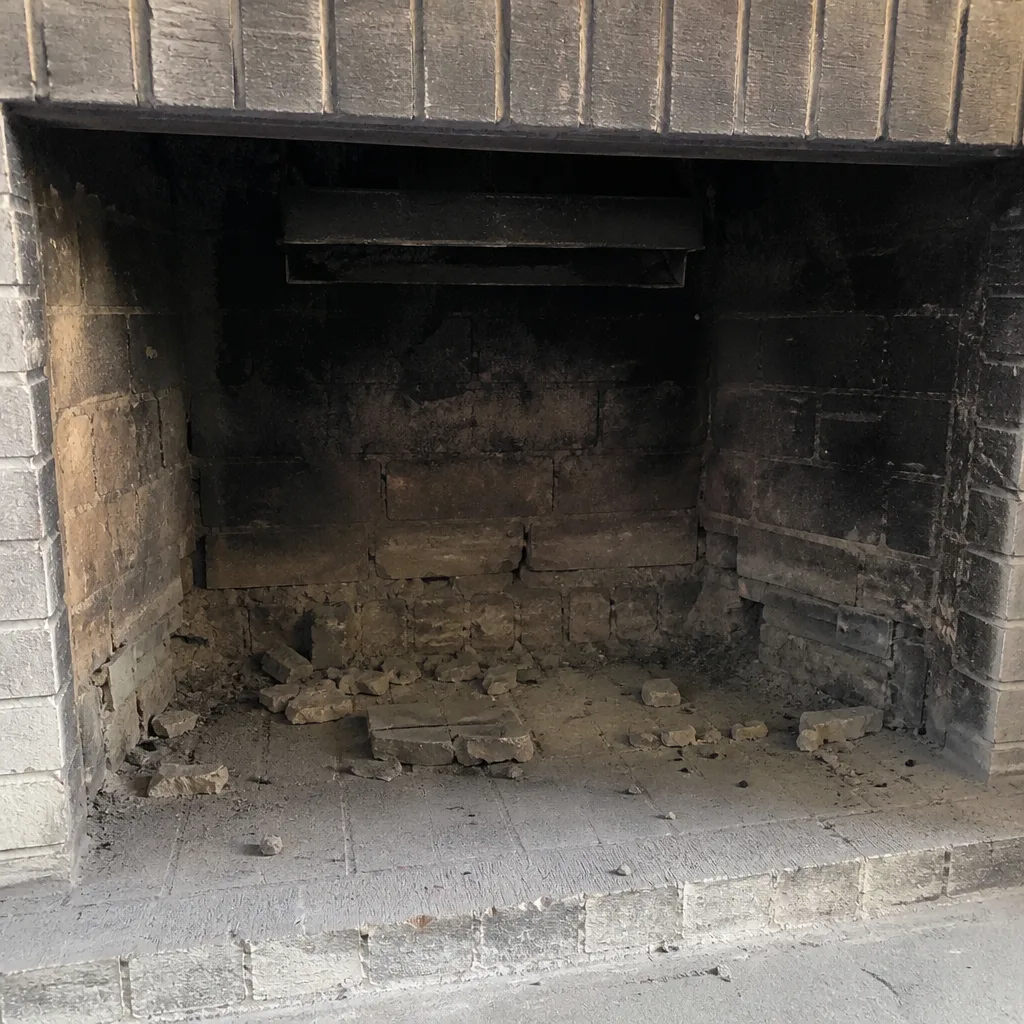
See the difference
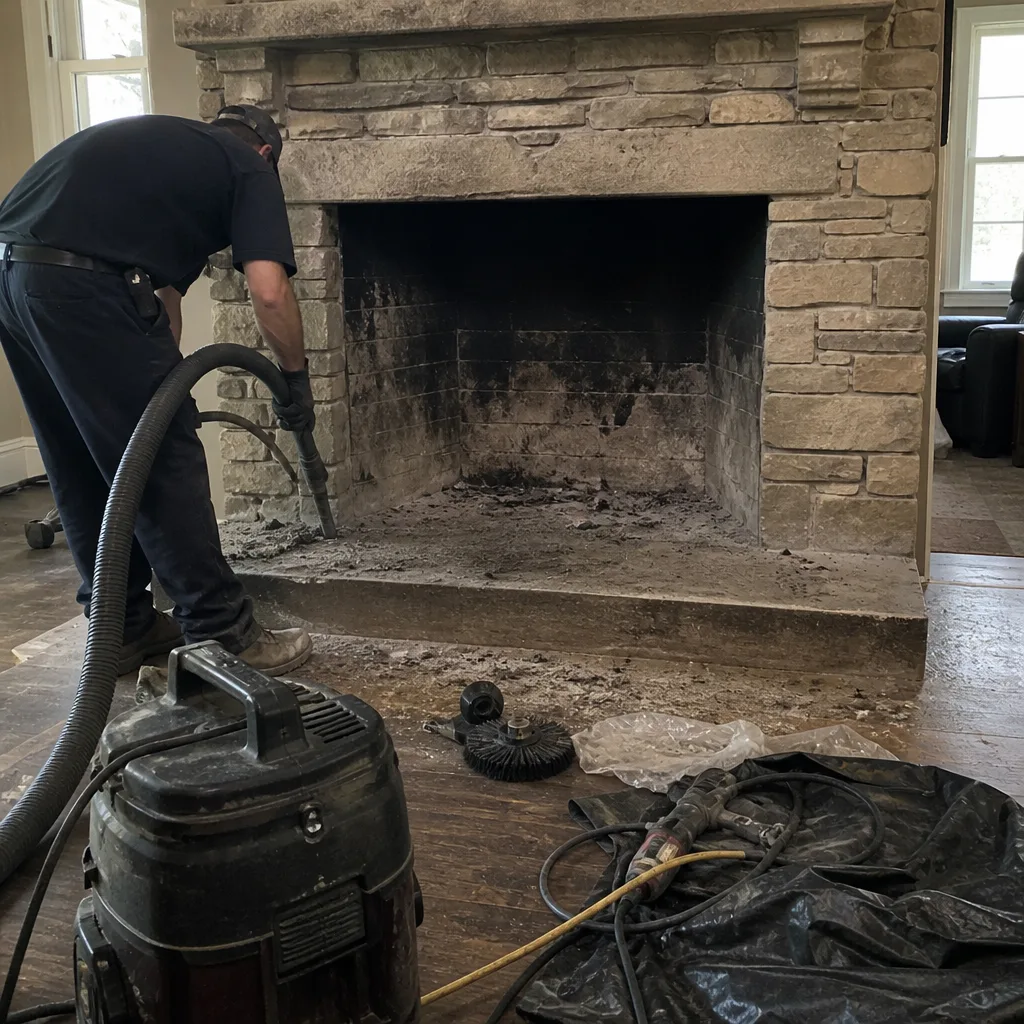 Before
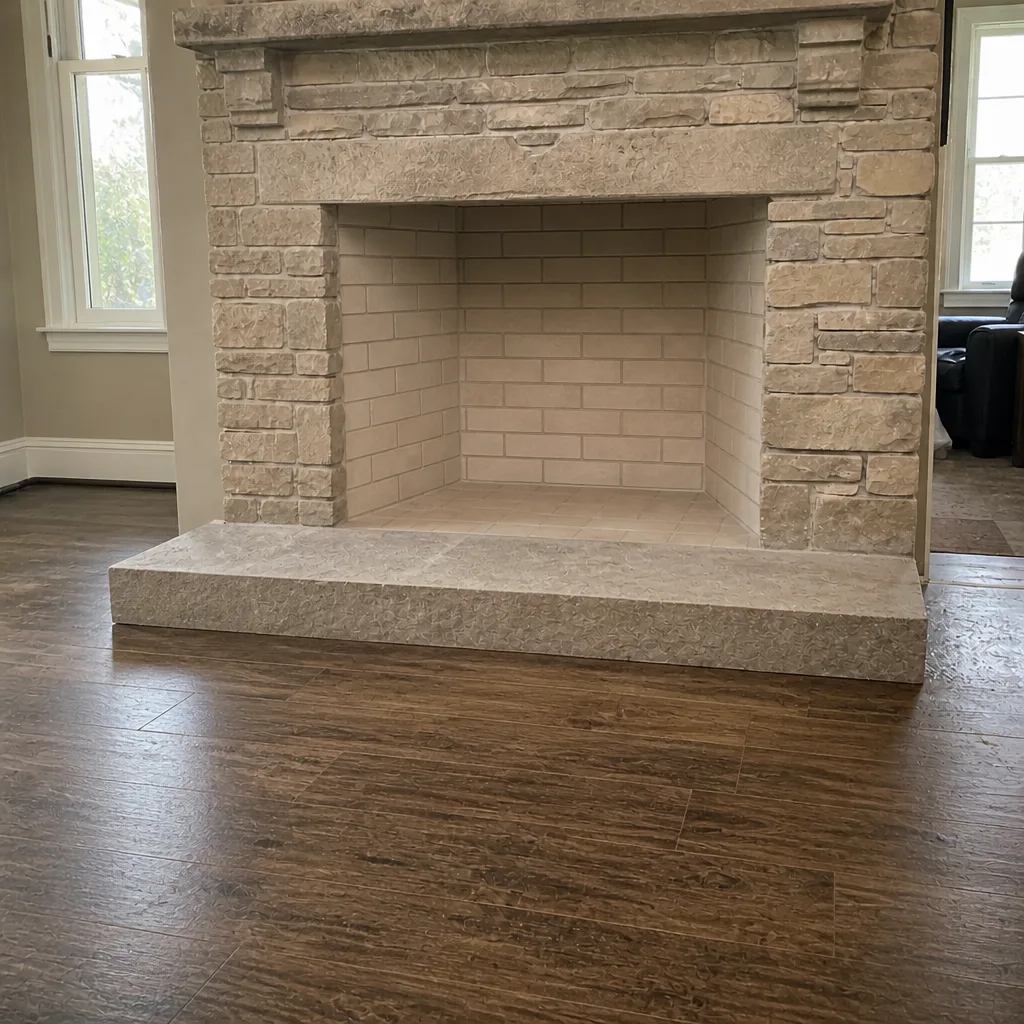 After
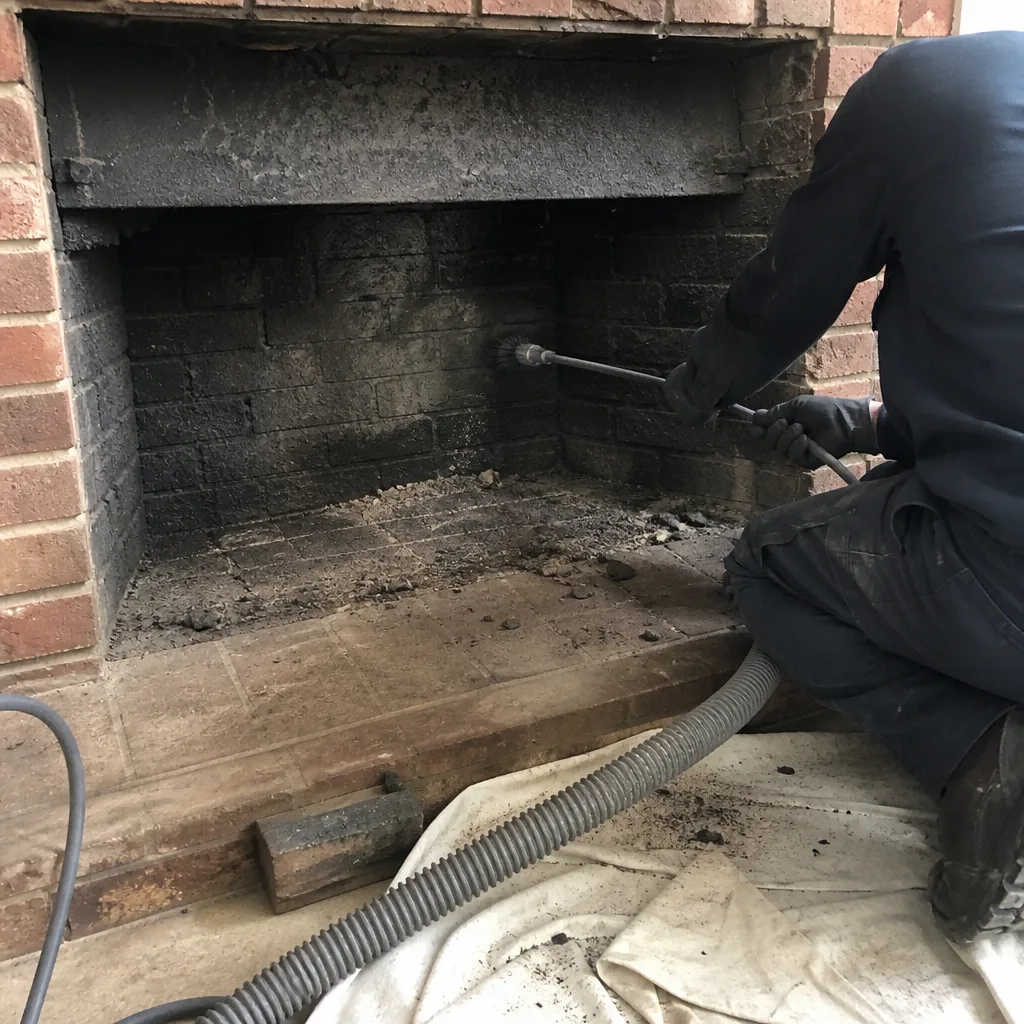 Before
 After
 Before
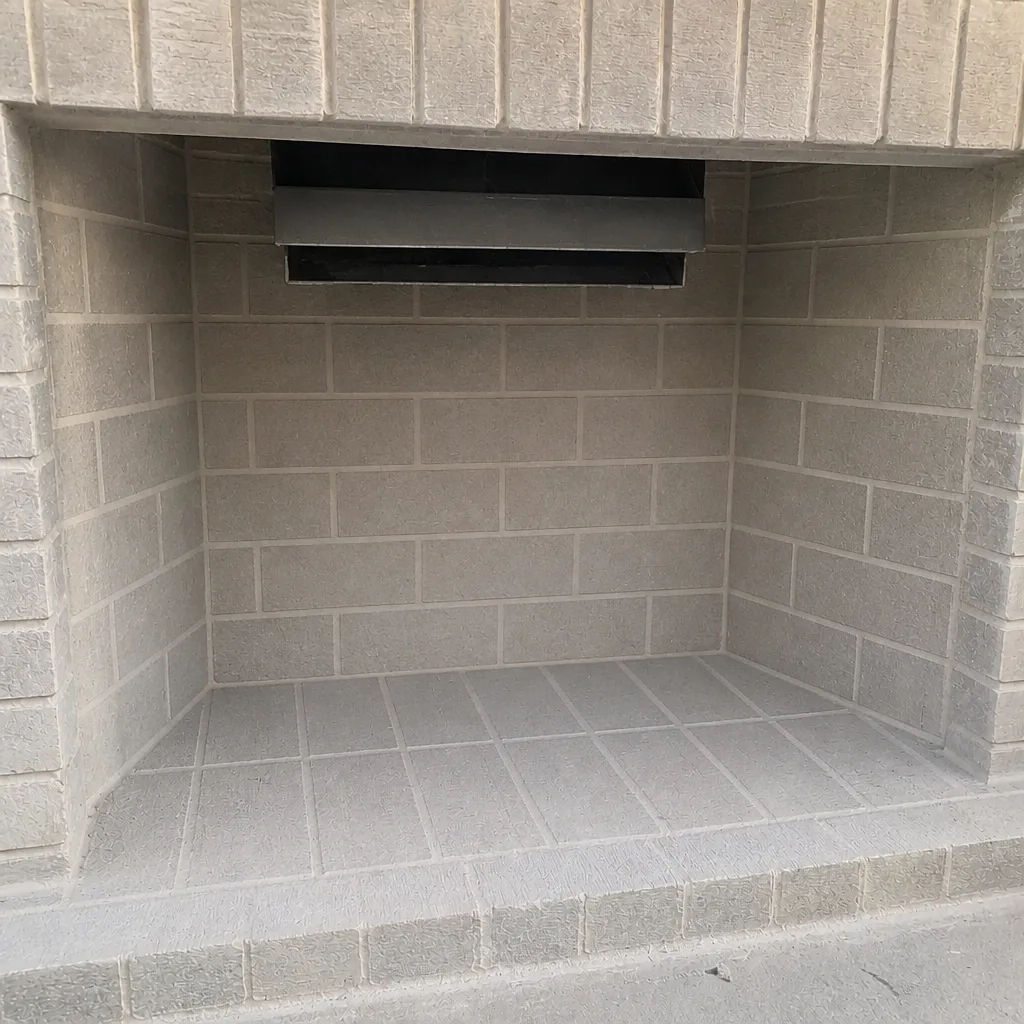 After
When to Call a Professional
Some situations call for a sweep. Some call for an inspection. A few call for immediate professional attention, and you shouldn’t wait.
Call a professional when your chimney hasn’t been swept in over a year of active use, or when you can’t remember the last time it was done. Call if you burn wood regularly and notice a strong, tarry smell, or if creosote is visibly building on the damper or firebox walls. Call if your fire doesn’t draw, if smoke spills into the room, or if you smell gas or combustion odors when the appliance isn’t running. Call if you see cracked or spalling masonry on the exterior, or if the chimney has moved visibly. Call immediately if you hear a low roar or popping sound during a fire. And call if your dryer is taking longer to dry clothes: that’s a venting signal worth reading.
Nashville Chimney Cleaning offers free estimates in Nashville. Call (844) 405-8628. We answer 24/7. Fast dispatch from 7am to 7pm, Sunday through Friday.
Frequently Asked Questions
Sweep pricing in Nashville varies by the flue configuration, the degree of buildup, and whether the work is a routine sweep or a full inspection, so the honest answer is that pricing is set per job by a written estimate after we’ve seen the flue. What you should expect to receive for the price is camera inspection and a photo report before any repair discussion. The estimate is free, so there’s no reason to guess. Call (844) 405-8628 for an exact quote.
Only when the flue can’t be restored another way. Not every flue with damage needs full liner replacement. HeatShield ceramic resurfacing is a legitimate repair-grade option that restores flue integrity without full replacement, and DuraFlex flexible liner systems handle full relining when restoration isn’t possible. The deciding evidence should be in your inspection report, not in a verbal recommendation. Ask whether HeatShield applies to your flue before you agree to a liner. Call for an estimate.
The general industry standard is once a year for a chimney in active use. If you burn wood regularly, your flue accumulates creosote every season and the annual sweep is a safety check, not a luxury. If you only burn occasionally, the annual inspection still matters because the flue can develop problems between burning seasons that have nothing to do with creosote. Call (844) 405-8628 to get on the schedule before burning season.
Creosote accumulates, and creosote is what fuels chimney fires. A blocked or damaged flue can also back-draft carbon monoxide into your living space. The reason to book isn’t tidy maintenance; it’s that the risks are fire and carbon monoxide, which are the two things you can’t smell or see in time. Call for a free estimate and get the flue looked at before the season starts.
No. Tennessee doesn’t require a specialty chimney contractor license, which means any individual can call themselves a chimney sweep. CSIA certification is voluntary, and that’s precisely why it matters: it’s the technician’s choice to meet the standard the industry recognizes. Verify the certification for the specific technician who will do the work. Call (844) 405-8628 with any questions about our team.
If your dryer takes longer to dry clothes, if lint is visibly accumulating near the outdoor vent, or if the vent hasn’t been cleaned in a few years, yes. Lint in a dryer vent is the second leading cause of house fires, and it’s a venting problem, not a housekeeping issue. Our dryer vent cleaning is done under the same safety-first standard as our chimney work. Call for a free estimate.
The Bottom Line
Hiring a chimney cleaning contractor in Nashville comes down to a few things that separate a professional from someone with a brush. Verify CSIA certification for the technician, not just the company. Ask whether the company inspects with photos and repairs in-house, because both tell you whether the diagnosis is accountable. Request a written report and read the “what can wait” line before you authorize any repair. Walk away from vague damage photos and same-day pressure, and treat an unusually low sweep price as a question mark, not a deal. When the report is clear and the technician can point to what’s actually wrong, you have everything you need to decide. When a company can’t show you the evidence, you haven’t been inspecting, you’ve been pitched.
Nashville Chimney Cleaning offers free estimates in Nashville. We answer 24/7. Fast dispatch from 7am to 7pm, Sunday through Friday. Call (844) 405-8628 to get started.
Written by the team at Nashville Chimney Cleaning.