
Last updated November 14, 2026
 Sweep & inspection
 Caps & crowns
 Flue relining
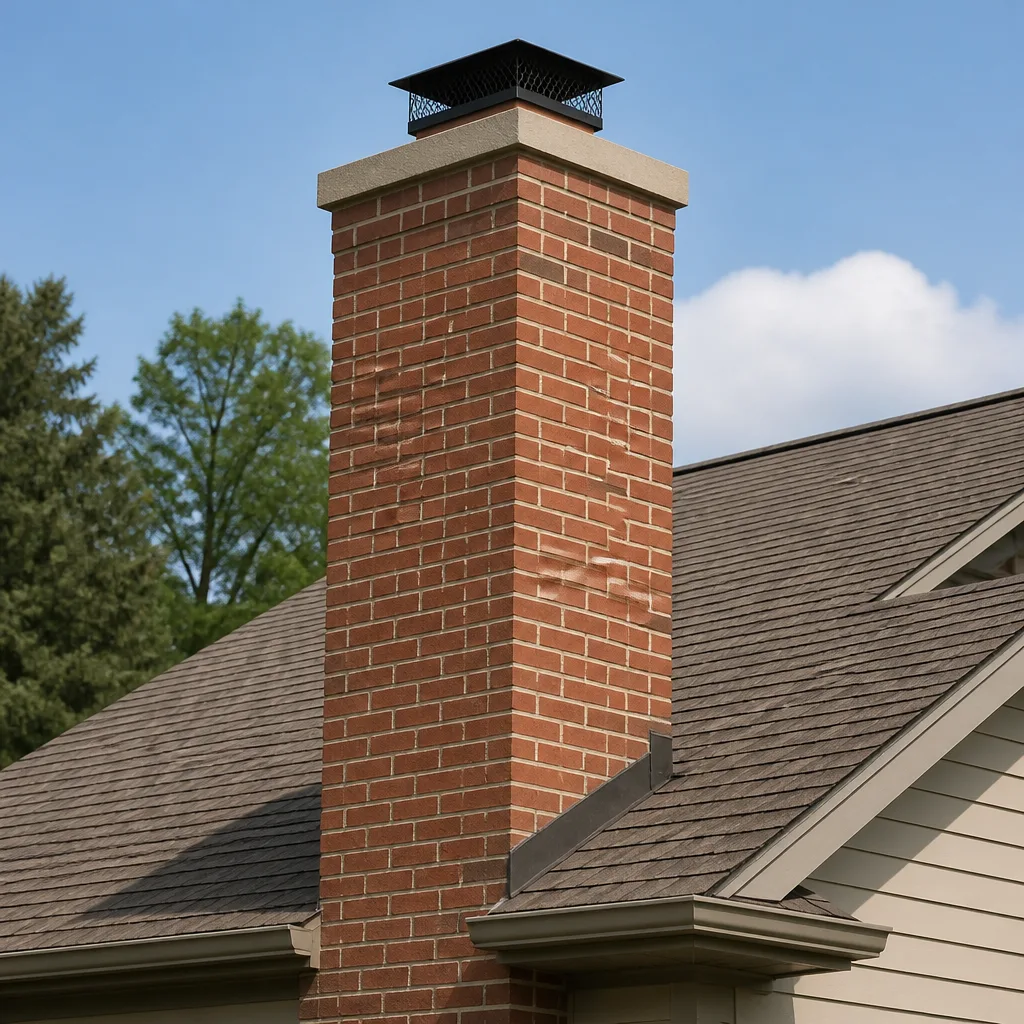 Masonry repair
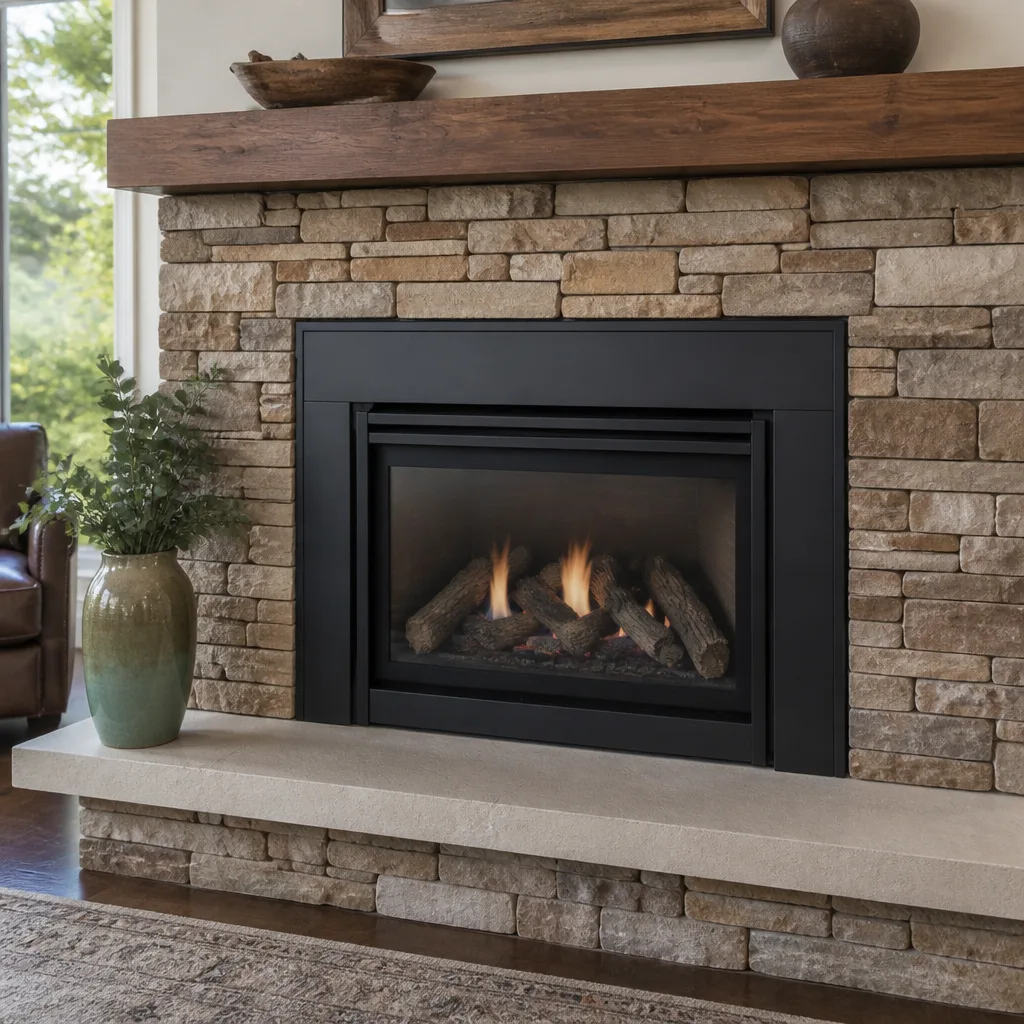 Gas fireplace service
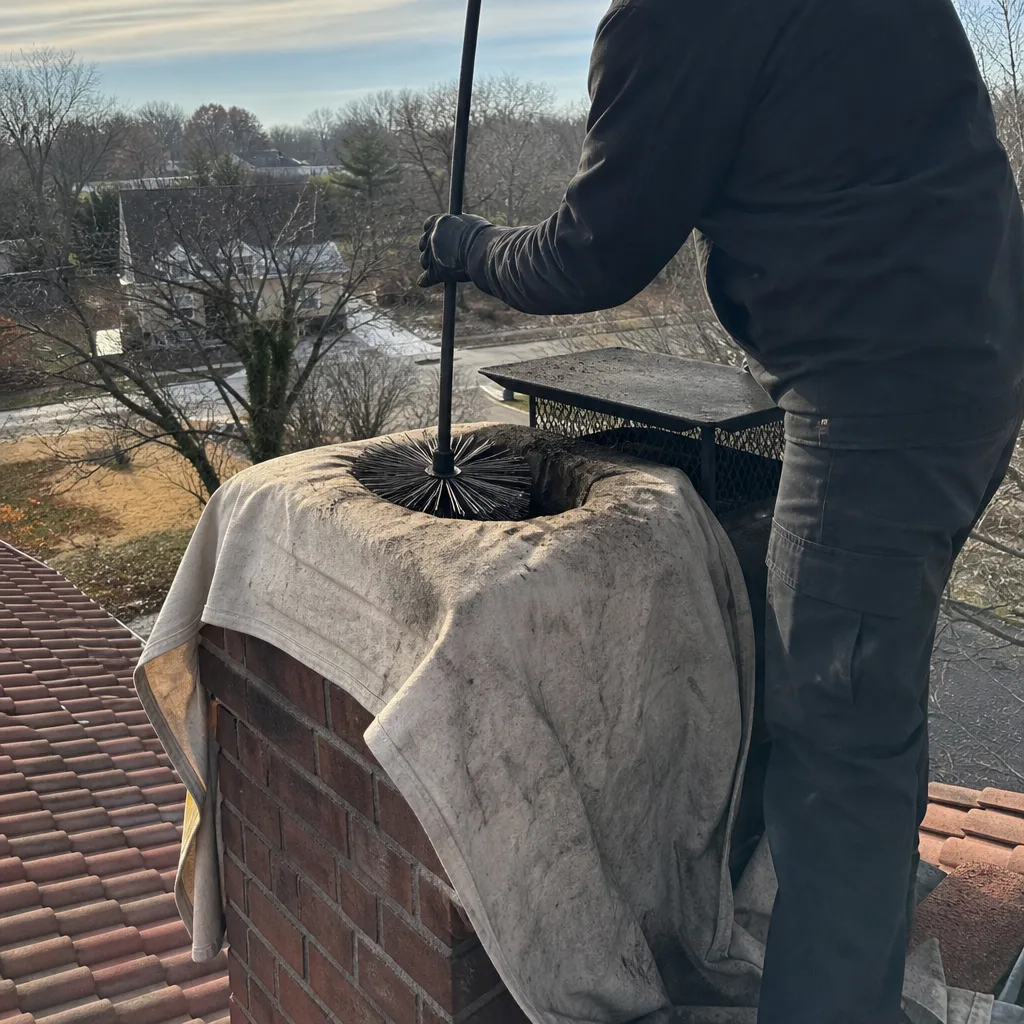
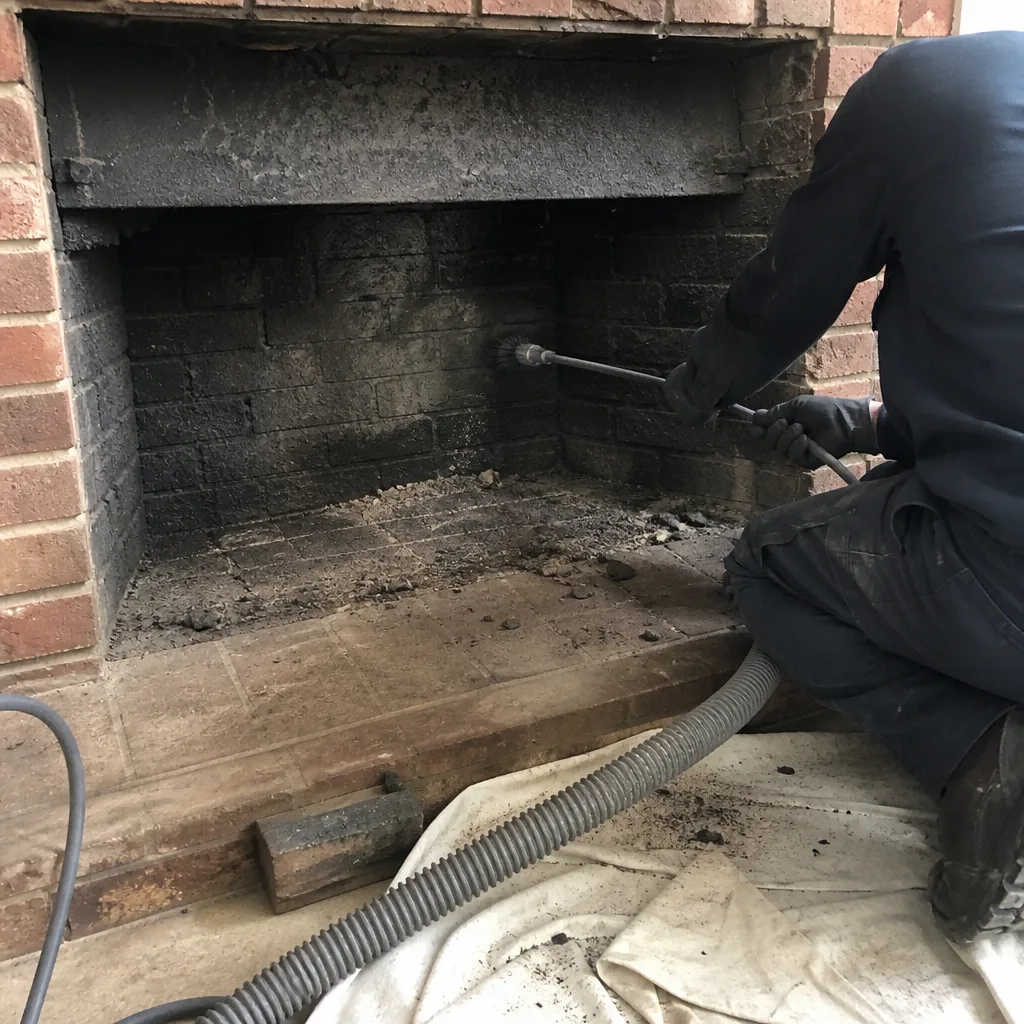
Level 1 sweep and inspection to the NFPA 211 annual standard - flue, crown, cap, and flashing checked and photographed
Chimney sweep logs do not sweep chimneys. They loosen some creosote - which then falls where a brush and vacuum still have to collect it.
Chimney Cleaning Cost Breakdown: The Nashville Homeowner’s Reference for 2026
A $79 chimney sweep special and a $299 professional sweep aren’t two prices for the same service. They’re two different scopes of work, and the gap between them is usually where the safety actually lives. The cheap version often means a brush down the flue with no camera, no inspection report, and no accountability for what’s hiding behind the smoke chamber. The professional version includes documentation you can hold in your hand. This guide breaks down what each line item on a Nashville chimney quote actually covers, how middle Tennessee homes affect the numbers, and how to spot a quote that’s priced to upsell rather than priced to clean. By the end you’ll be able to read any estimate and know exactly what you’re paying for.
Quick Answer
A standard chimney sweep in Nashville typically runs $150 to $350 for a single flue, depending on accessibility, creosote level, and whether the technician includes a Level 1 inspection with camera documentation. Add $100 to $250 for a Level 2 inspection when you’re buying a home, changing fuel types, or after a chimney fire. Repair work – relining, crown repair, repointing – is quoted separately after inspection and can range from a few hundred dollars for minor masonry work to several thousand for a full liner replacement.
Styles & brands we work with
- Sweep & inspection
- Caps & crowns
- Flue relining
- Masonry repair
- Gas fireplace service
Table of Contents
- What Are You Actually Paying For in a Chimney Sweep?
- Line-Item Cost Breakdown for Nashville Homeowners
- How Nashville Housing and Climate Affect Your Quote
- Creosote Stages and Why They Change the Price
- What a $79 Sweep Special Actually Excludes
- Repair Cost Benchmarks for Common Nashville Chimney Issues
- How to Budget Chimney Maintenance Over Several Years
- Common Mistakes to Avoid
- When to Call a Professional
- Frequently Asked Questions
What Are You Actually Paying For in a Chimney Sweep?
A chimney sweep removes creosote, soot, and debris from the firebox, smoke chamber, damper, and flue so the chimney can vent safely. That’s the working definition. The cost variance between quotes comes down to how thoroughly that definition gets applied and what gets documented along the way.
When we quote a sweep, the price reflects four separate activities, each with its own labor time:
- Setup and containment. Drop cloths, a sealed vacuum system, and proper protection for your hearth and flooring. This is not a two-minute step on a home with a raised hearth or an insert.
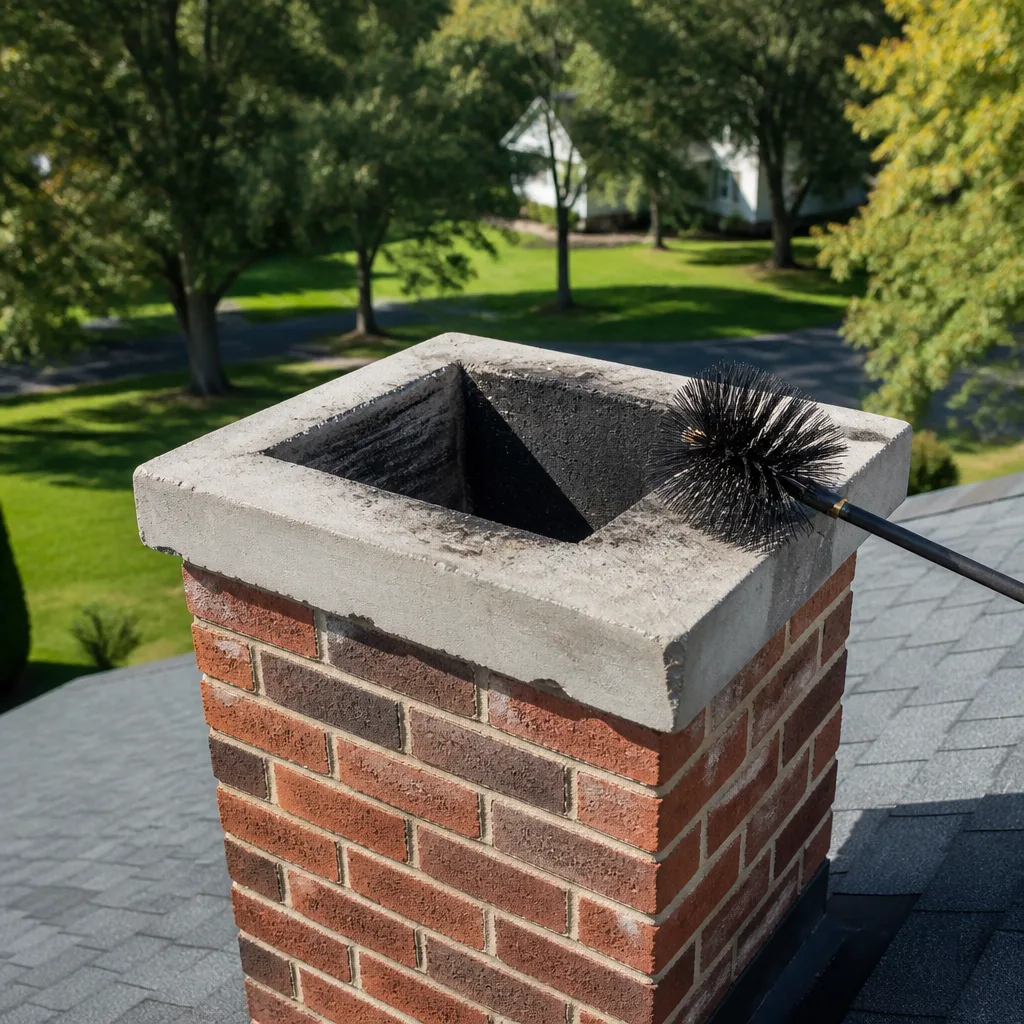
- Mechanical cleaning. Brushing the flue from the top down or bottom up depending on the configuration, plus scraping the firebox and smoke chamber where creosote glazes onto the surface.
- Inspection and documentation. A visual check of the flue interior, damper operation, cap condition, and crown, with photos in a report you keep.
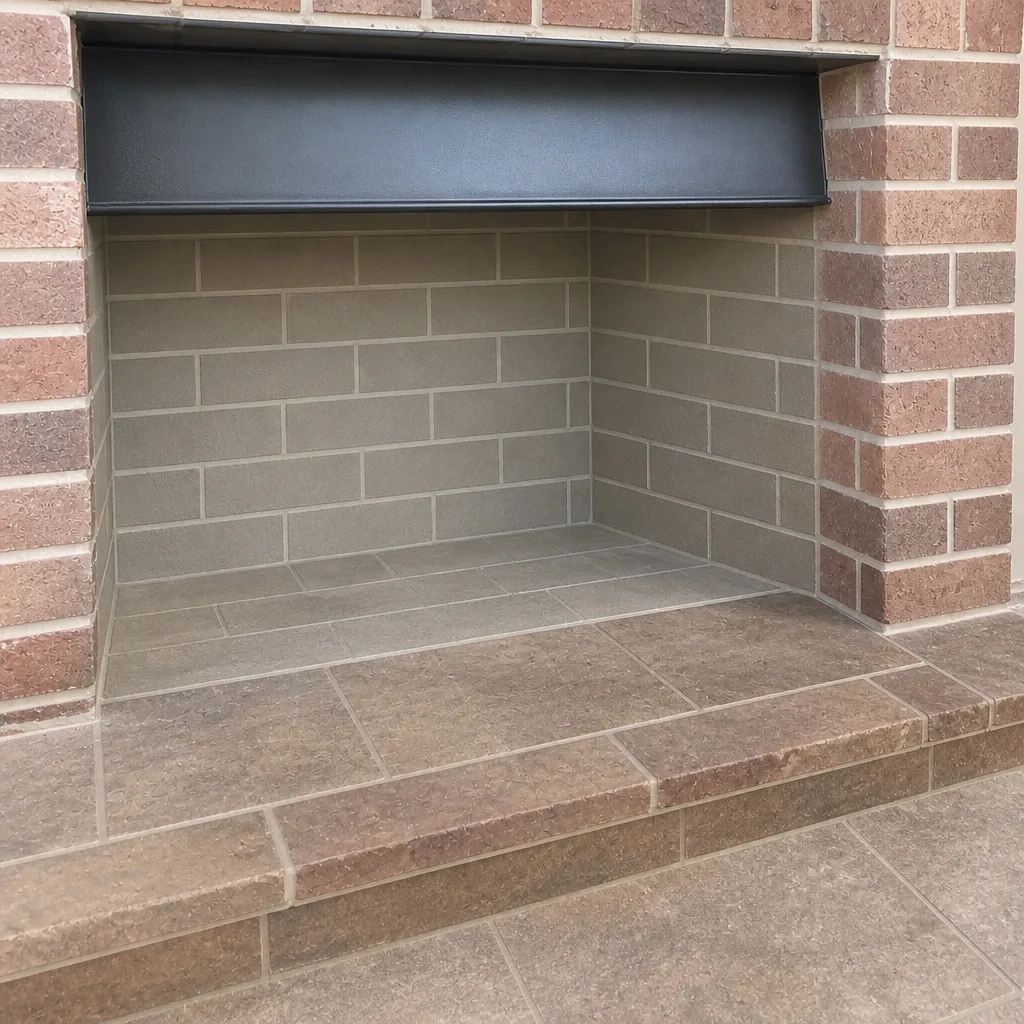
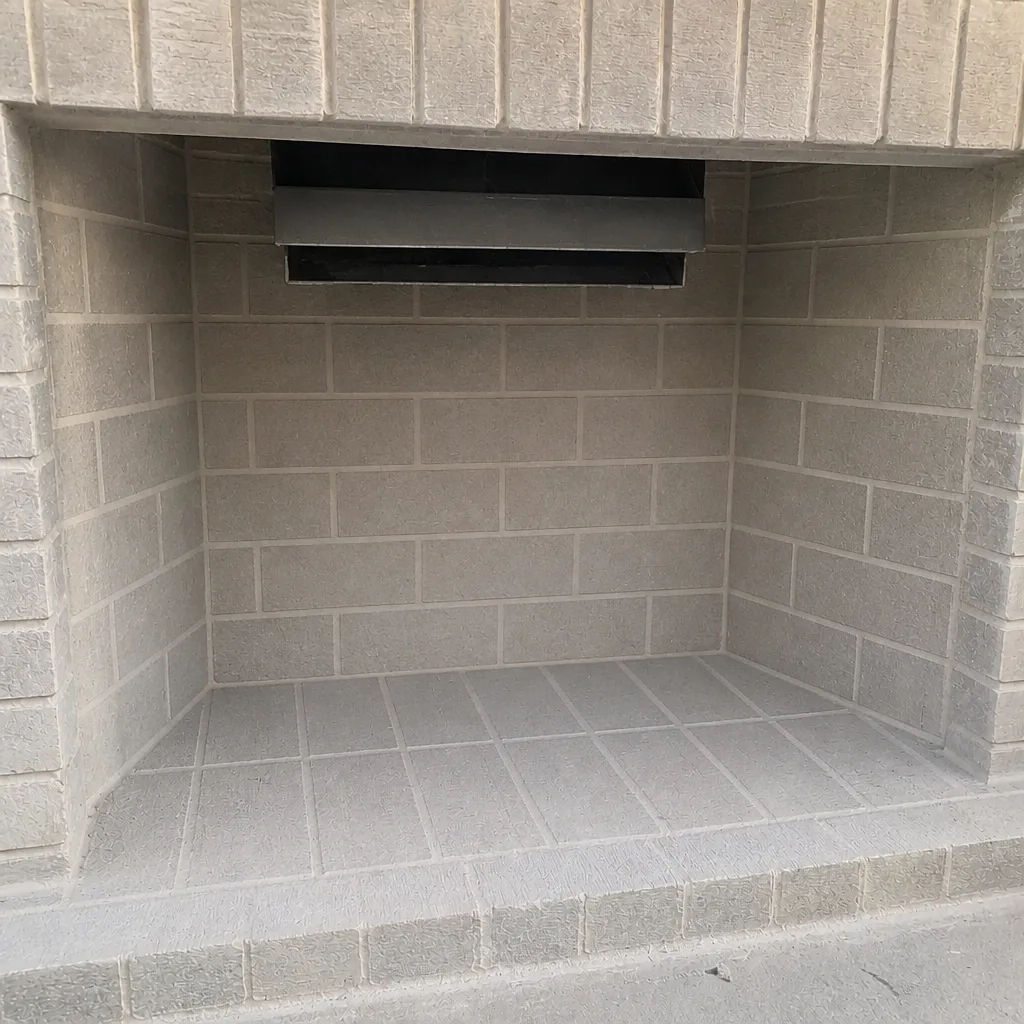
- Debris disposal and cleanup. Removing what was swept and leaving the firebox ready to use.
The single-flue sweep most Nashville homeowners need falls in that $150 to $350 range. Multi-flue homes, wood stoves, and inserts with tight clearances run higher because the labor time is longer and the access is harder. If your chimney hasn’t been touched in several seasons, expect the upper end of the range. The written estimate sets the final price after we see the configuration.
Line-Item Cost Breakdown for Nashville Homeowners
Here’s how a professional chimney quote breaks apart so you can compare apples to apples when you’re evaluating bids. Use these ranges as a reference point, not a fixed price list. Every house is different, and the on-site estimate is what counts.
| Line Item | Typical Nashville Range | What It Covers |
|---|---|---|
| Basic sweep (single flue) | $150 – $350 | Creosote removal, firebox cleaning, debris disposal |
| Level 1 inspection | Usually included with sweep | Visual check of accessible components, photos provided |
| Level 2 inspection | $100 – $250 additional | Camera inspection of the full flue, attic and chase access, written report |
| Level 3 inspection | Quoted per job | Opens concealed areas; needed only when a hazard is suspected |
| Creosote removal, Stage 2 | $80 – $200 additional | Heavier scraping and chemical treatment for glazed deposits |
| Creosote removal, Stage 3 | Quoted after assessment | Glazed, hardened creosote requiring rotary tools and extended labor |
| Camera inspection of liner | $75 – $200 | Recorded video, photo report, condition rating |
| Cap replacement | $150 – $400 | New cap, hardware, and fitting to your flue dimensions |
| Damper service or replacement | $100 – $350 | Repair of sticking dampers or installation of a top-sealing damper |
The camera inspection deserves its own line because it’s the one step that separates a real assessment from a guess. A sweep without camera documentation means nobody actually knows what the flue liner looks like. If a contractor wants to recommend relining without showing you the footage, ask to see it. You have a right to look at the evidence before you spend money on the repair.
The three inspection levels have standardized definitions in the trade. A Level 1 is visual and includes what’s accessible without tools. A Level 2 adds a camera run of the full flue and is the standard when a home changes hands, a fuel type changes, or a chimney fire is suspected. A Level 3 opens concealed areas and is reserved for cases where the earlier inspections found something that needs to be seen directly.
How Nashville Housing and Climate Affect Your Quote
Chimney pricing in Nashville isn’t the same as in a market full of new construction. The city has a deep stock of pre-1970 homes in neighborhoods like East Nashville, Inglewood, and the older streets of Hillsboro Village, many of which still have their original masonry chimneys. Older flues are more likely to show deteriorated mortar joints and clay tile liners that were never sized for a modern insert, so the inspection findings do more work and the quote reflects it.
Three Nashville-specific factors shift the price:
- Home age and original liner material. Clay tile liners common in mid-century Nashville homes crack over time. When the liner is compromised, the technician has to spend more time documenting it, and the conversation shifts from sweeping to relining options. HeatShield ceramic resurfacing restores a flue that’s structurally sound but worn at the joints, and it costs less than a full reline in many cases.
- Chimney configuration. An interior chase running up through the center of a single-story home is the easiest configuration to sweep. An exterior masonry chimney on a two-story house means more ladder work, more setup time, and a slower job. That’s labor hours, and labor hours are the largest line item on any sweep quote.
- Damp and freeze cycles. Middle Tennessee swings between wet winters and hot, humid summers. That cycle drives moisture into masonry and stresses the crown and flashing. A quote that includes crown inspection is doing you a favor; a quote that skips it is leaving a gap where water damage starts.
If you’re comparing chimney quotes across town, ask each contractor whether they’ve accounted for the chimney’s configuration and the home’s age. If a quote is identical for a 1950s East Nashville bungalow and a newer build in Franklin, something on that quote is a shortcut.
Creosote Stages and Why They Change the Price
Creosote is the residue left in the flue after wood burns, and it comes in three broadly recognized stages that require different levels of labor to remove. The stage determines whether a sweep is a routine job or a substantial one.
- Stage 1: soot and flaky deposits. A standard sweep with a brush removes this quickly. This is what regular annual cleaning keeps your flue at.
- Stage 2: hardened, crusty creosote. Brushing alone won’t fully get it off. The technician uses scrapers and sometimes a chemical treatment to break it loose. Adds labor time and cost.
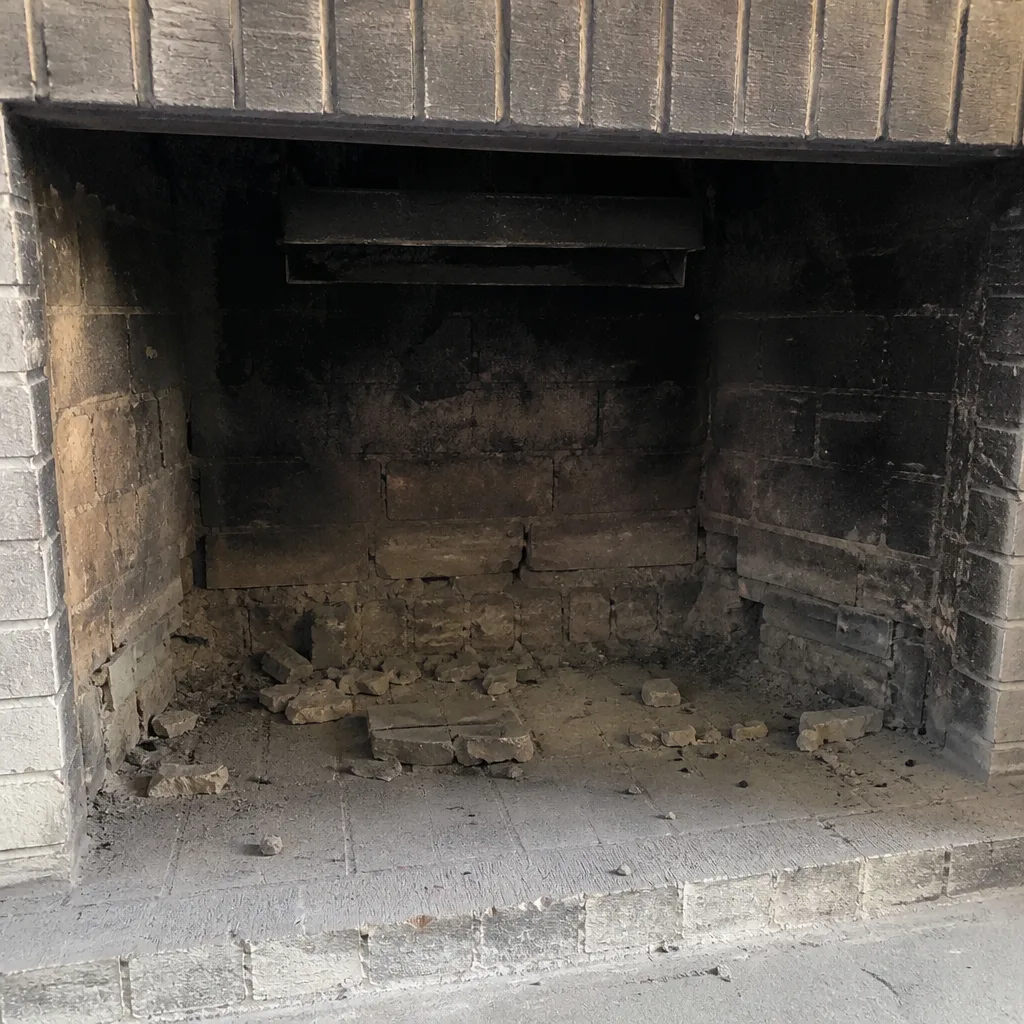
- Stage 3: glazed, tar-like creosote. This is the dangerous stage. It’s baked onto the flue wall, it’s fuel, and once it ignites you have a chimney fire. Removal takes rotary tools on a drill head and extended labor, and it’s often the point where a liner assessment becomes urgent.
We’ve seen what happens when a flue sits at Stage 3 through a couple of burning seasons without attention. A chimney fire can run hot enough to crack the flue tile, and a cracked flue lets carbon monoxide into the living space. That’s the reason we push annual inspections during the shoulder season: catching deposits at Stage 1 keeps the removal simple and the cost low, and it keeps the risk contained.
The takeaway for reading a quote: if the contractor quotes a flat sweep price without assessing creosote level, they haven’t seen your flue yet. The written estimate should state which stage they found and what the removal involves.
What a $79 Sweep Special Actually Excludes
A loss-leader sweep price is a marketing tool, not a service quote. The number gets you on the phone and into the schedule, and the profit comes from what the technician finds once they’re in your home. That’s a business model, not a scam in every case, but it changes how you should read the visit.
Here’s what a deeply discounted sweep typically leaves out:
- Camera inspection of the flue. Usually offered as an add-on at $75 to $200. Without it, nobody has actually seen the inside of the liner.
- Creosote stage assessment. The base price covers a light brush-down. Heavier removal for Stage 2 or 3 deposits gets quoted after the sweep starts.
- Written documentation. A one-page price sheet without photos isn’t an inspection report. Ask for pictures regardless of what you paid.
- Masonry and crown inspection. The flue is only part of the system. Cracked crowns and mortar joints are where water gets in and damage starts.
The upsell usually arrives mid-visit as a repair recommendation. Some are legitimate; some are not. The difference is whether the technician can show you the evidence. In our work, nothing gets recommended without a camera image the homeowner can look at themselves. If the flue looks healthy, we say so, and we tell you when a repair can safely wait a year or two. That’s the standard we hold ourselves to, and it’s the standard you should hold any contractor to.
Repair Cost Benchmarks for Common Nashville Chimney Issues
Repairs are where chimney costs rise fast and where an honest diagnosis matters most. Here are the common repair categories we see in middle Tennessee homes and the typical ranges attached to each. All estimates are per job and confirmed in writing after inspection.
Repointing (mortar joint repair)
Crumbling mortar between the bricks of an exterior chimney takes in water every rainstorm. Repointing means grinding out the failed mortar and replacing it. This is typically a few hundred to around $1,000 depending on how much of the chimney needs attention, and it prevents a much larger repair down the line. Catching it early is the whole game.
Crown repair or rebuild
The crown is the concrete cap on top of the chimney that sends water away from the masonry. A cracked crown is one of the most common findings on Nashville chimneys that have gone several seasons without an inspection. Repair runs roughly $250 to $600; a full rebuild is higher. Neither is a job to defer once the crack is visible.
Liner relining
When the flue liner is cracked, deteriorated, or incorrectly sized for the appliance connected to it, relining is the fix. We install DuraFlex flexible liner systems for full relining, and they handle both new installs and replacements on older flues. Relining is typically the most expensive item on a chimney repair quote, in the low-to-mid thousands for a straightforward single-flue job, and it’s the repair that most directly protects the home from carbon monoxide exposure. Don’t skip it if the inspection evidence shows a compromised flue.
HeatShield ceramic resurfacing
Not every damaged flue needs a full reliner. When the flue structure is sound but the inner surface has worn joints or minor deterioration, HeatShield ceramic resurfacing restores the integrity of the flue surface without a full reline. It’s a repair-grade material used by chimney specialists, and it’s a middle option between a sweep and a reline that a lot of quotes leave out simply because the contractor doesn’t carry the capability. Ask whether it applies to your flue before you accept a reline recommendation by default.
Cap and hardware replacement
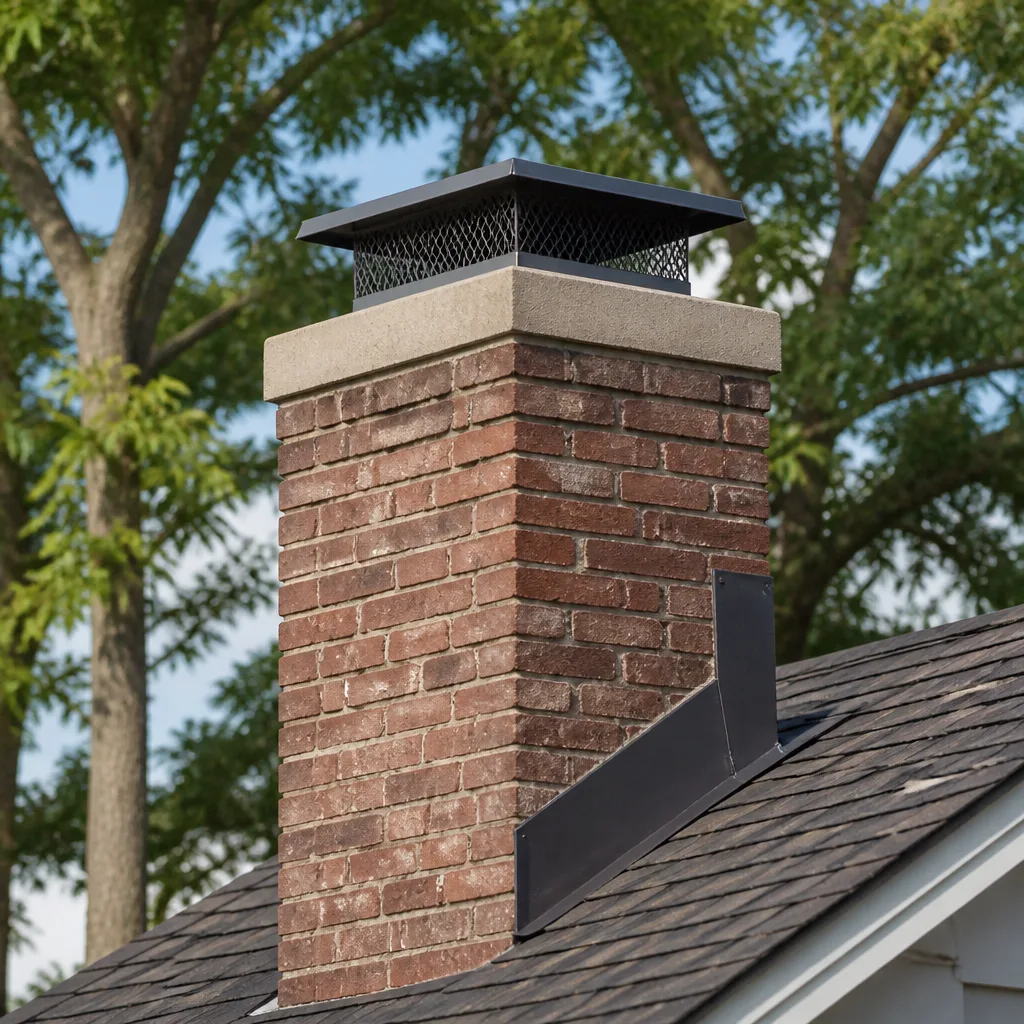
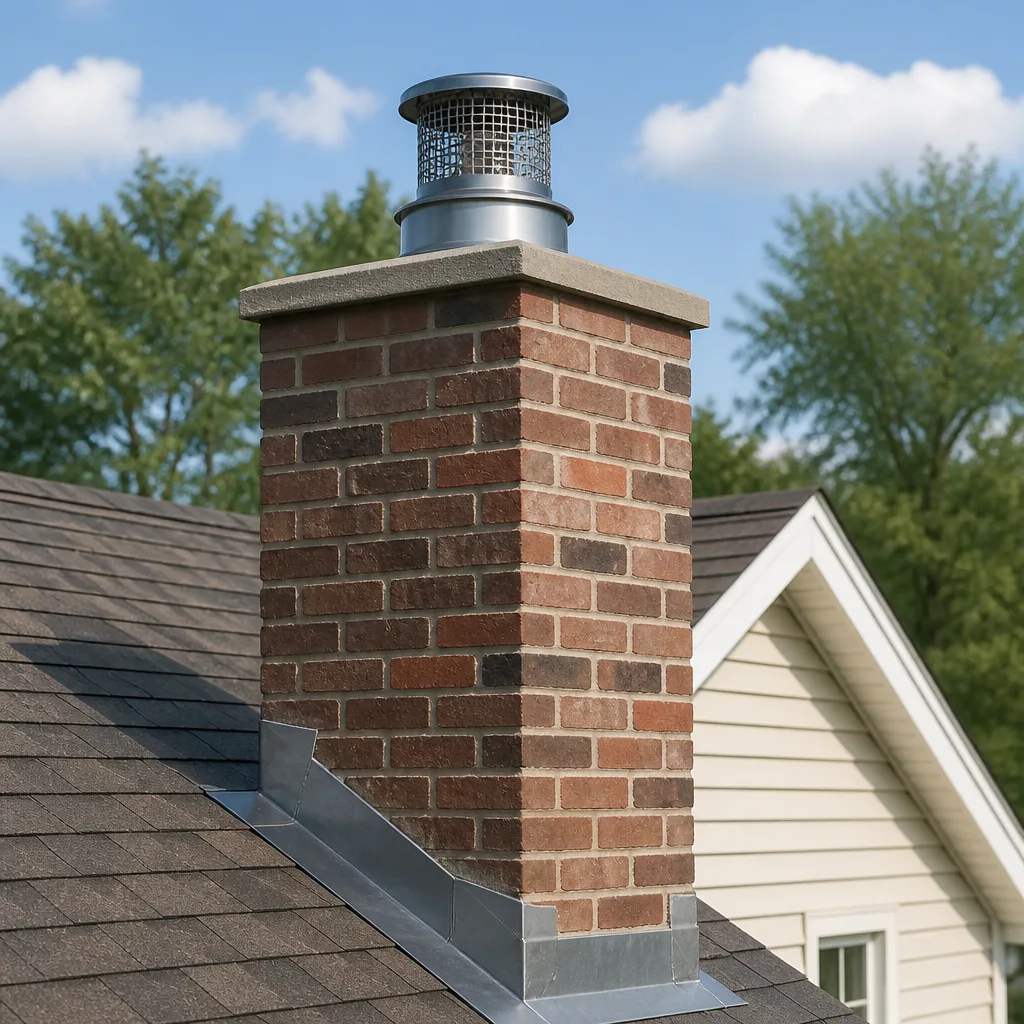
A chimney cap keeps rain, animals, and debris out of the flue. When it’s missing or damaged, everything downstream pays for it. We source caps and venting hardware from brands including Gelco and Olympia Chimney, matched to the flue dimensions and the draft performance your appliance needs. Replacement typically runs $150 to $400, and it’s one of the highest-value repairs per dollar on the list.
How to Budget Chimney Maintenance Over Several Years
Chimney costs are predictable if you plan them. They become expensive when they’re emergencies. A small annual spend keeps the flue clean and keeps small issues from compounding into liner replacements, crown rebuilds, or water damage that reaches the framing.
Here’s a simple structure to plan around:
- Year 1: Baseline inspection and sweep. Book a professional sweep with a camera inspection and keep the report. This sets the starting condition of the flue and gives you a reference for every year after. Budget in the $150 to $350 range for the sweep plus inspection.
- Years 2 through 5: Annual sweep and visual check. Plan a sweep once a year with a visual check of cap, crown, and flashing. Most homes need nothing more than the base sweep. Budget the same base range each year and set aside a small reserve for the once-every-few-years items: repointing, cap replacement, crown repair.
- Year 5 or when something changes: Full camera inspection. A Level 2 inspection every few years, or any time the fuel type changes, the appliance is replaced, or you suspect a chimney fire, gives you an updated picture of the liner. This is where a HeatShield resurfacing may come up as a less expensive alternative to relining, if the flue qualifies.
Plan the annual sweep during the shoulder season, before burning season begins. The chimney needs to be clean and inspected before the first fire, not after the first cold snap when the schedule fills. If you haven’t booked yet, that’s the call to make now.
Pair the chimney budget with dryer vent cleaning if you have a gas dryer. Lint accumulation in the vent is a real fire risk, and it’s the same fire-safety logic as the chimney. Getting both done on one visit keeps the annual spend predictable and the home safer.
Common Mistakes to Avoid
- Comparing bottom-line prices without comparing scope. A $79 sweep and a $299 sweep aren’t the same product. Ask each contractor what the price includes: camera inspection, written report, Level 1 inspection. Compare the line items, not the total.
- Skipping the camera inspection to save $100. The camera is the only way to see the liner condition. A sweep without documentation means nobody has assessed the thing that actually protects your home from carbon monoxide. That’s false economy.
- Accepting a reline recommendation with no evidence. Relining is sometimes necessary, but ask to see the camera footage first. Evidence you can look at is the standard. If the contractor can’t show it, get a second opinion.
- Ignoring the crown because the sweep looked fine. The crown fails slowly and quietly, then water gets in through the masonry. In Nashville’s wet-dry cycle, a cracked crown becomes a masonry repair within a season or two. Have it checked on every visit.
- Letting creosote build through multiple seasons. A flue cleaned annually rarely reaches Stage 3. A flue neglected for several seasons often does, and the removal cost climbs with it. Annual sweeps are the lowest-cost path.
- Treating dryer vent cleaning as optional. Lint buildup in a dryer vent is a fire risk, and a gas dryer adds carbon monoxide to the equation. It’s a safety service, not a housekeeping chore. Book it on the same visit.
- Choosing a contractor without repair capability. If the sweep company can’t handle repointing, crown work, or relining in-house, you’ll pay for two visits and two diagnostic fees. A full-service chimney specialist diagnoses and repairs on one scope.
When to Call a Professional
Call a professional when you haven’t had a sweep in the last 12 months of regular burning, when you’ve moved into a Nashville home with a fireplace of unknown history and no inspection report, or when you notice any sign of a chimney problem: a strong creosote smell, smoke spilling into the room, a cracked or missing cap, or staining on the masonry. Call immediately if you suspect a chimney fire has happened, even a small one; a flue can crack and leak carbon monoxide without any obvious sign. Call before installing an insert or stove so the liner can be checked and sized correctly. And call for dryer vent cleaning if you have a gas dryer and the vent hasn’t been cleaned recently. Nashville Chimney Cleaning offers free estimates in Nashville. Call (844) 405-8628. We answer 24/7. Fast dispatch from 7am to 7pm, Sunday through Friday.
Our technicians have up to 9 years of experience across sweeping, dryer vent cleaning, and structural chimney repair. For a broader look at the chimney services we offer across middle Tennessee, start with our Nashville Chimney Cleaning hub page or browse the neighborhood guides at our Nashville city page.
Frequently Asked Questions
A standard single-flue sweep in Nashville typically runs $150 to $350, which includes creosote removal, a visual inspection, and photo documentation. Camera inspection of the liner adds $75 to $200. The written estimate after an on-site assessment sets the final price. Call (844) 405-8628 for an exact quote; estimates are free.
A Level 1 is a visual check of accessible components and usually comes with a sweep. A Level 2 adds a camera inspection of the full flue and is what you want when buying a home, changing fuel types, or after a suspected chimney fire. A Level 3 opens concealed areas and is only needed when the earlier inspections found something that requires direct viewing. Most Nashville homeowners need a Level 1 with their annual sweep and a Level 2 every few years or when something changes.
Only if the inspection evidence shows the existing liner is cracked, deteriorated, or incorrectly sized for the appliance connected to the flue. Ask to see the camera footage before you accept a relining recommendation; that’s the standard we hold ourselves to. Sometimes HeatShield ceramic resurfacing restores a worn flue without a full reline. Call (844) 405-8628 for an assessment with camera documentation you can review yourself.
Once a year during regular burning, and before the first fire of the season if it’s been longer than that. Annual sweeps keep creosote deposits at Stage 1, which is the cheapest and safest condition. A flue that’s gone several seasons without attention often reaches Stage 2 or 3, and the removal cost rises accordingly. Book in the shoulder season to avoid the pre-winter rush.
Creosote accumulates, and at Stage 3 it’s glazed fuel on the flue wall that can ignite into a chimney fire. A chimney fire can crack the flue tile, and a cracked flue lets carbon monoxide into the living space. That’s the real reason for annual attention, not seasonal tidiness. Call (844) 405-8628 to book a sweep before burning season.
No, they’re separate services with separate pricing, though both are fire-safety work and can be booked together. Lint accumulation in a dryer vent is a genuine fire risk, and a gas dryer adds carbon monoxide to the equation. We handle dryer vent cleaning as a core service, not an afterthought. Call (844) 405-8628 for pricing on both.
The Bottom Line
Chimney cleaning cost in Nashville follows a logic you can read: sweep price plus inspection depth plus creosote stage plus any repair the evidence justifies. A low advertised price usually means some of that scope is missing, and the missing part is often the safety documentation. Compare line items rather than bottom lines. Ask for camera footage before any relining recommendation. Plan an annual sweep and a periodic Level 2 inspection so the spend stays predictable instead of emergency-driven. And remember that the chimney and the dryer vent share the same fire-safety logic, which is why both are worth putting on the annual calendar. If you want a straight estimate with the evidence attached, call (844) 405-8628 for a free estimate. We answer 24/7. Fast dispatch from 7am to 7pm, Sunday through Friday.
For related reading, see our chimney sweep page for what a sweep visit involves, and our dryer vent cleaning page for the fire-safety side of lint and venting.
Written by the team at Nashville Chimney Cleaning.
See the difference
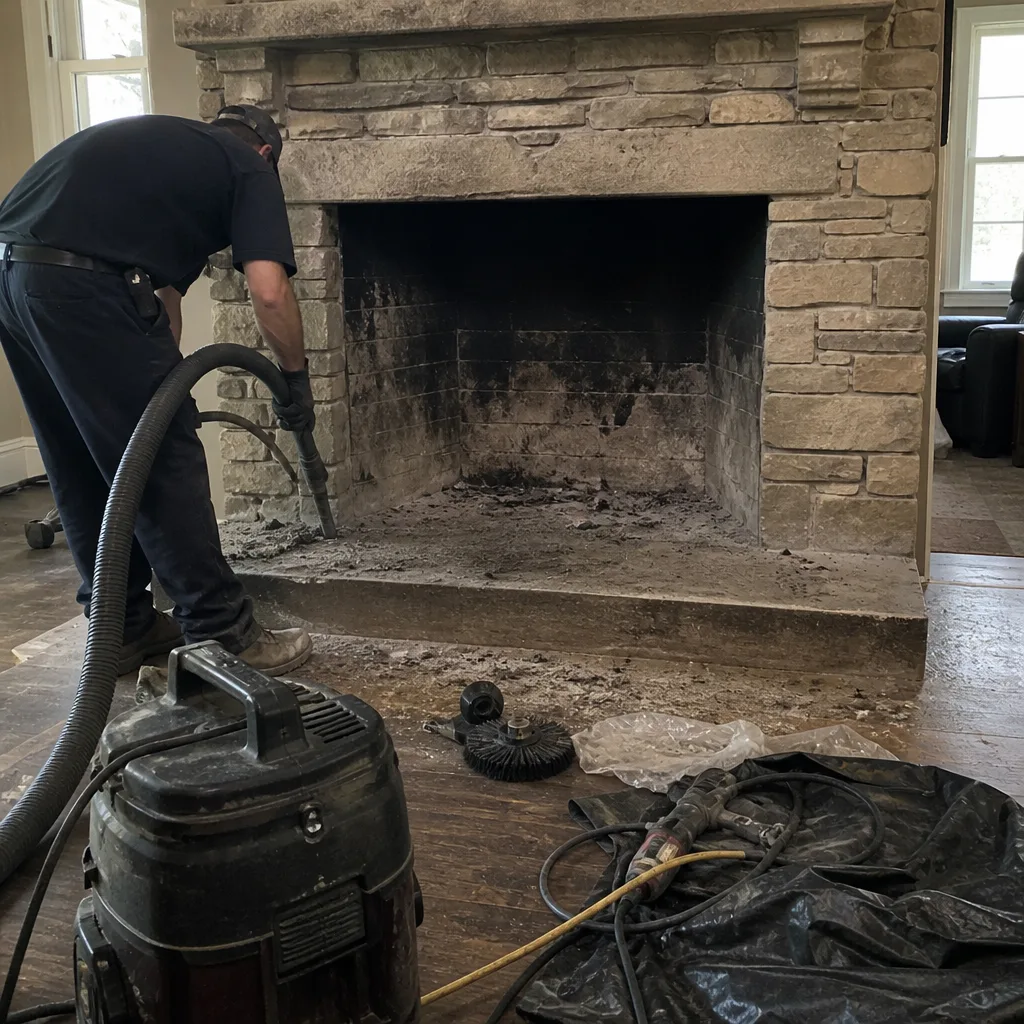 Before
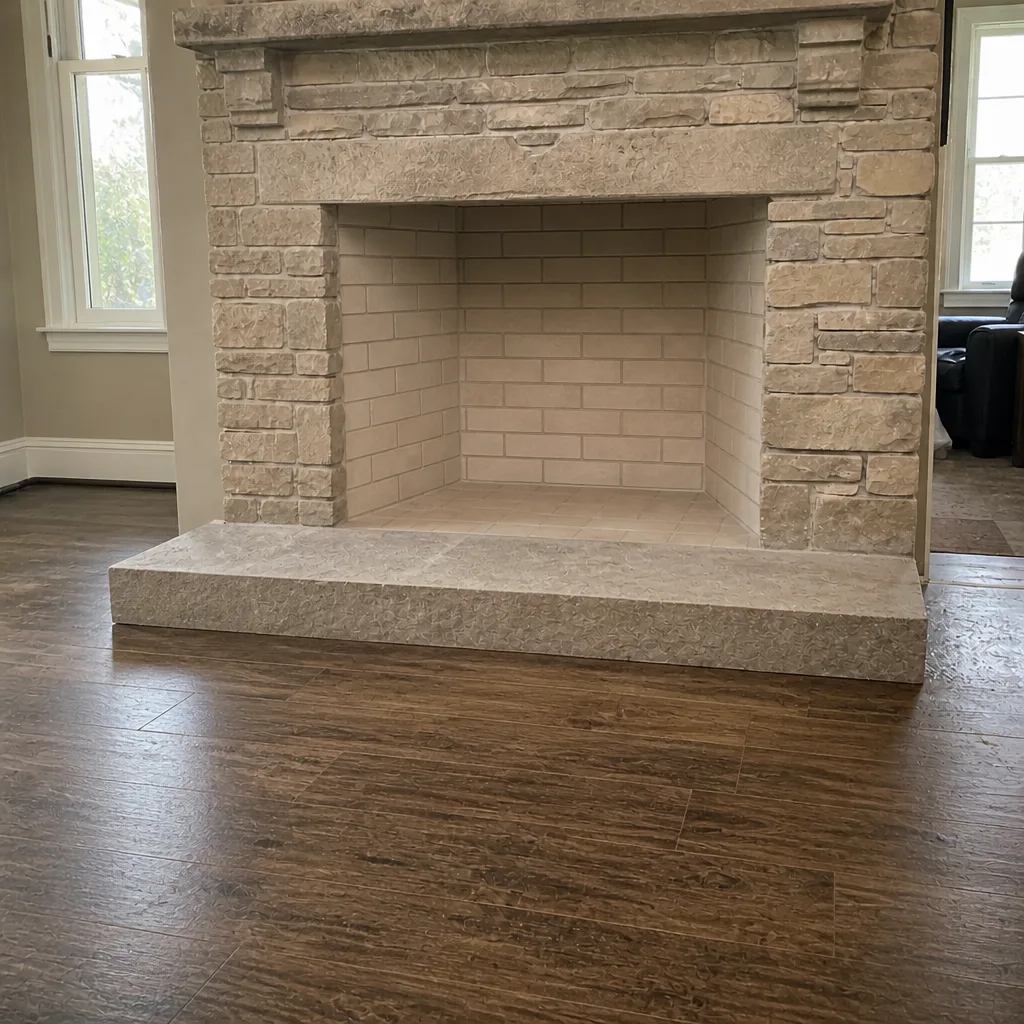 After
 Before
 After
 Before
 After