
Last updated November 14, 2026
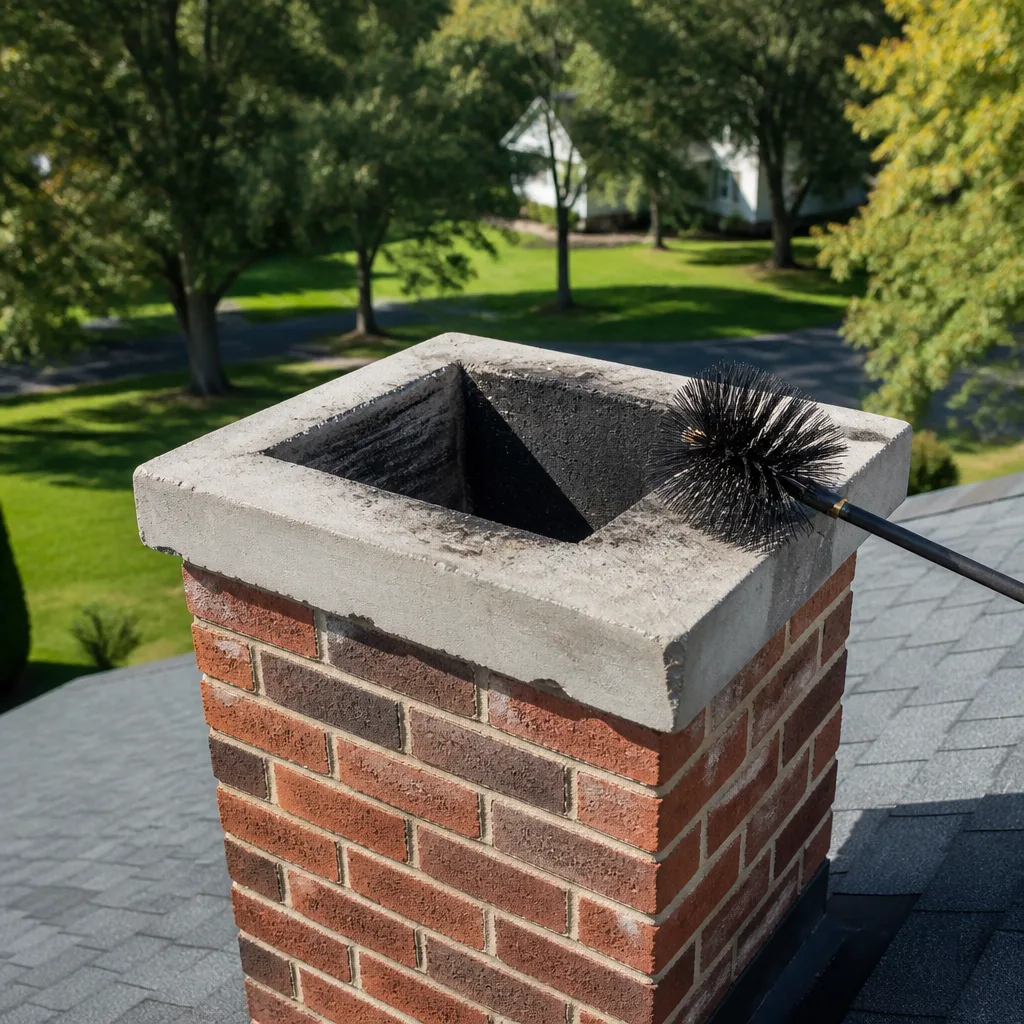 Sweep & inspection
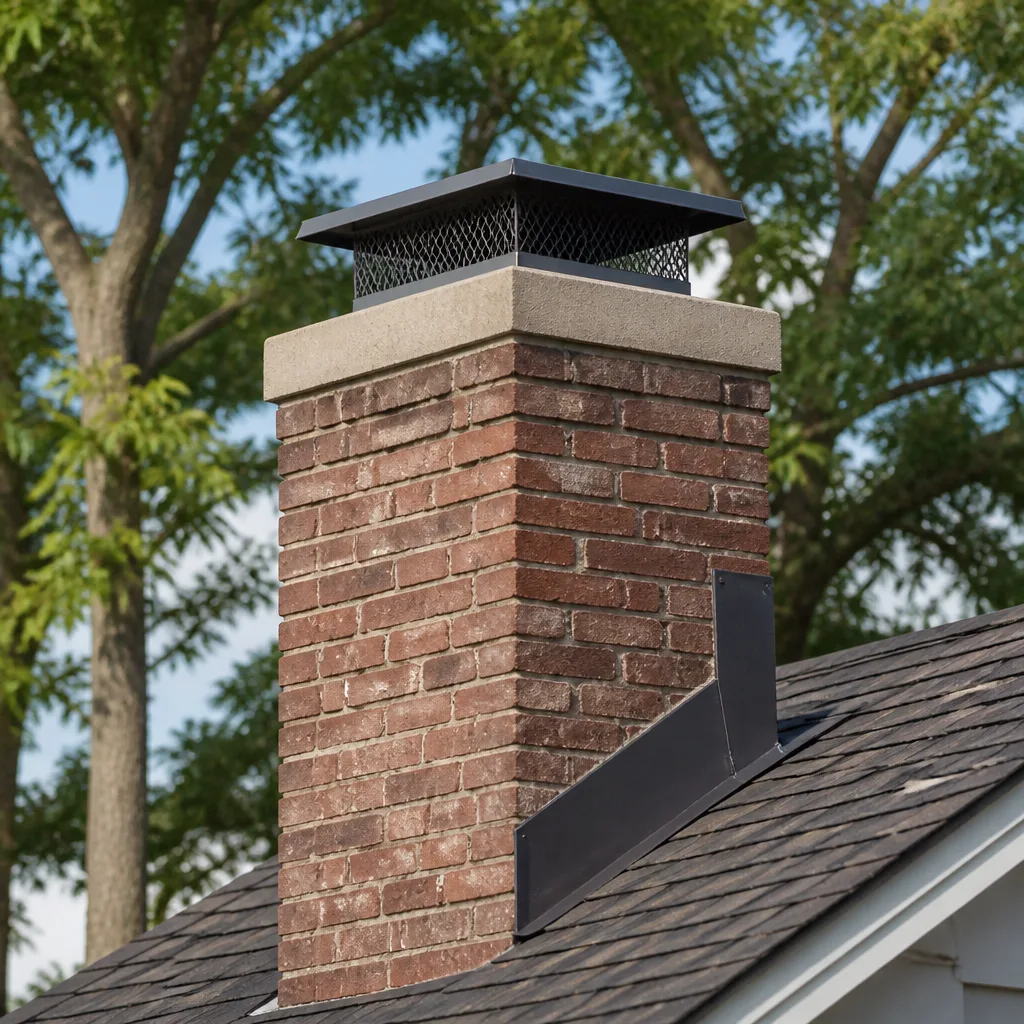 Caps & crowns
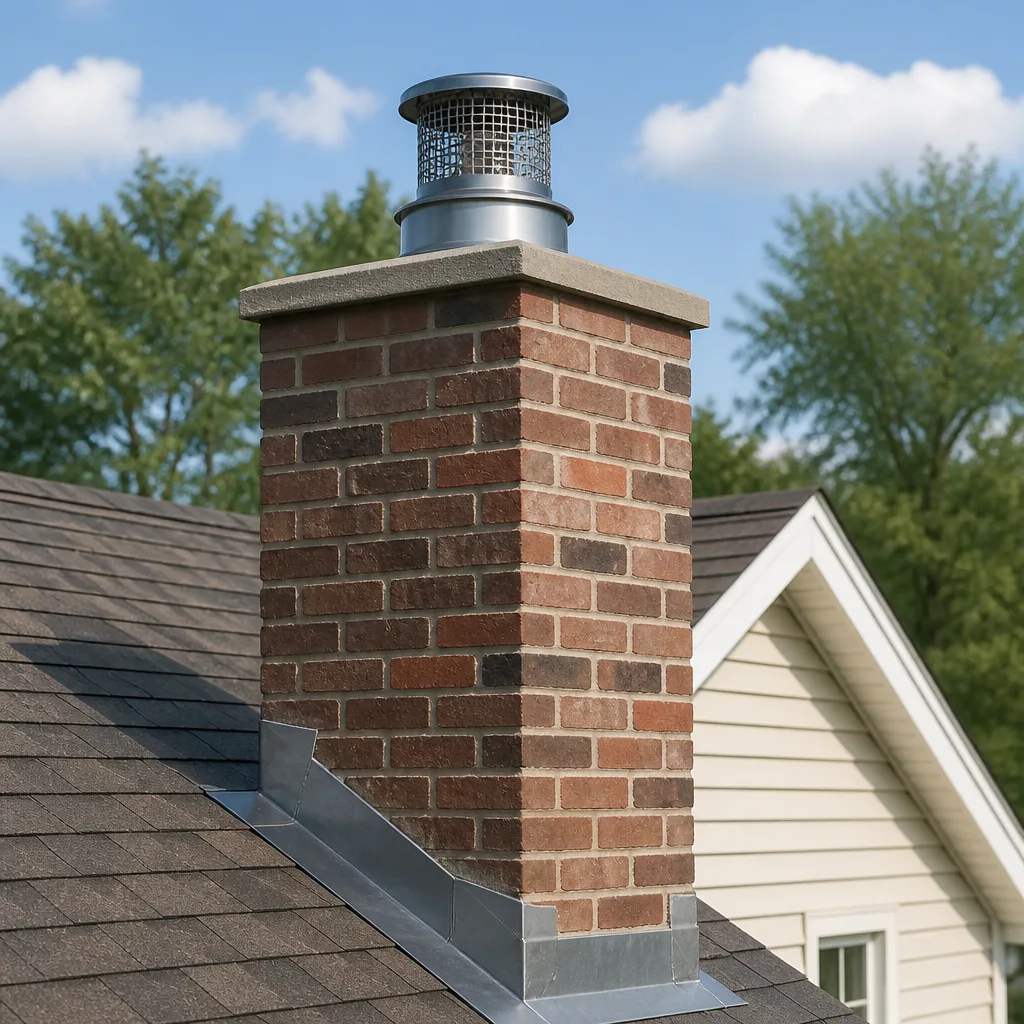 Flue relining
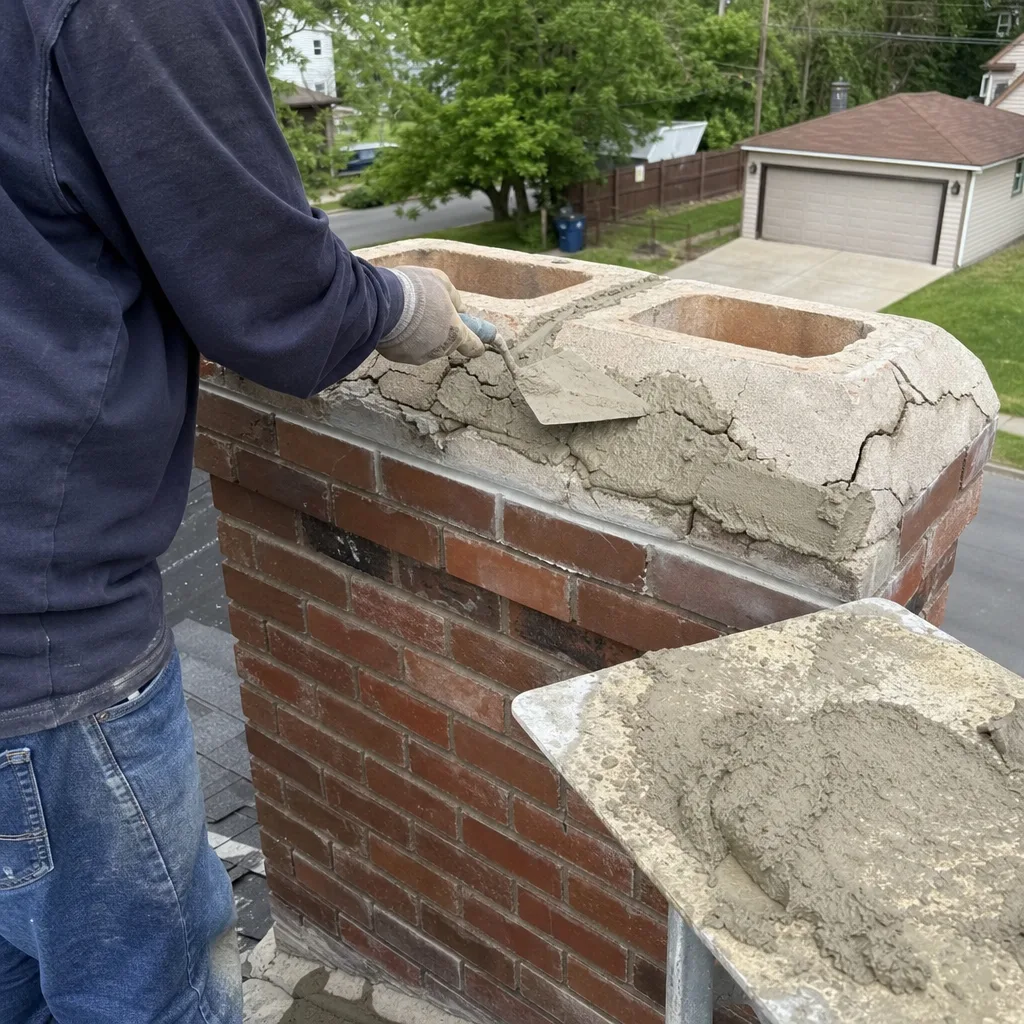
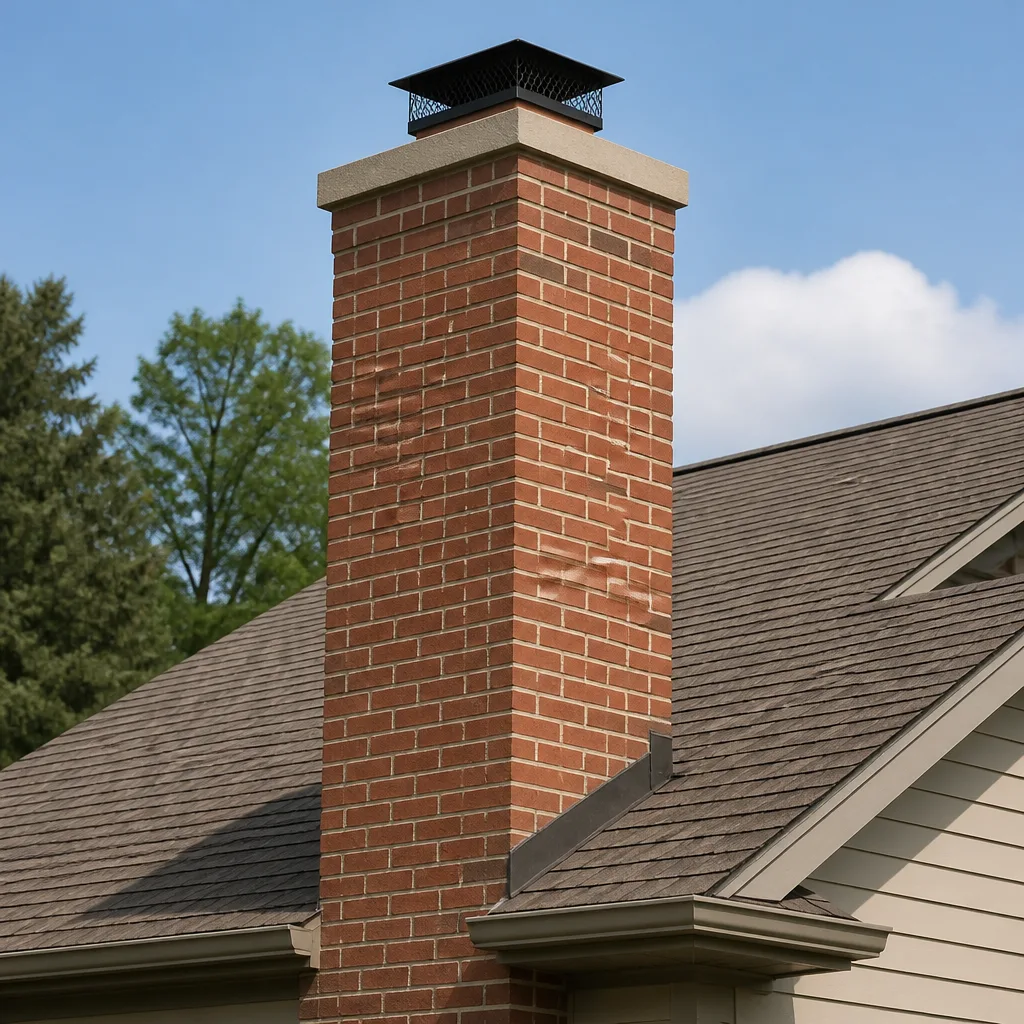 Masonry repair
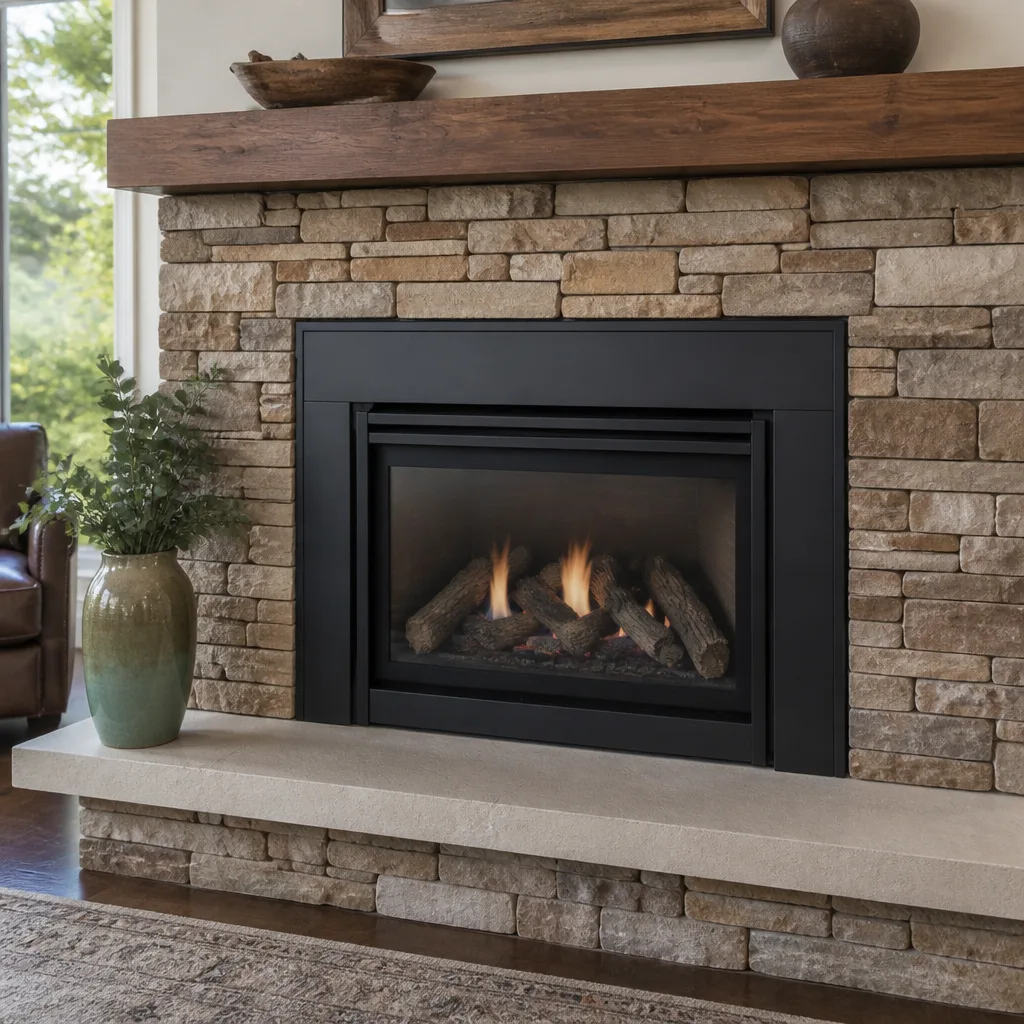 Gas fireplace service
Level 1 sweep and inspection to the NFPA 211 annual standard - flue, crown, cap, and flashing checked and photographed
Chimney sweep logs do not sweep chimneys. They loosen some creosote - which then falls where a brush and vacuum still have to collect it.
DIY vs Professional Chimney Cleaning: The Nashville Homeowner’s Decision Guide
Most mechanically competent homeowners can physically brush a flue. That’s the uncomfortable truth the industry rarely admits out loud. The real question isn’t whether you’re capable of running a brush up a chimney – it’s whether brushing alone gives you the information you actually need about what’s happening inside it. Brushing your own flue without a camera inspection is like changing your own oil without checking any of the other fluid levels: you’ve done a maintenance task, but you haven’t done maintenance. This guide draws a clear line between what homeowners can legitimately handle and where amateur intervention creates the exact risk it was meant to eliminate, with context specific to Nashville’s older housing stock.
Quick Answer
DIY chimney cleaning is reasonable only for a light, easily accessed flue you can inspect by eye, on a fireplace with no history of problems and no signs of creosote glazing or structural wear. For anything beyond that – and that covers most older Nashville homes – professional cleaning is the safer and usually cheaper choice, because a professional sweep includes a condition assessment a brush alone can’t deliver. A chimney sweep removes debris and tells you what the flue actually looks like inside.
Styles & brands we work with
- Sweep & inspection
- Caps & crowns
- Flue relining
- Masonry repair
- Gas fireplace service
Table of Contents
- Cleaning vs Inspection: The Distinction That Changes Everything
- The Equipment Gap: What a Professional Brings That You Can’t
- When DIY Is Genuinely Reasonable
- When DIY Introduces Real Risk
- The Hidden Cost of a DIY Sweep
- Why Nashville’s Older Housing Stock Raises the Stakes
- What a Professional Sweep Actually Includes
- Common Mistakes to Avoid
Cleaning vs Inspection: The Distinction That Changes Everything
Chimney cleaning and chimney inspection are two different jobs, and the confusion between them is the root of most DIY regrets. Cleaning is mechanical: it removes creosote, soot, and debris from the flue. Inspection is diagnostic: it evaluates the condition of the flue liner, the firebox, the damper, the cap, and the joints between flue tiles. A brush does the first job. It tells you nothing about the second.
This matters because the dangerous failure modes in a chimney are rarely about how much soot is sitting in it. They’re about what the flue itself looks like. A cracked tile, a separated joint, a deteriorated mortar crown, or a liner that has pulled away from the wall can all let combustion gases, including carbon monoxide, escape into the house even when the flue is spotlessly clean. You can brush a chimney perfectly and still have a serious hazard.
That’s why a professional sweep is built around the inspection. When we service a home in Nashville, the brush run is only half the visit. The other half is looking at what came down, looking up the flue with a camera, and confirming what the firebox and damper look like. The homeowner gets a report, not just a clean flue.
For a DIY homeowner, the honest summary is this: if you brush your own chimney, you’ve cleaned it. You have not inspected it. Those are not the same thing, and only one of them protects your household.
The Equipment Gap: What a Professional Brings That You Can’t
A homeowner can buy a brush, rods, and a shop vacuum for less than one professional sweep, and that’s a real advantage worth acknowledging. But there’s a category of equipment that doesn’t fit in that budget, and it’s the equipment that turns a cleaning into a diagnosis.
- CCTV camera and monitor. A compact camera on a flexible lead travels the full length of the flue and shows the liner interior in real time. It reveals cracks, gaps, misaligned tiles, and the condition of the flue at the smoke chamber, which is the part you can’t see from either end.
- Creosote classification materials. Creosote isn’t one substance. It ranges from light, flaky soot to hard, glazed, tar-like deposits that a standard brush will not remove. Distinguishing the stages requires both training and the right tools, including chemical treatments and rotary cleaning heads for the stubborn stages.
- Draft testing tools. Smoke pencils and manometers measure whether the flue is drawing properly. A chimney that looks clean but drafts poorly will spill smoke and gases into the room, and no brush will catch that.
- Rotary cleaning equipment. For glazed creosote, standard brushes just skate over the surface. Rotary whips and chains, run on a controlled drill, actually cut it back. This is the equipment most DIY sweeps simply don’t have.
- Drop cloths, HEPA filtration, and containment. Soot gets everywhere if it isn’t contained. Professional setups keep the room clean while the flue is being worked.
The gap isn’t about a homeowner being unable to brush a flue. It’s about a homeowner being unable to see what’s inside one, and seeing is what makes a sweep a real maintenance visit rather than a ritual.
When DIY Is Genuinely Reasonable
There are honest cases where a homeowner can reasonably handle their own chimney maintenance. We’d rather say so than pretend every home needs professional service on a schedule. DIY is reasonable when all of the following are true:
- The fireplace or wood stove has been used lightly, with well-seasoned wood, and the flue shows only light, flaky soot.
- The flue is straight, vertical, and easily accessed from the roof with safe footing and the right ladder setup.
- You have a flashlight and can see the full length of the flue and the smoke chamber reasonably well.
- There’s no history of smoke backing up, no visible cracks in the firebox, and no signs of water intrusion around the crown or cap.
- The chimney has been professionally inspected at least once, so you have a baseline for what “normal” looks like.
Even in these cases, the DIY option is a stopgap, not a replacement for periodic professional inspection. A homeowner brushing a clean flue is doing minor upkeep. A homeowner brushing a flue that has a hidden problem is cleaning a chimney that still needs repair, and doesn’t know it.
If you’re in the Nashville area and you’re not sure which column your home falls into, a professional evaluation is the fastest way to find out. That’s a reasonable place to spend the money once, rather than guessing every season.
When DIY Introduces Real Risk
Several conditions turn a reasonable DIY project into a genuine hazard. If any of these describe your chimney, the work belongs with a trained professional:
- Glazed or tar-like creosote. Stage-three creosote is dense, hardened, and highly flammable. A standard brush doesn’t remove it, and a homeowner who thinks they’ve cleaned the flue may have left the most combustible layer in place. Glazed creosote is the fuel source behind most chimney fires.
- A flue with visible cracks, gaps, or missing mortar. Brushing a damaged flue can dislodge loose material, and it doesn’t address the underlying defect. Cracked tiles can allow gases to escape into the wall cavity or attic.
- A prefabricated or metal flue with an uncertain liner. Many Nashville homes have a metal insert flue or a factory-built fireplace where the liner condition matters a great deal. Brushing a compromised liner can worsen it.
- Any sign of water intrusion. A rusted or water-stained flue usually points to a failed crown, cap, or flashing, and brushing it changes nothing about the leak.
- Any history of smoke roll-out, smell, or draft problems. A brush can’t diagnose draft issues, and cleaning a poorly drafting flue doesn’t fix it.
The pattern is consistent: DIY is safe when the only question is “is there soot in the flue?” and unsafe when the real question is “is the flue itself sound?” Only one of those questions can be answered with a brush.
The Hidden Cost of a DIY Sweep
DIY chimney cleaning isn’t free, but the cost usually shows up later. Three things tend to happen when a homeowner brushes a flue without professional inspection, and none of them are visible on the day of the sweep.
First, glazed creosote gets missed. A standard brush passes right over it, and the homeowner assumes the flue is clean. The deposits stay, the fire risk stays, and the eventual remediation is more involved than a routine sweep would have been. What could have been a routine cleaning becomes a rotary job with chemical treatment.
Second, structural problems get deferred. A hairline crack in a flue tile noticed in year one is a straightforward repair, often addressed with HeatShield ceramic resurfacing that restores the flue’s integrity without a full liner replacement. The same crack found three years later, after the surrounding mortar has deteriorated, may need a DuraFlex liner. The gap between the two outcomes is the cost of not having looked.
Third, a homeowner can damage the flue. A brush run too aggressively, a rod that bends or dislodges a tile, or a firebox wall scraped by the end of a rod are all common outcomes. These are entirely preventable when someone trained handles the work.
The comparison, then, isn’t “professional sweep cost vs. brush and rods cost.” It’s “professional sweep cost vs. the cost of what a DIY sweep failed to catch.” In our experience, that second number is almost always the larger one.
Why Nashville’s Older Housing Stock Raises the Stakes
Nashville’s housing stock isn’t uniform, and that variability is exactly why DIY misclassification matters more here than in a market full of newer homes. A sweep in Nashville often means working on a house built anywhere from the early twentieth century to the last decade, and the chimney systems reflect that spread.
Older homes in neighborhoods like East Nashville, 12South, and Inglewood frequently have masonry chimneys with legacy liner materials, non-standard flue dimensions, or original tile liners that have been patched over the decades. Fireplace openings were sometimes modified – a hearth widened, a firebox reworked, a gas insert dropped into a wood-burning flue – and those modifications don’t always match the flue’s original design. A homeowner brushing that chimney has no way to tell whether the flue is correctly sized for the appliance that’s now connected to it.
Newer construction in areas like Green Hills and the suburbs often brings factory-built fireplaces and metal flue systems, where the liner material and clearances matter every bit as much. Those systems have their own failure modes, and they don’t announce themselves.
Add Nashville’s humidity and the seasonal shifts between humid summers and cold winters, and you get a climate that’s hard on masonry. Freeze-thaw cycles work on the crown and the mortar joints. Water finds its way in, and the damage often starts at the top of the flue and works down. A brush doesn’t look at the crown. It doesn’t check the cap.
All of this adds up to a simple point: in Nashville, a chimney’s condition can’t be assumed from the fact that it looks clean from the firebox. It has to be looked at, and looked at with the right tools.
What a Professional Sweep Actually Includes
Here’s what a professional chimney sweep looks like, so you can compare it honestly to what a DIY sweep delivers:
- A condition assessment first. Before any brush goes up the flue, the technician checks the firebox, damper, smoke chamber, crown, cap, and flashing for signs of damage or water intrusion.
- Containment. Drop cloths and HEPA filtration keep soot out of the living space while the flue is worked.
- Brush and rotary cleaning sized to the flue. The right brush for the flue’s dimensions, plus rotary equipment for any glazed deposits a standard brush can’t touch.
- Camera inspection. A CCTV camera run through the flue shows the liner interior, including the smoke chamber, so the technician can confirm what the brush couldn’t.
- Draft verification. A smoke test confirms the flue is drawing properly and hasn’t been affected by a change in the home or the appliance.
- A report of findings. Any problems found are documented with photos and explained in plain language, along with whether the repair can safely wait.
If a repair is needed, in-house capability matters. We handle chimney repair directly rather than subcontracting it, and we work with the professional-grade materials the trade uses: HeatShield for ceramic resurfacing, DuraFlex for liner replacement, and products from Gelco, Olympia Chimney, Famco, and Copperfield for caps, covers, and venting hardware. That means a problem found during a sweep can be explained, scoped, and usually scheduled without sending the homeowner to a second vendor.
Dryer vent cleaning belongs in the same conversation. A clogged dryer vent is a leading cause of residential house fires, and it gets treated as a housekeeping task far too often. It’s a safety service, and a chimney specialist who handles venting systems is well positioned to address it. You can read more about that work on our dryer vent cleaning page.
Common Mistakes to Avoid
- Assuming a clean-looking firebox means a clean flue. Soot and creosote collect higher up, and the firebox tells you almost nothing about the flue’s condition. A flashlight pointed up the flue is a starting point, not an answer.
- Brushing over glazed creosote and calling it clean. Hard, tar-like creosote doesn’t respond to a standard brush. Assuming it’s gone because the flue looks lighter is one of the most common and most dangerous DIY errors.
- Ignoring the crown and cap. In Nashville’s humidity and freeze-thaw cycles, a cracked crown is often the start of water intrusion that damages the flue from the top down. A sweep that doesn’t check the top of the chimney hasn’t checked the chimney.
- Cleaning a flue you haven’t had inspected. Without a baseline inspection, you have no idea whether the flue is sound, especially in older East Nashville and Inglewood homes with legacy liner materials or modified fireplace openings.
- Getting on a roof without the right setup. Roof access is where a lot of DIY chimney injuries happen. If the pitch, the height, or the weather makes footing uncertain, the job belongs with someone who has the equipment and training to do it safely.
- Treating dryer vent cleaning as a housekeeping job. Lint accumulation in a vent is a fire hazard, not a chore. It deserves the same attention as the chimney, and it’s easy to put off until the appliance itself shows a problem.
- Skipping professional inspection because the flue was “just cleaned.” The cleaning is the maintenance task. The inspection is the maintenance. They’re not interchangeable, no matter who did the brushing.
See the difference
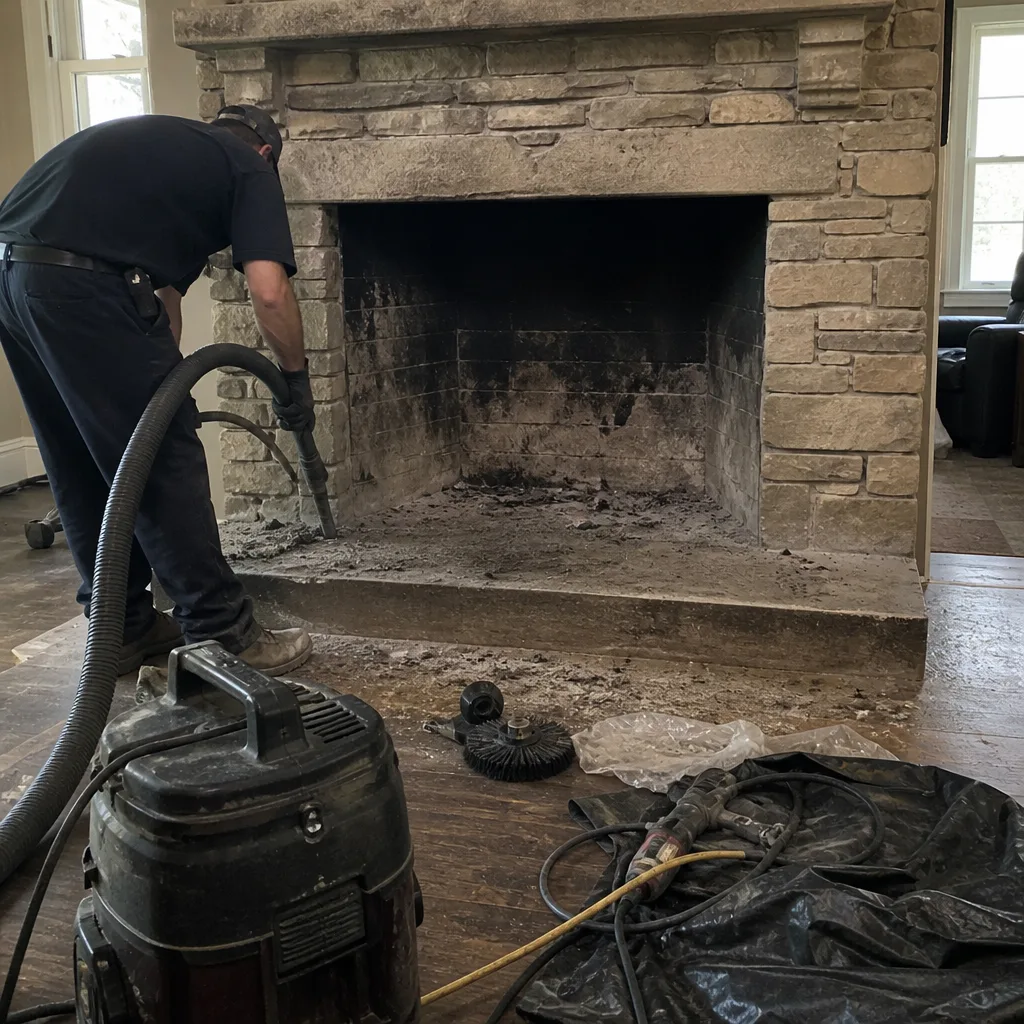 Before
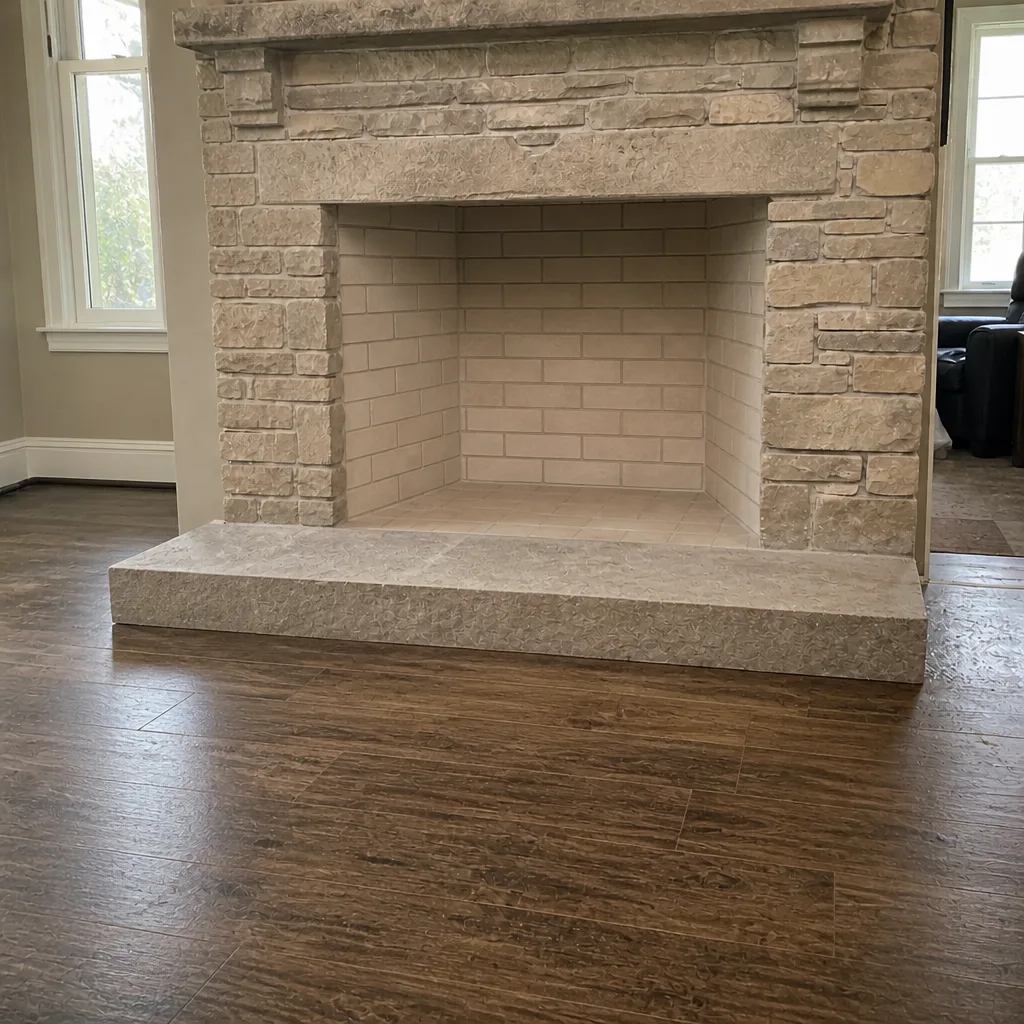 After
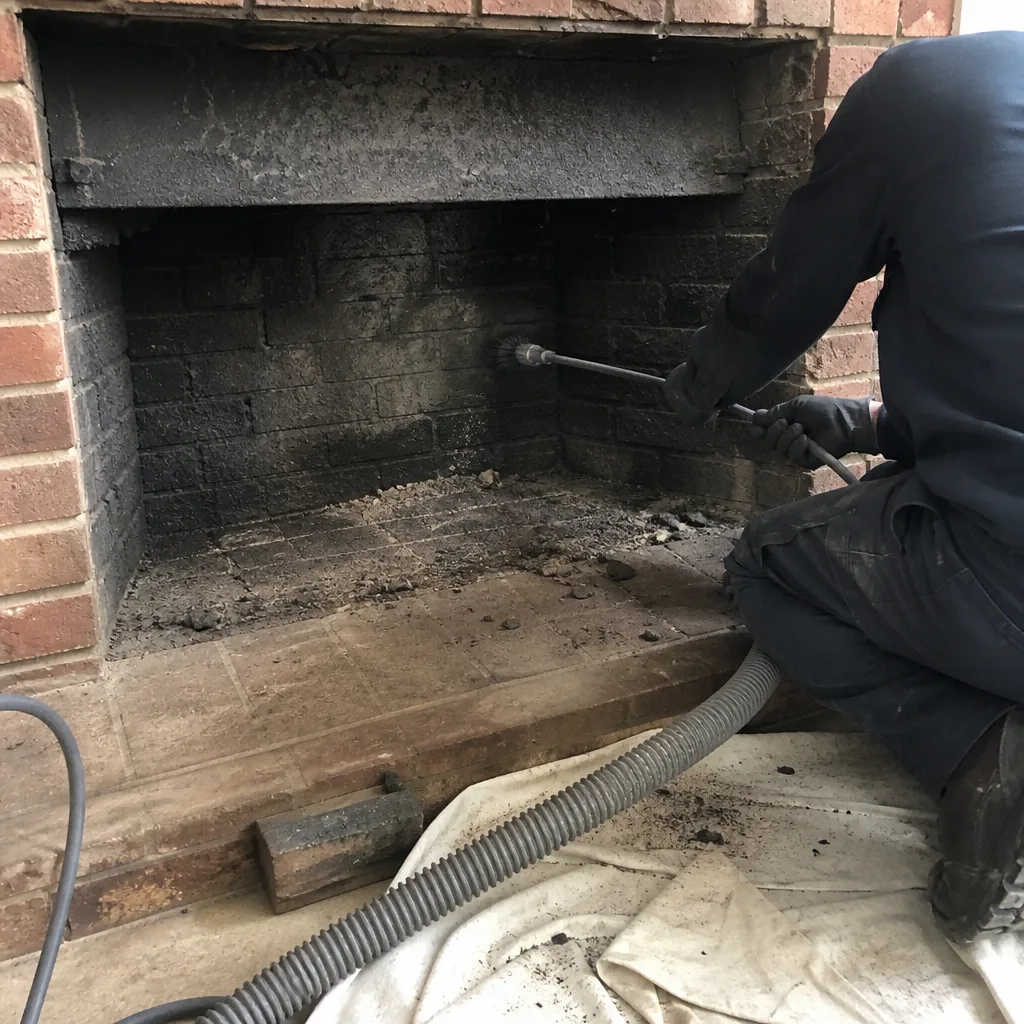 Before
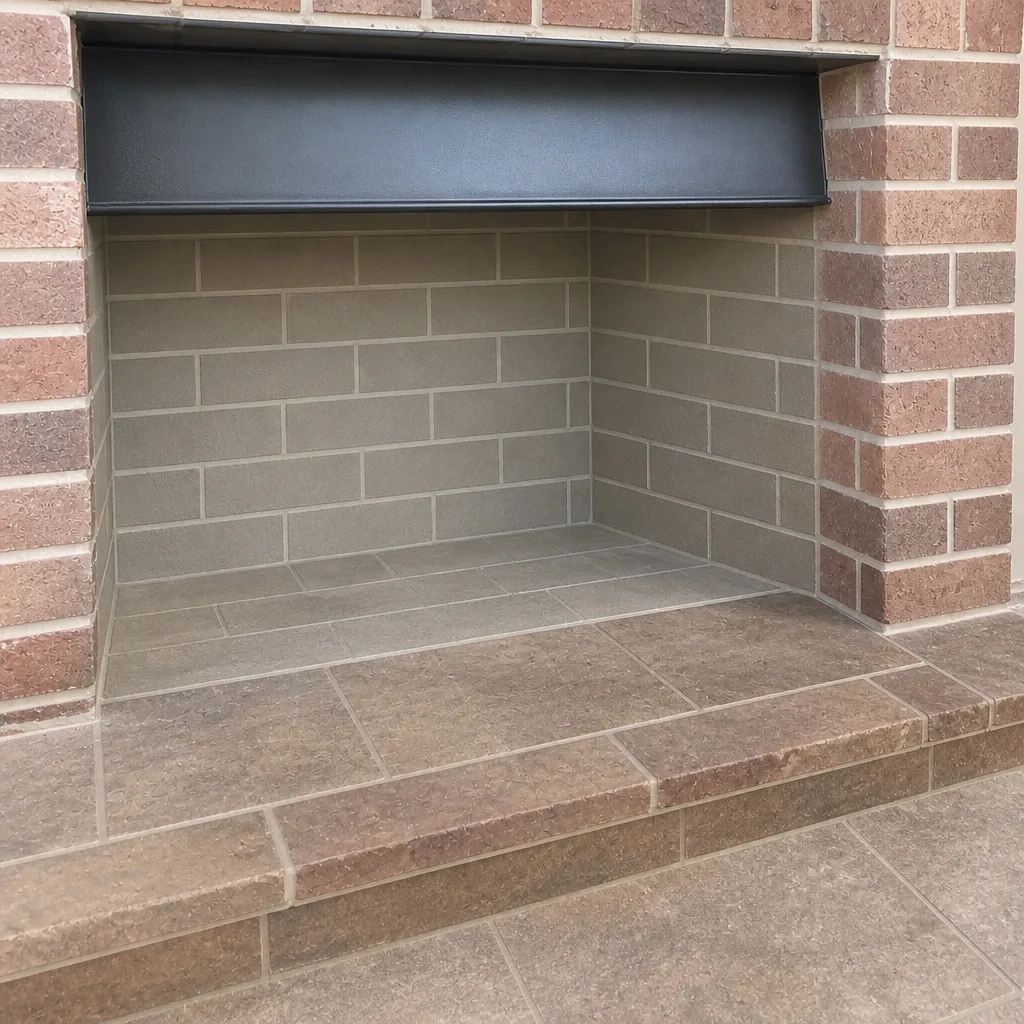 After
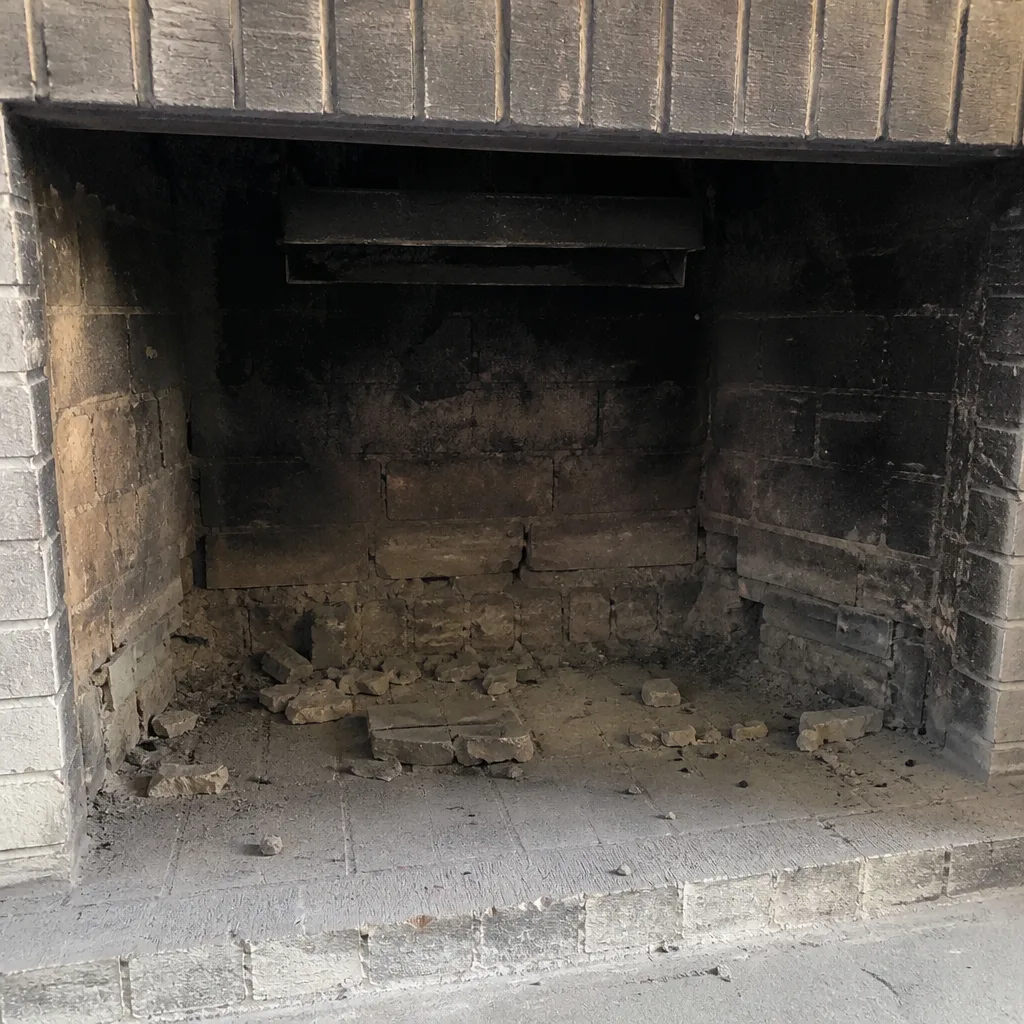 Before
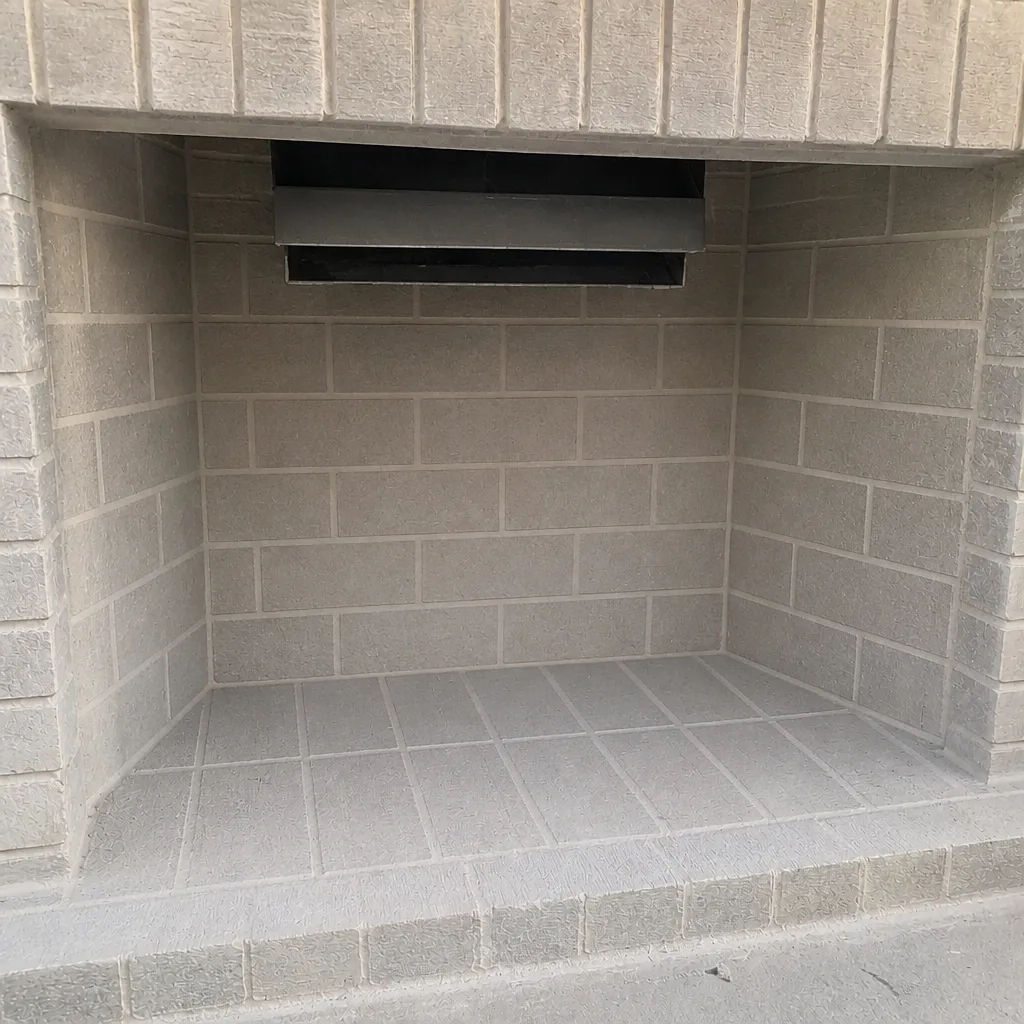 After
When to Call a Professional
Call a professional if you’ve never had the chimney inspected, if you’re buying or selling a home in Nashville, or if you’ve just moved into a house with a fireplace whose history you don’t know. Call if you see glazed creosote, soot staining around the firebox, cracked tiles, water stains, or a damaged crown. Call if the fireplace has ever spilled smoke into the room, if it smells when it isn’t in use, or if the draft seems weak. Call if a liner or insert was installed by someone else and you can’t verify it was sized correctly for the flue. And call if you’re simply not sure whether the flue is sound – that uncertainty itself is the reason.
Nashville Chimney Cleaning offers free estimates in Nashville. Call (844) 405-8628. We answer 24/7. Fast dispatch from 7am to 7pm, Sunday through Friday.
Frequently Asked Questions
DIY chimney cleaning is safe only for a lightly used, straight flue with visible light soot, no history of problems, and roof access you can manage safely. It is not safe when there’s glazed creosote, visible damage, water intrusion, or draft problems, because a brush can’t identify or fix any of those. Call (844) 405-8628 for an exact quote – estimates are free.
Cleaning removes creosote, soot, and debris from the flue. Inspection evaluates the condition of the flue liner, firebox, damper, crown, cap, and joints. A DIY sweep typically accomplishes the cleaning but not the inspection, so the homeowner has a cleaner flue without a clear picture of its condition. Call (844) 405-8628 to book a sweep that includes the inspection.
A typical professional chimney sweep in Nashville is estimated in the range a homeowner would expect for a specialist service visit, and the written estimate sets the final price before any work is booked. Because every home’s flue is different, the exact cost depends on the flue’s dimensions, the creosote stage, and whether any repair is needed. Call (844) 405-8628 for an exact quote – estimates are free.
A flashlight shows you the firebox and the lower flue, but it can’t show you the upper flue, the smoke chamber, or the condition of the liner joints. A CCTV camera reaches the parts of the flue no flashlight will, which is where most hidden problems are found. That’s why professional sweeps include camera inspection as part of the service. Call (844) 405-8628 for an exact quote – estimates are free.
The general industry guidance is to have the chimney swept and inspected annually, with more frequent service if the fireplace is heavily used or if you burn unseasoned wood. If you’ve never had the chimney inspected, start there – the inspection tells you whether you’re on a routine schedule or have a repair to address first. Call (844) 405-8628 for an exact quote – estimates are free.
In older Nashville homes with legacy liner materials, non-standard flue sizes, or modified fireplace openings, skipping service means the flue’s condition goes unchecked while creosote accumulates and water intrusion quietly damages the masonry from the crown down. The eventual repair is usually more involved than a routine sweep would have been. Call (844) 405-8628 to schedule an evaluation – estimates are free.
A sweep is enough when the flue is sound and only creosote needs removing. Repair is warranted when the camera inspection shows cracked tiles, a deteriorated liner, or a failed crown – and nothing is recommended without camera evidence you can see for yourself. If a repair can safely wait, we’ll say so. Call (844) 405-8628 for an exact quote – estimates are free.
The Bottom Line
The DIY vs. professional chimney cleaning question comes down to what you’re actually paying for. If you’re paying for a brush, a homeowner can do that. If you’re paying for a diagnosis – the camera inspection, creosote classification, draft testing, and a clear report on the flue’s condition – that’s a different job, and it’s the one that protects the household. In Nashville’s older homes, the gap between a clean flue and a sound flue is real, and it’s the reason the professional sweep is worth it. Call (844) 405-8628 for a free estimate. We answer 24/7. Fast dispatch from 7am to 7pm, Sunday through Friday. Find our full range of services on Nashville Chimney Cleaning and learn more about the Nashville area we serve.
Written by the team at Nashville Chimney Cleaning.