
Last updated November 14, 2026
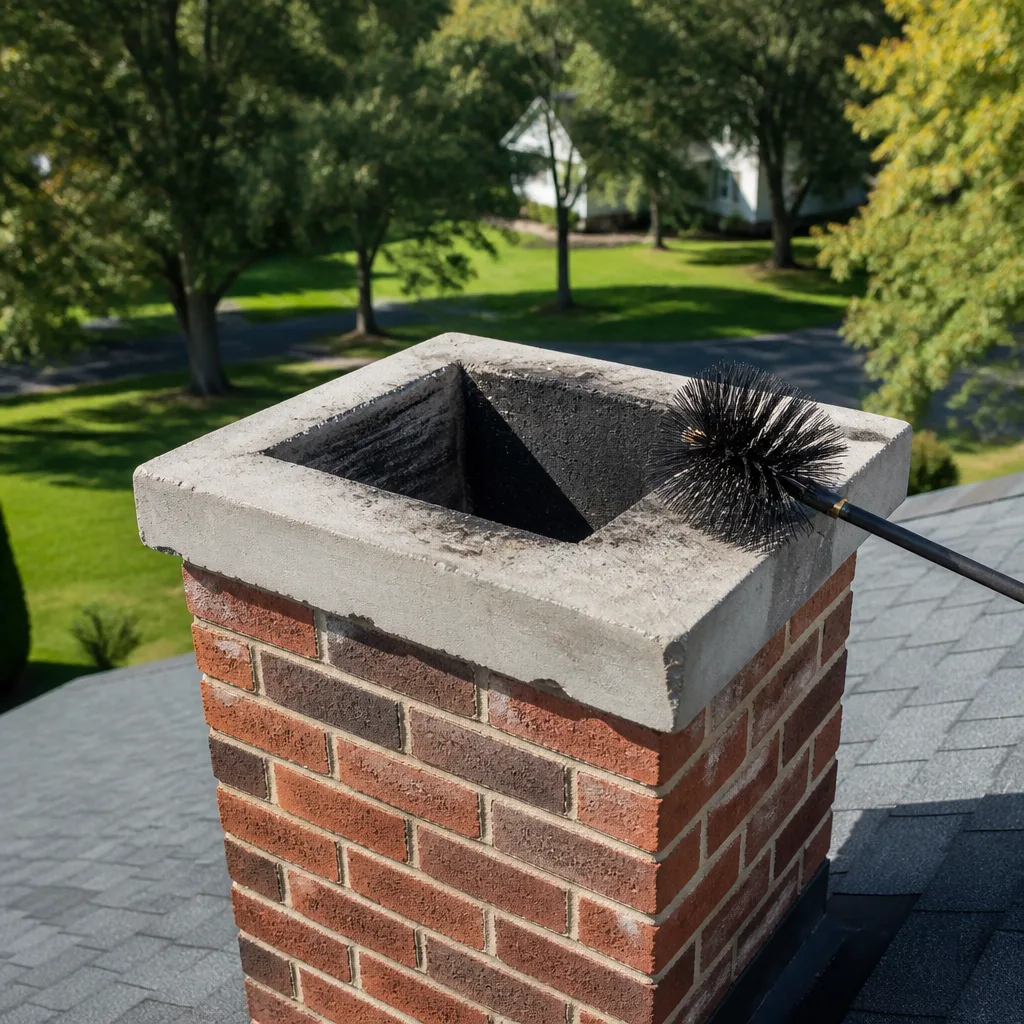 Sweep & inspection
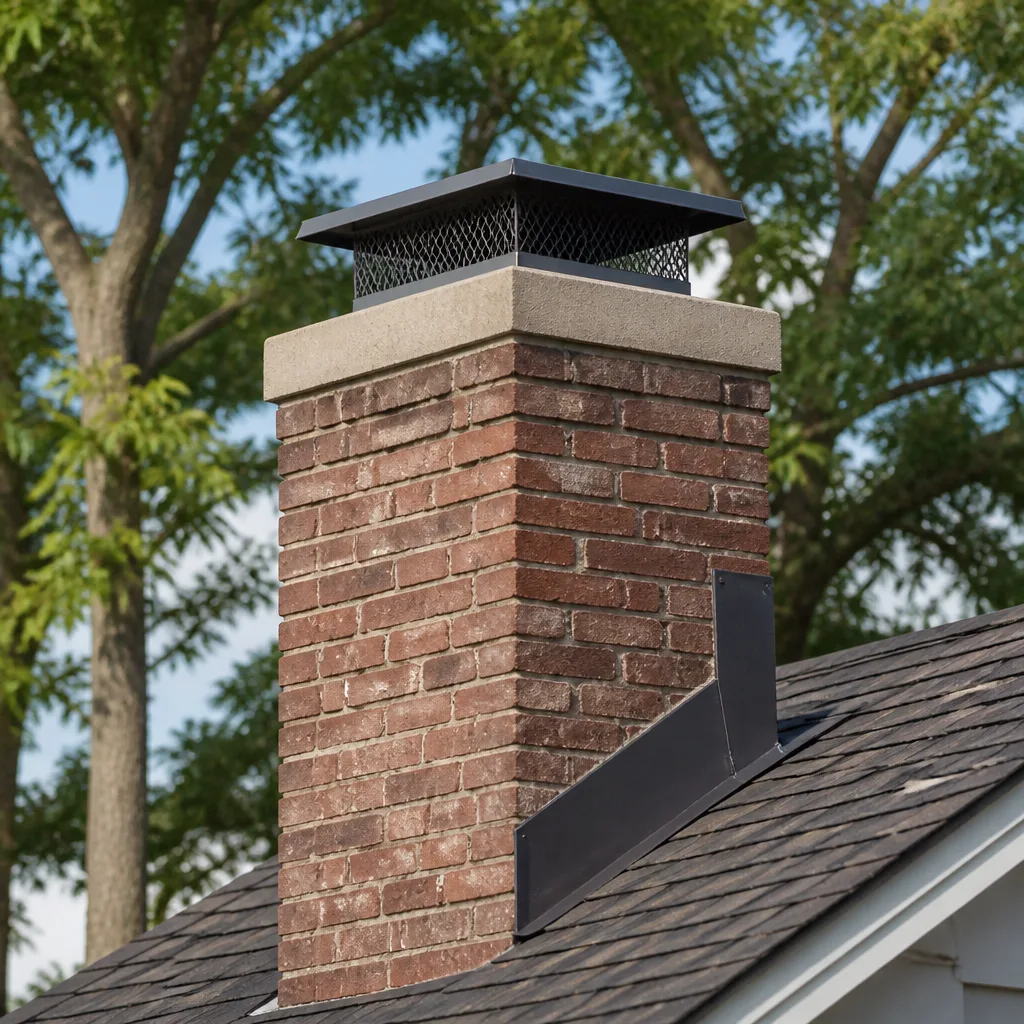 Caps & crowns
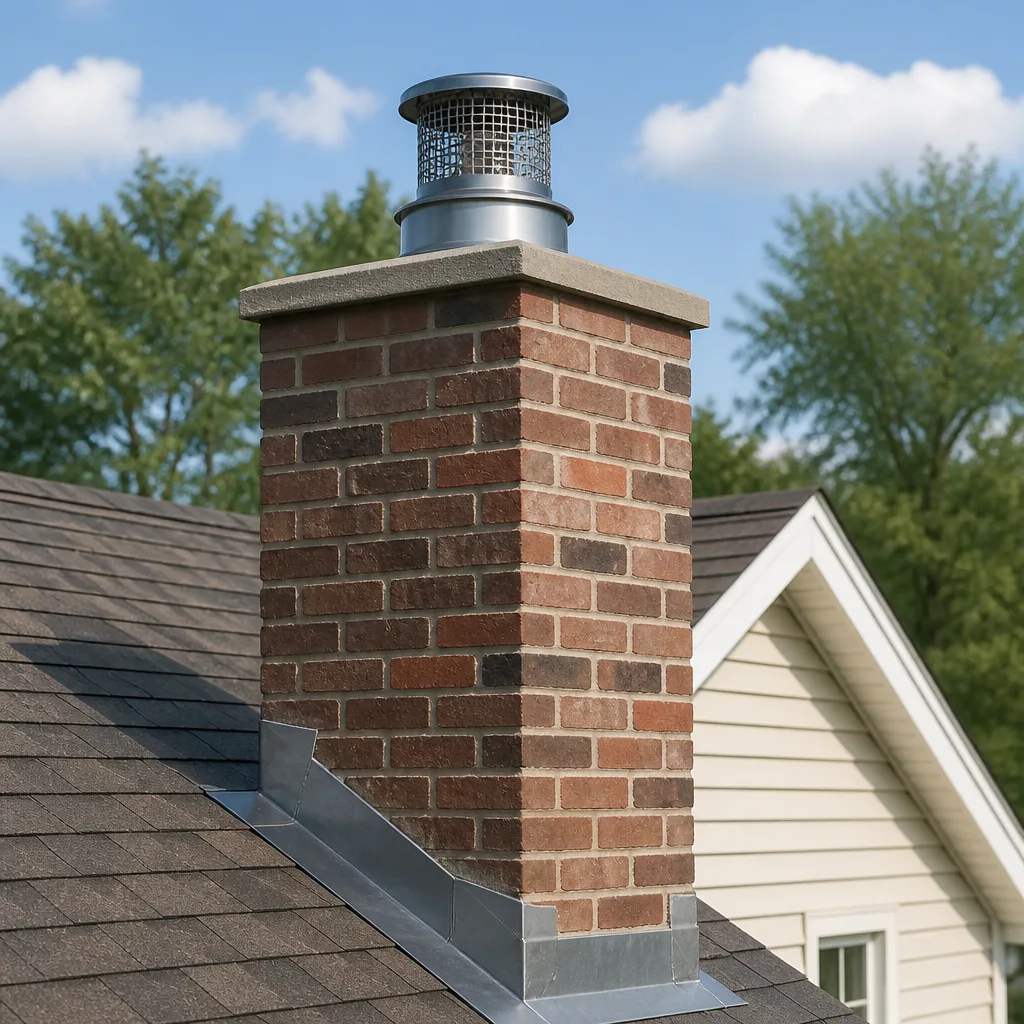 Flue relining
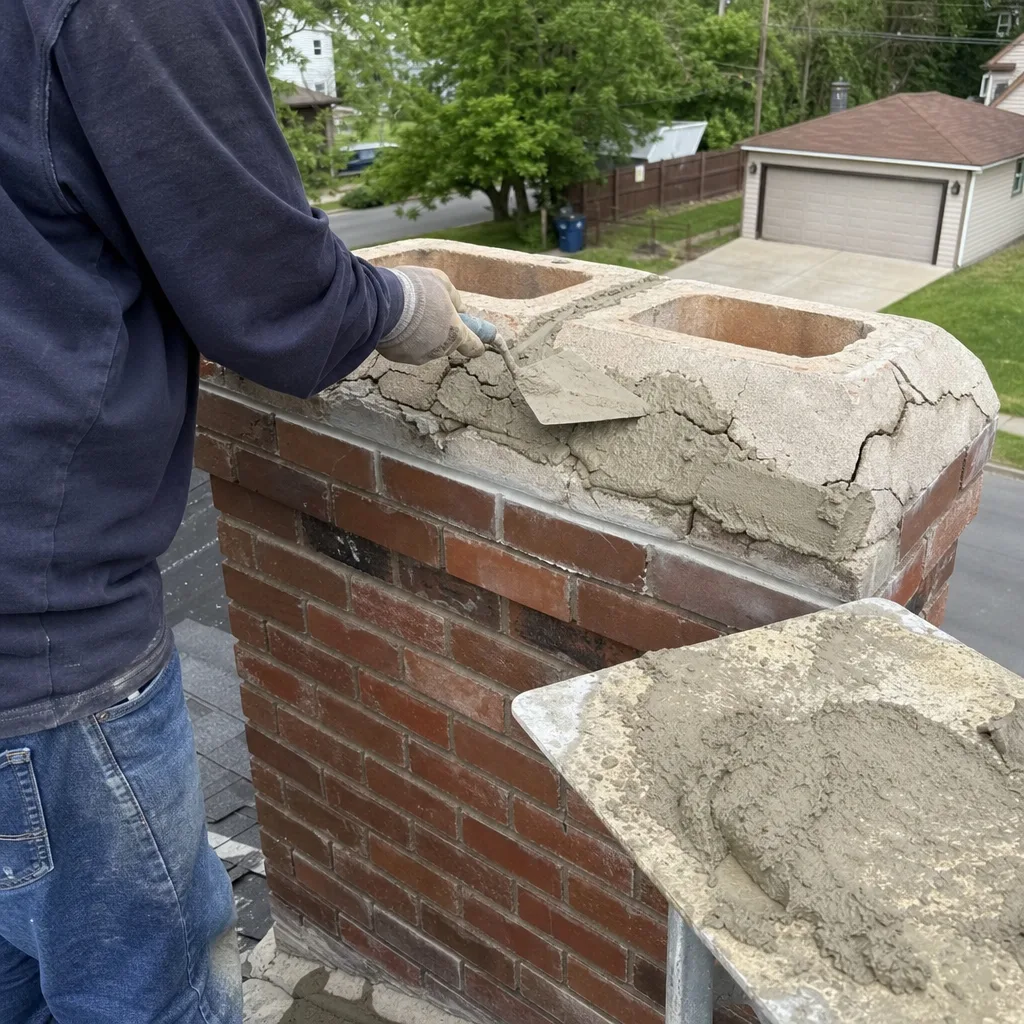
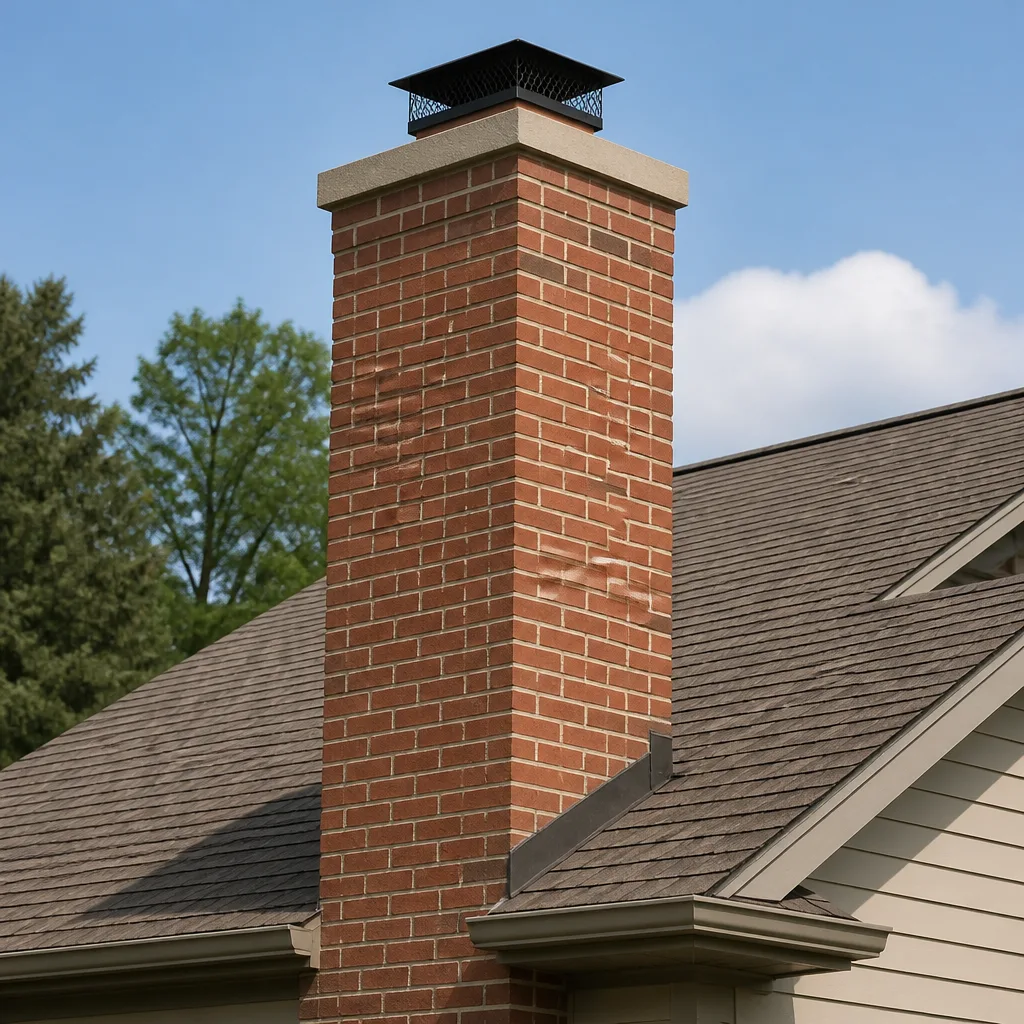 Masonry repair
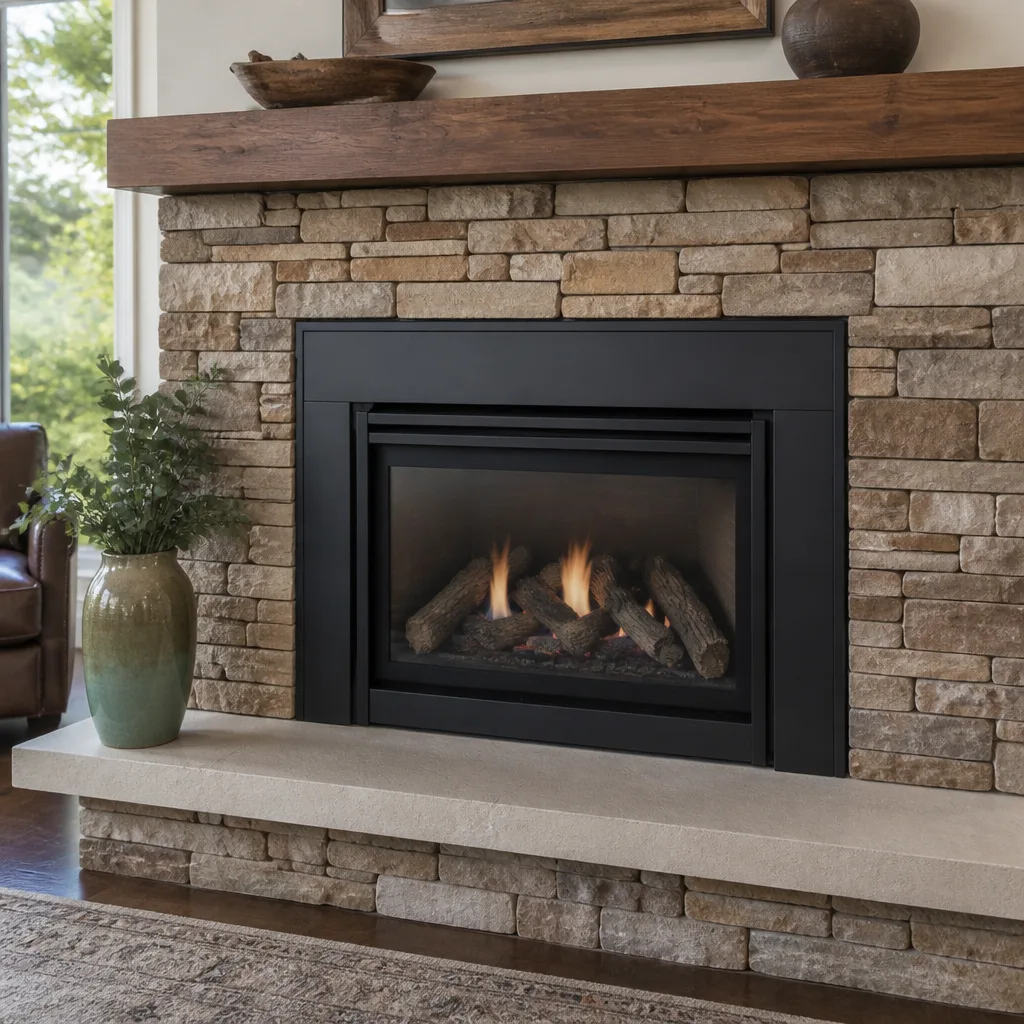 Gas fireplace service
Level 1 sweep and inspection to the NFPA 211 annual standard - flue, crown, cap, and flashing checked and photographed
Chimney sweep logs do not sweep chimneys. They loosen some creosote - which then falls where a brush and vacuum still have to collect it.
The Complete Guide to Chimney Cleaning in Nashville
Most chimney fires in Tennessee aren’t caused by people who burn wood every night all winter. They’re caused by people who light a fire two or three times a year and assume infrequent use means low risk. That assumption is the problem. A Nashville fireplace that sits idle for months collects moisture, dust, and pest debris, and the creosote left from last season’s fires glazes and hardens in the meantime. When you finally light that first fire, everything inside the flue is ready to burn. This guide covers how Nashville’s climate shapes chimney maintenance in ways generic checklists miss, what a real cleaning includes, and when you actually need an inspection level beyond the basic sweep.
Quick Answer
Chimney cleaning in Nashville means removing creosote, soot, and debris from the flue and firebox, then inspecting the venting system for cracks, gaps, or blockages that let smoke and carbon monoxide into the home. A standard sweep addresses the firebox and accessible flue; it does not repair damaged mortar, resurface a cracked flue, or reline a deteriorated chimney. Those are separate structural services. The right approach for most Nashville homes is an annual inspection with a sweep as needed, timed before the first fire of the season rather than after.
Styles & brands we work with
- Sweep & inspection
- Caps & crowns
- Flue relining
- Masonry repair
- Gas fireplace service
Table of Contents
- Why Nashville’s Climate Makes Chimney Care Different
- What Chimney Cleaning Actually Includes (And What It Doesn’t)
- How Creosote Builds Up Differently in Occasional-Use Fireplaces
- Level 1, 2, and 3 Inspections: When Nashville Homeowners Need Each
- Older Craftsman Homes vs. Newer Builds: No Single Checklist Fits Both
- Dryer Vent Cleaning Is a Fire-Safety Service, Not Housekeeping
- What Happens During a Professional Sweep: Step by Step
- What Chimney Cleaning Costs in Nashville and What Affects the Price
Why Nashville’s Climate Makes Chimney Care Different
Nashville winters are mild, and that mildness works against your chimney. In colder climates, a fireplace burns hot and often through a long season, and the constant heat and draft keep the flue relatively dry between fires. Here, heating season is short and broken up. A chimney might see steady use for three weeks in January, then nothing for a month when temperatures climb back into the sixties. That on-off pattern is what makes Nashville different from northern markets, and it’s the core of the maintenance problem.
The real enemy is the humidity cycle. Nashville sits in a humid subtropical zone, and summer air is loaded with moisture. Masonry is porous. A chimney crown with a hairline crack, a missing cap, or mortar joints that have started to weather will draw that summer moisture straight into the brick and the flue lining. Then winter arrives with freeze-thaw cycles. Even mild cycles, where temperatures dip below freezing at night and climb above it by afternoon, do real damage. Water seeps into a small crack, freezes, expands, and widens it. Repeat that across a handful of cold snaps each winter and a hairline crack becomes a pathway for smoke and carbon monoxide.
That’s the part most homeowners never see coming. Fireplaces get inspected after heavy use, if at all. The damage in Nashville accumulates during the months the fireplace is dark.
What this means in practice:
- A chimney should be checked going into the burning season, not just after a heavy winter of use.
- Water intrusion from summer humidity is a bigger long-term threat than soot from an occasional fire.
- A proper chimney cap and a sound crown do more to protect a Nashville flue than almost anything else.
- Freeze-thaw damage on mortar and liners is progressive, and it costs far less to catch early.
Our technicians have up to 9 years of experience reading exactly this kind of climate-driven wear, and it changes what we look for on a chimney sweep in this market compared to what a northern-climate checklist would suggest.
What Chimney Cleaning Actually Includes (And What It Doesn’t)
This distinction matters more than almost anything else on this page, because it’s where homeowners get surprised by a quote. A chimney cleaning and a chimney repair are two different jobs with two different scopes. Booking one doesn’t get you the other.
A standard cleaning (what the trade calls a Level 1 service) covers:
- The firebox: removing ash, soot, and debris from the firebox floor and walls.
- The damper and smoke chamber: cleaning the damper plate and the sloped smoke chamber above it, where soot collects and restricts draft.
- The flue: brushing the accessible flue to remove creosote and soot from the flue walls, with a camera check to confirm the liner’s condition.
- The cap and crown area: a visual check from the roof and ground for blockages, animal nests, or storm debris.
- A basic condition report: a walkthrough of what we found and whether anything needs a closer look.
A cleaning does not include:
- Repairing cracked or spalling mortar joints.
- Resurfacing a deteriorated flue lining.
- Replacing a damaged liner.
- Rebuilding a chimney crown or chase.
- Fixing a masonry leak or a damaged flashing detail.
If a company quotes only a sweep, that’s correct for a clean chimney in good condition. If the camera inspection turns up a cracked liner or deteriorating mortar, the sweep is the diagnosis and the repair is separate. That’s why we treat the inspection as the real deliverable. A chimney sweep in Nashville who quotes a price before looking inside the flue is guessing.
We repair, not just sweep. Our structural chimney repair is handled in-house, so if the camera reveals deteriorated mortar or a flue that needs restoration, we can assess and quote that work rather than sending you to a second vendor and a second appointment.
How Creosote Builds Up Differently in Occasional-Use Fireplaces
Creosote is the residue left when wood smoke cools before it leaves the chimney. It forms in three stages, and the stage matters more than the total amount.
- Stage 1: Sooty, flaky creosote. A light, dusty residue that a brush removes easily. This is what a well-drafted chimney produces after a handful of fires.
- Stage 2: Glazed, hardened creosote. As more smoke condenses on top of the flaky layer, it hardens into a crust that clings to the flue. It’s harder to remove and more flammable.
- Stage 3: Glossy, tar-like creosote. The most dangerous stage. It looks like hardened resin on the flue wall, it’s extremely flammable, and a standard brush won’t remove it.
Here’s the counterintuitive part. Occasional-use fireplaces often build creosote differently than nightly-use ones, and in some ways worse. A fire that burns hot and long with dry wood drafts well and produces less condensate. A fire that’s lit two or three times a season tends to be a small, low, smoldering fire, often with wood that’s been sitting outside. Cool smoke, poor draft, and damp wood are exactly the conditions that condense creosote onto the flue. The person who burns a couple of times a year may have a flue more prone to glazed creosote than the person who burns every night with seasoned hardwood.
That changes the maintenance math. In our experience, the occasional-use fireplace in a Nashville home gets neglected because “it barely gets used.” But the creosote that does form has more time to glaze and harden between fires, and it’s sitting there for months before anyone looks.
- Burn dry, seasoned wood. Wet wood produces more smoke and more creosote.
- Don’t smolder a fire overnight to bank it. Hot, efficient fires deposit less.
- Have the flue checked at least once a year regardless of how often you light it.
- If your firebox smells smoky or draws poorly, the flue may already be restricted. Get it checked before lighting another fire.
Level 1, 2, and 3 Inspections: When Nashville Homeowners Need Each
The chimney industry recognizes three inspection levels, and knowing which one you need is the difference between an adequate check and a costly blind spot.
Level 1 Inspection
A visual inspection of the accessible portions of the chimney and venting system, without tools. It’s appropriate when the chimney has been maintained and you’re not changing anything about how it’s used. This is the standard annual check that accompanies a routine sweep.
Level 2 Inspection
A Level 2 adds a camera inspection of the flue’s full interior, plus a look at accessible areas like the attic, crawl space, and chimney exterior. You need a Level 2 when:
- You’ve just bought a home in Nashville. A previous owner’s burning habits and repair history are unknown.
- You’ve changed fuel types (for example, gas logs to wood, or adding a wood stove insert).
- You’ve had a chimney fire, even a small one you put out yourself.
- A Level 1 turned up something that needs a closer look.
- Your home is older and the flue’s condition has never been documented.
In a market like Nashville’s, where the housing stock spans a wide range of ages and a lot of homes change hands, a Level 2 is the inspection most homeowners actually need but most don’t ask for.
Level 3 Inspection
A Level 3 is diagnostic and invasive. It’s needed when a Level 2 reveals a serious problem that can’t be assessed without opening up part of the chimney or its surroundings, such as concealed damage behind masonry or a suspected structural failure. A Level 3 is uncommon, and it’s never the first step. It’s what you do when there’s a specific, identified reason to look inside the structure itself.
The takeaway: a routine year is a Level 1. A new-to-you home, a fuel change, or any sign of trouble is a Level 2. A confirmed problem that needs the chimney opened up is a Level 3.
Older Craftsman Homes vs. Newer Builds: No Single Checklist Fits Both
Nashville’s neighborhoods run from century-old craftsman homes to subdivisions built across the last few decades, and the chimney issues that show up in each are different enough that a one-size-fits-all inspection sheet misses real problems.
In older homes, the flue is often unlined or lined with original clay tile that has since cracked and spalled. The chimney crown, that sloped concrete cap at the very top, may have weathered to the point where it no longer sheds water, letting moisture into the masonry from above. Mortar joints, after decades of freeze-thaw cycles, may have begun to recede. These chimneys often need more than a sweep: they need a structural assessment before they’re safe to use. For flues in this condition, we use HeatShield ceramic resurfacing, a repair-grade product that restores the integrity of a damaged flue without requiring full liner replacement. It’s a cost-effective middle option that generalist cleaners rarely offer.
In newer homes, the issues tend to be different. A modern chimney is more likely to have a properly sized and lined flue, but poor drafting is a common complaint, especially with gas appliances and inserts. Prefab metal fireboxes have their own inspection points, and a builder-grade cap that’s failed after a few storm seasons lets in water and pests. These homes often need a sweep plus attention to caps, covers, and venting hardware.
That’s why we carry components from brands like Olympia Chimney and Gelco for caps, covers, and venting hardware, and we work with HeatShield and DuraFlex flexible liner systems when a full reline is what the flue actually needs. Full liner replacement covers both new installs and replacements for deteriorated or incorrectly sized flues. The material depth matters because the right fix for a 1920s craftsman and the right fix for a home built five years ago are not the same product.
If you’re in a Nashville home and unsure which category you’re in, the inspection tells you. That’s the whole point of doing it before the first fire of the season.
Dryer Vent Cleaning Is a Fire-Safety Service, Not Housekeeping
Lint is the second leading cause of residential house fires, and the dryer vent is where it accumulates. That makes dryer vent cleaning a fire-safety service, not a chore to get around to eventually. We treat it as a core service for exactly this reason, and we handle it under the same specialist roof as chimney work rather than sending you to a separate vendor.
A clogged dryer vent traps lint, and lint is highly flammable. When the vent is restricted, the dryer has to work harder, heat builds up in the duct, and the conditions for a fire are there. The same restricted vent can also let heat back into the dryer housing and shorten the appliance’s life.
Signs your dryer vent needs attention:
- Clothes take longer than one cycle to dry.
- The dryer feels hot to the touch on top or on the door.
- The outside vent flap doesn’t open fully, or you can feel weak airflow.
- Lint is accumulating around the lint trap housing or behind the dryer.
- The dryer has a burning smell, or you’ve found lint buildup inside the vent duct itself.
Our dryer vent work draws on expertise with Famco venting systems, which directly informs how we diagnose airflow problems and reroute or repair venting that wasn’t installed to move lint out of the house efficiently. A vent cleaning that just clears the duct without assessing the run and the termination point is only half the job.
Dryer vent cleaning paired with an annual chimney sweep keeps the two most neglected venting systems in a Nashville home on the same maintenance calendar. If you’re scheduling one, it’s worth scheduling the dryer vent cleaning at the same time.
What Happens During a Professional Sweep: Step by Step
Knowing the process removes the mystery and lets you ask better questions before you book. Here’s how a professional sweep works:
- Set up protection. Drop cloths go down in front of the firebox to protect floors, rugs, and furnishings from soot.
- Prep the work area. We seal the firebox opening with a draft-control system so soot stays in the chimney, not in your home.
- Inspect the firebox and smoke chamber. We check the damper, the smoke shelf, and the firebox walls before brushing.
- Brush the flue. We use brushes sized to your flue to remove soot and creosote from the flue walls, working from the top or bottom as the job allows.
- Camera-inspect the flue. We run a camera down the flue to check the liner’s full length for cracks, gaps, or damage a visual check from the top can’t catch.
- Clear the firebox. Debris and ash are removed with a shop vacuum, and the firebox floor is cleaned.
- Check the cap, crown, and exterior. We look at the chimney cap, crown, and flashing from the roof and ground to catch water-entry points and blockages.
- Walk you through the findings. We show you what we found, explain what it means, and tell you plainly whether anything needs repair.
The camera step is what separates a sweep from a guess. It’s also why we can tell you with confidence whether a repair can wait or whether it shouldn’t.
What Chimney Cleaning Costs in Nashville and What Affects the Price
Pricing for chimney work is set per job and written up in a free estimate, so we won’t quote a number before we’ve seen the flue. What we can explain is what drives the price up or down, so you can read any quote intelligently.
- Access and condition. A clean flue with good access is the simplest job. Heavy creosote, a restricted flue, or difficult roof access adds work.
- Inspection level. A standard Level 1 sweep is one scope; a Level 2 camera inspection adds time and detail.
- Repairs found during inspection. If the flue needs resurfacing (HeatShield), relining (DuraFlex), or masonry repair, that’s quoted separately from the sweep.
- Dryer vent cleaning. A separate scope with its own price, and easy to pair with the sweep on the same visit.
What every quote should include, and what we include: a free estimate with no pressure to book on the spot, the sweep price and any repair price stated separately, a camera inspection and the findings walkthrough, and a plain answer to whether the repair can wait. The written estimate sets the final price, so the number you see is the number you pay.
Common Mistakes to Avoid
- Assuming infrequent use means no maintenance. A fireplace lit twice a year still needs an annual check, because the creosote that forms between fires glazes and hardens with moisture. Nashville’s humid summers make that worse, not better.
- Booking a sweep and expecting repairs to be included. A sweep cleans; it doesn’t fix a cracked liner or resurface a flue. Confirm before you book which scope you’re getting and what would trigger a repair quote.
- Skipping the camera inspection. A visual check from the roof can’t see a cracked liner mid-flue. Without a camera, nobody can tell you honestly if your flue is safe.
- Treating dryer vent cleaning as optional housekeeping. Lint is the second leading cause of residential fires. It’s a fire-safety issue, and it belongs on the same annual checklist as the chimney.
- Waiting until after the first fire of the season. In Nashville, the smart time to book is before burning season, when the humidity and freeze-thaw damage from the off-season is fresh and identifiable and you’re not trying to light a fire before anyone’s looked at the flue.
- Missing the cap and crown. Water intrusion from summer storms and winter freeze-thaw is a leading cause of hidden deterioration in this market. A missing or failed cap is a slow leak into your masonry.
- Assuming a new home doesn’t need inspection. Builders’ grade caps and uncorrected drafting problems are common. New-to-you doesn’t mean verified.
See the difference
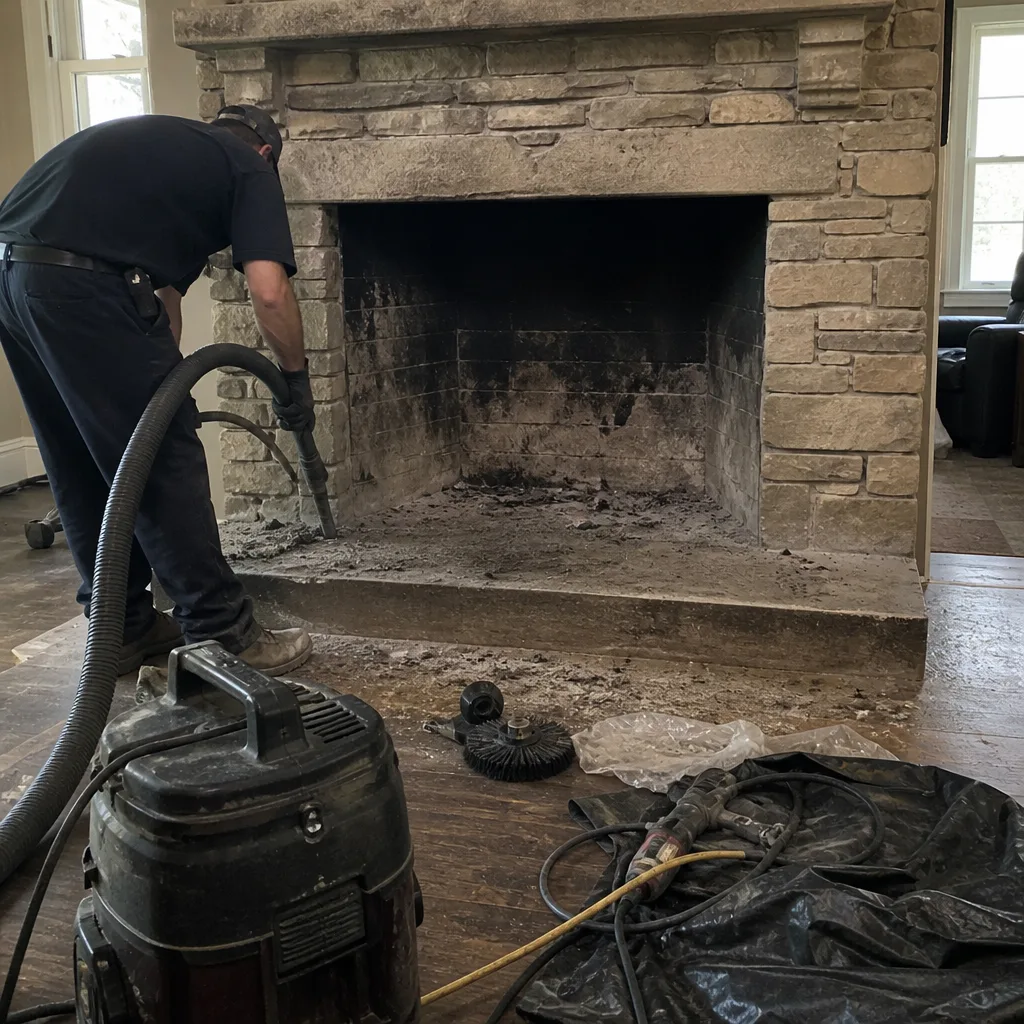 Before
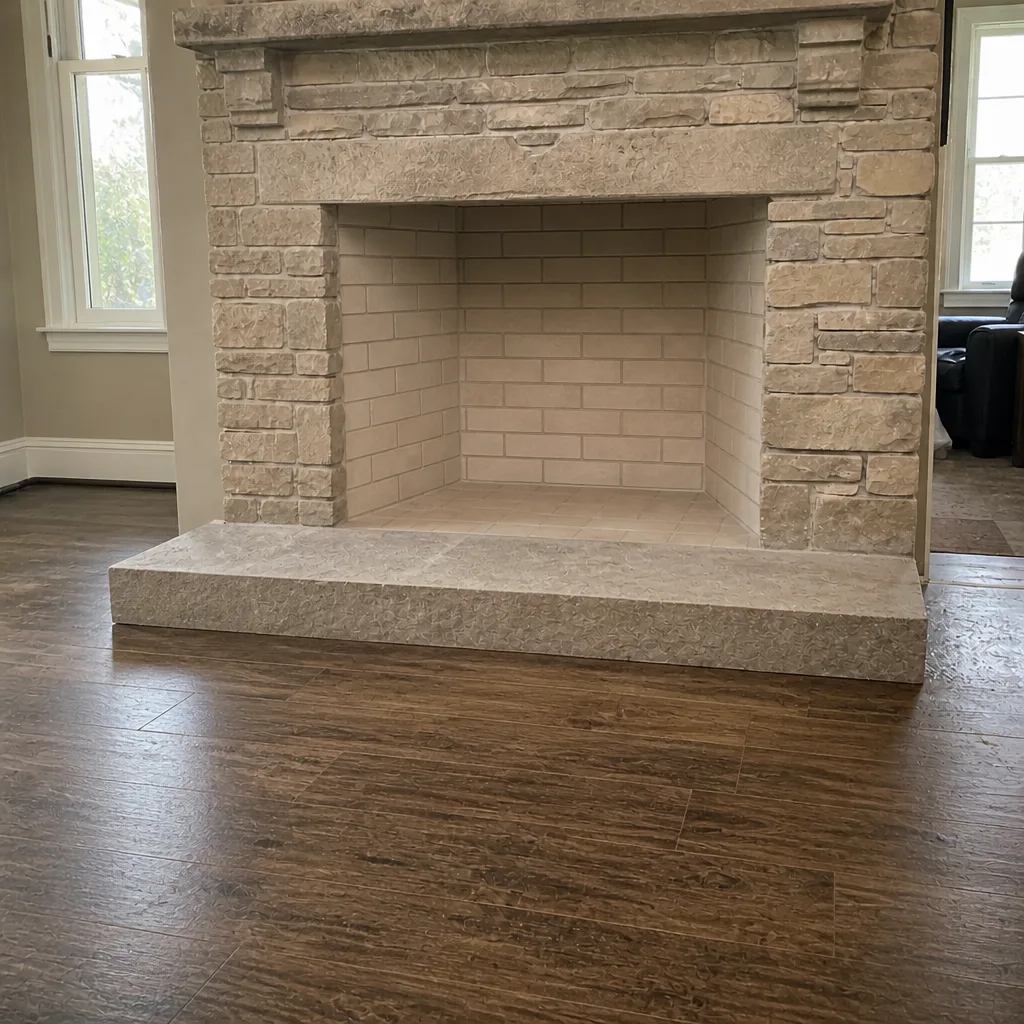 After
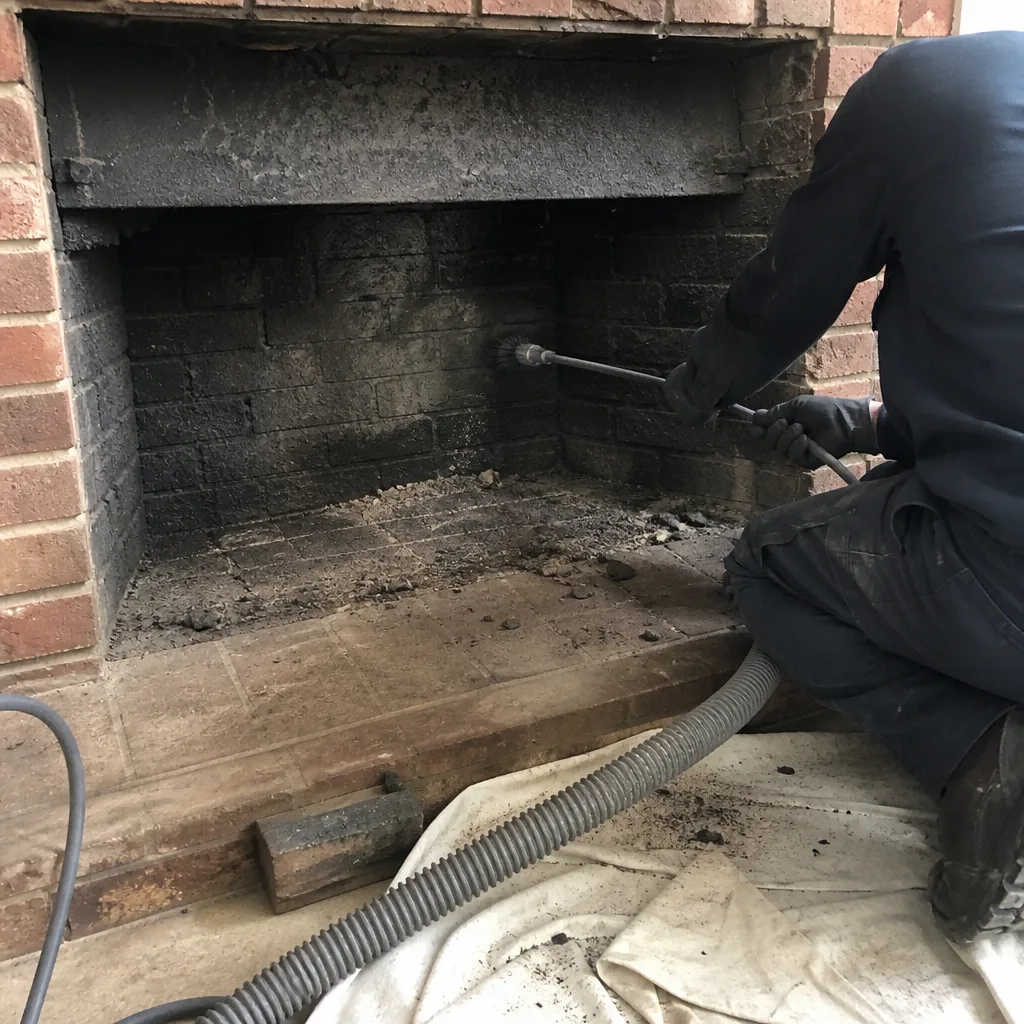 Before
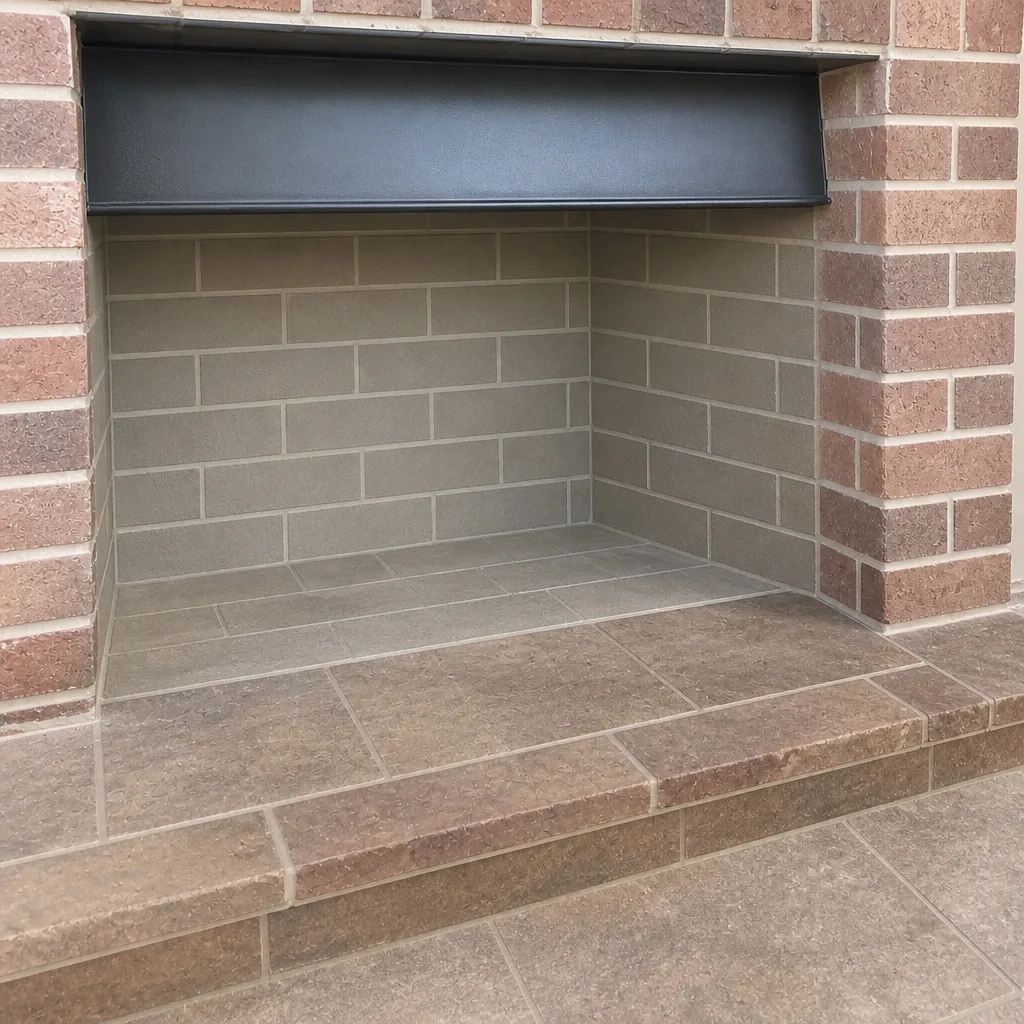 After
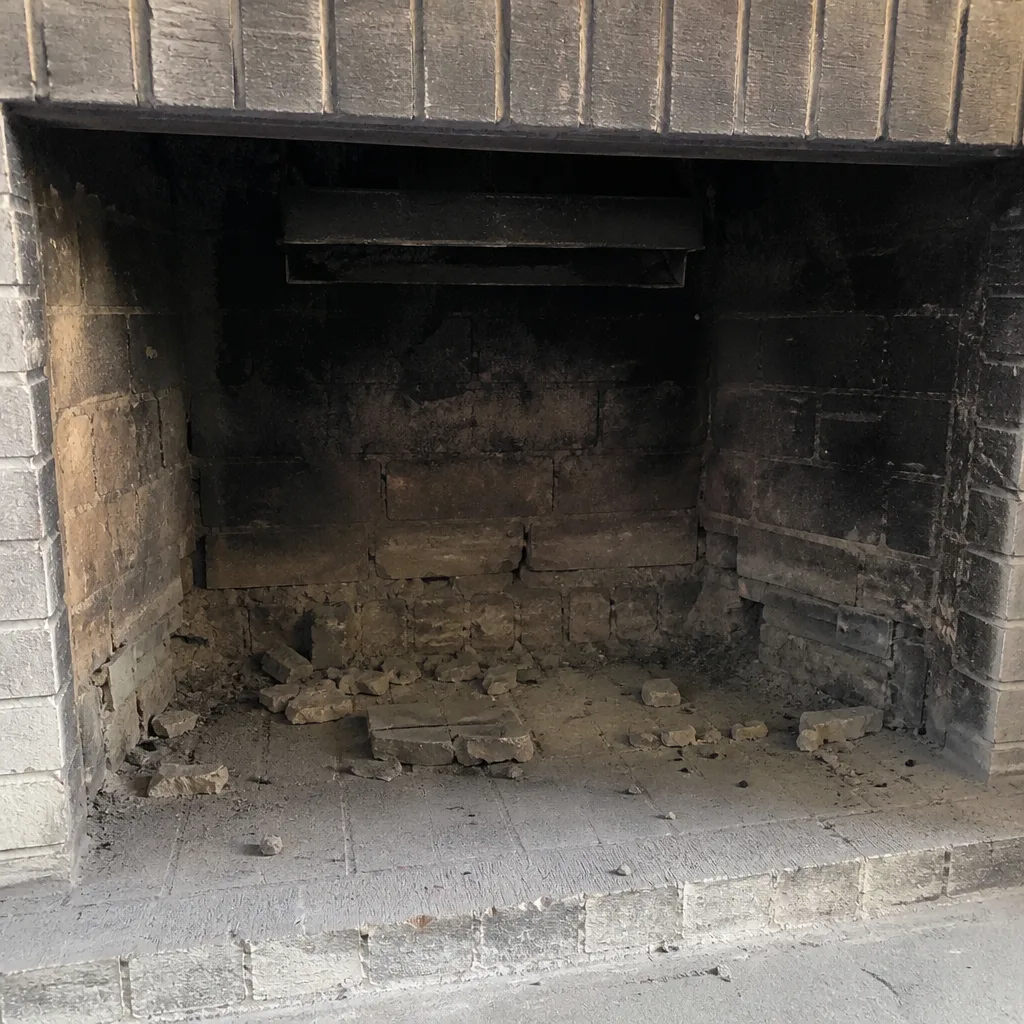 Before
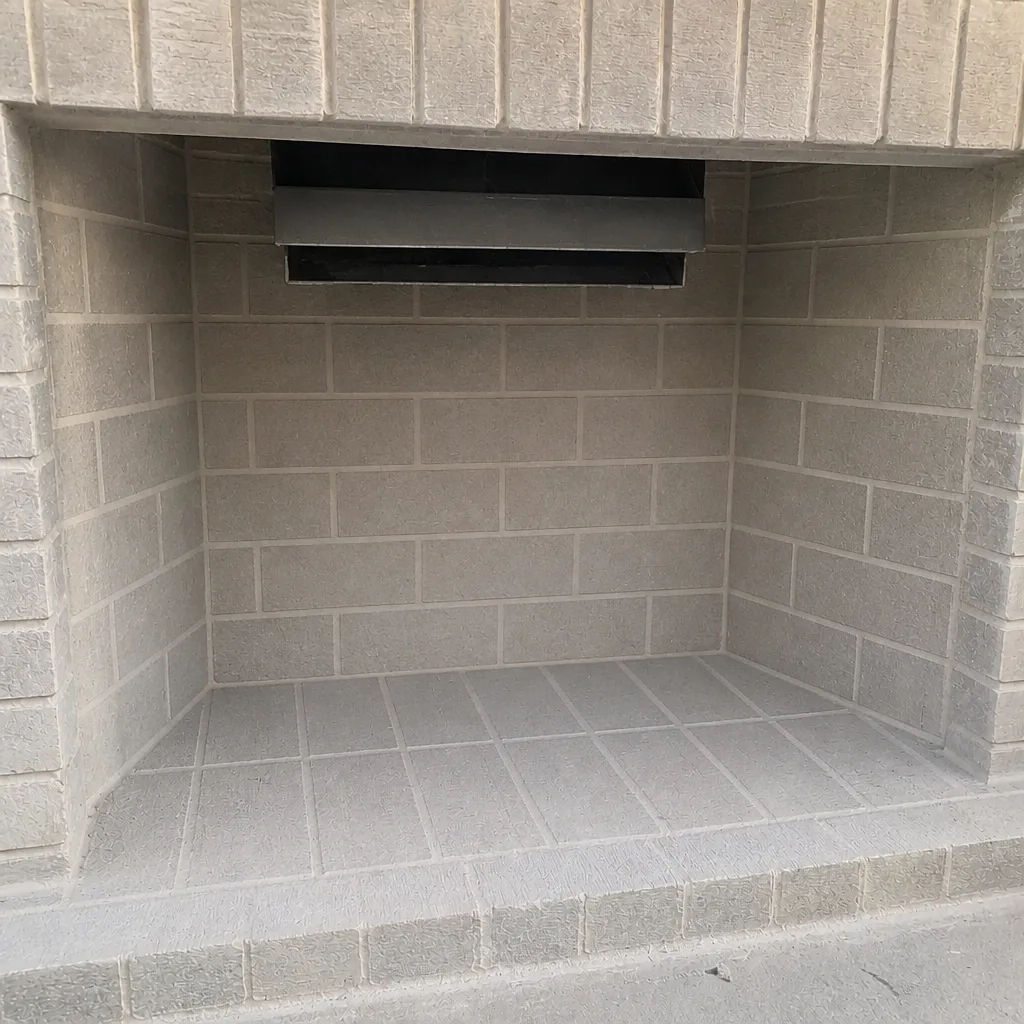 After
When to Call a Professional
Call for a professional sweep and inspection if you don’t know when the chimney was last cleaned, if you’ve just bought the home, if you’ve changed fuel types, or if you smell smoke in the house when you burn. Call immediately if you’ve had a chimney fire of any size, if you hear a crackling or rumbling sound from the flue during a fire, or if you notice a strong creosote smell. Call for dryer vent cleaning if your clothes take longer than one cycle to dry or the dryer feels hot. And call if you’re unsure: a free estimate and a camera inspection tell you what you need to know, and we’ll say plainly when work can safely wait. Nashville Chimney Cleaning offers free estimates in Nashville. Call (844) 405-8628. We answer 24/7. Fast dispatch from 7am to 7pm, Sunday through Friday.
Frequently Asked Questions
Once a year is the standard recommendation, and in Nashville’s climate the annual check matters even if you only light a few fires per season. The reason is that the off-season humidity and mild freeze-thaw cycles cause hidden deterioration while the fireplace sits idle, and a once-a-year inspection catches that before the first fire. If you burn heavily, use an insert, or notice poor draft, get it checked sooner. Call (844) 405-8628 for an estimate.
Chimney cleaning is priced per job and set by a free written estimate, so the number depends on your flue’s condition, access, and whether repairs are needed. A cleaner flue and standard access means simpler pricing; heavy creosote, restricted access, or a repair scope adds to the job. The written estimate sets the final price, with no surprises after the work starts. Call (844) 405-8628 for an exact quote. Estimates are free.
A visual check from the roof or firebox can’t see a cracked liner partway down the flue, which is exactly where hidden damage hides. For a home that’s new to you, a fuel change, or any sign of drafting trouble, a camera inspection is what shows the flue’s actual condition. It’s the only way to answer “is this safe to burn” honestly. Call (844) 405-8628 to book an inspection.
Skipped cleaning lets creosote accumulate and harden into a flammable layer on the flue wall, which raises the fire risk with every fire you light. It also lets moisture-driven cracks and deteriorated mortar go unchecked, and those are the pathways that let smoke and carbon monoxide into the home. The risk builds slowly and invisibly, which is why the annual check matters. Call (844) 405-8628 for a free estimate.
A sweep cleans; it doesn’t repair. If the camera inspection reveals a deteriorated flue, we handle the restoration in-house, from HeatShield ceramic resurfacing for a flue that can be restored without full replacement to DuraFlex flexible liner systems for a full reline. That’s the difference between booking a sweep and booking a specialist who can see the problem through. Call (844) 405-8628 for an estimate.
Because the creosote from a few small, low fires condenses and glazes over time, and Nashville’s humid summers can let that hardened layer sit for months. Fireplaces that go unused for long stretches are also where summer moisture damage accumulates unseen. Low use doesn’t mean low risk. Call (844) 405-8628 and we’ll tell you whether the flue needs a sweep now or can wait.
The Bottom Line
Chimney maintenance in Nashville isn’t about how often you light a fire. It’s about what happens to the flue in the months when you don’t. Humidity and mild freeze-thaw cycles work on masonry all year, and a fireplace used only occasionally still needs an annual check because the creosote it does produce glazes and hardens. Get a camera inspection before the first fire of the season, separate the sweep price from any repair price, and treat dryer vent cleaning as the fire-safety service it is. When you know what’s actually inside the flue, you can make a sound decision about the repair and skip what can safely wait.
Ready to know what’s going on inside your chimney? Contact us today and call (844) 405-8628 for a free estimate. We answer 24/7. Fast dispatch from 7am to 7pm, Sunday through Friday. Our team handles chimney sweeping, dryer vent cleaning, and structural chimney repair, and we’ll tell you honestly what the camera shows and when repair can wait. For the full picture of what we do, start with Nashville Chimney Cleaning.
Written by the team at Nashville Chimney Cleaning.