
Last updated November 14, 2026
 Sweep & inspection
 Caps & crowns
 Flue relining
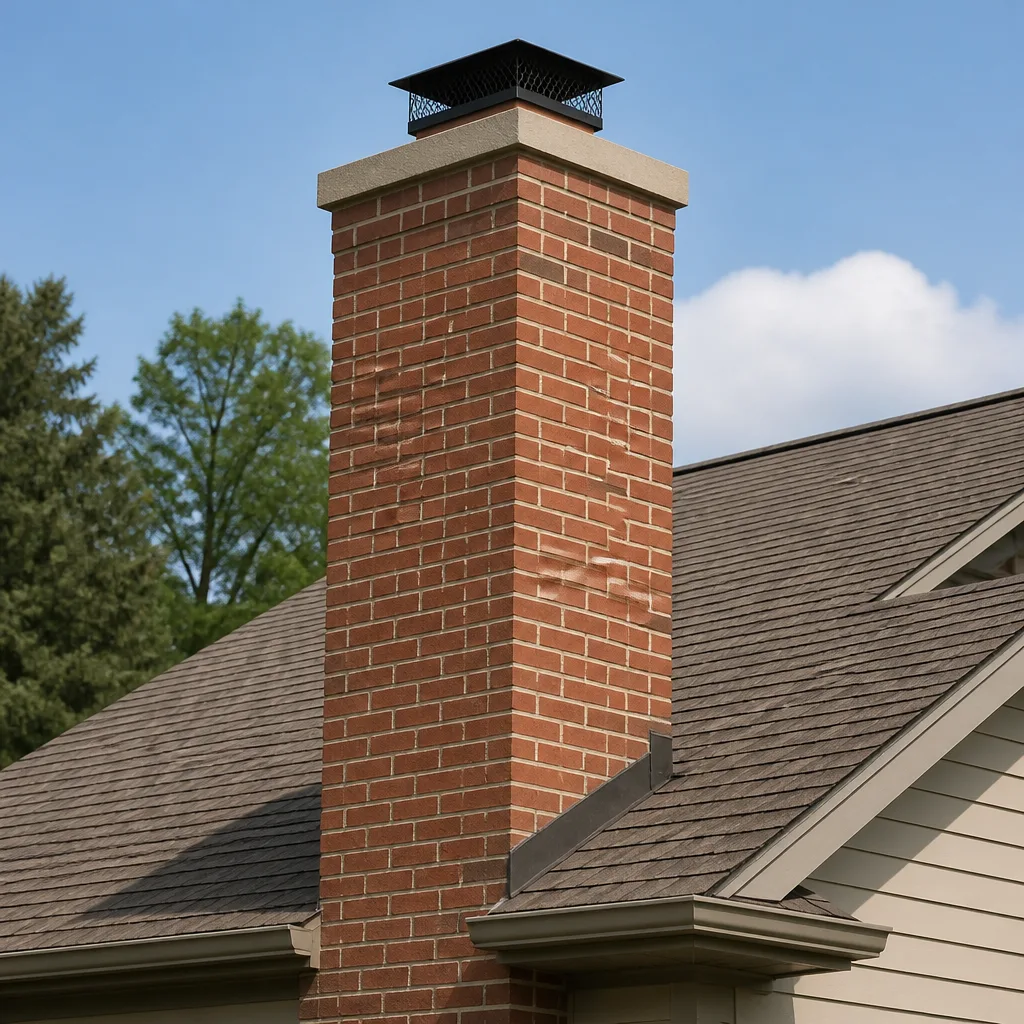 Masonry repair
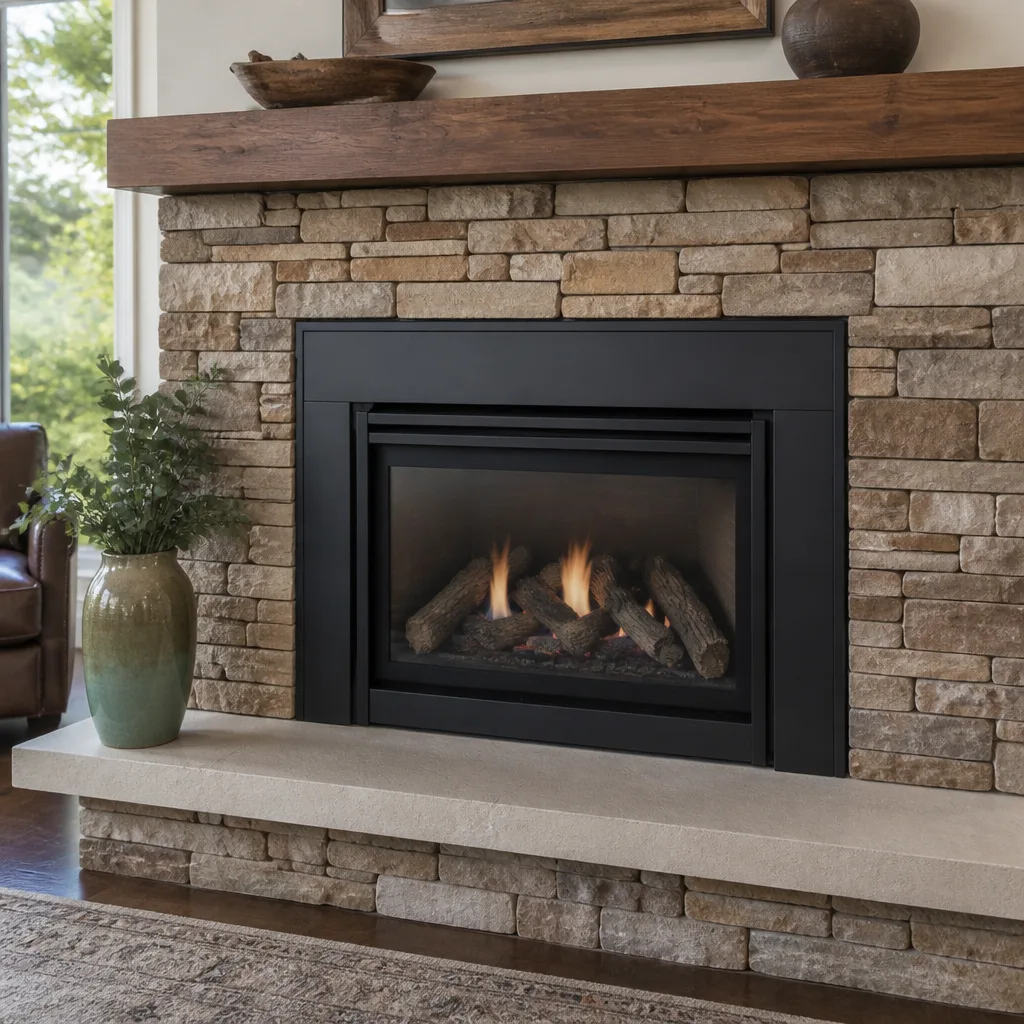 Gas fireplace service
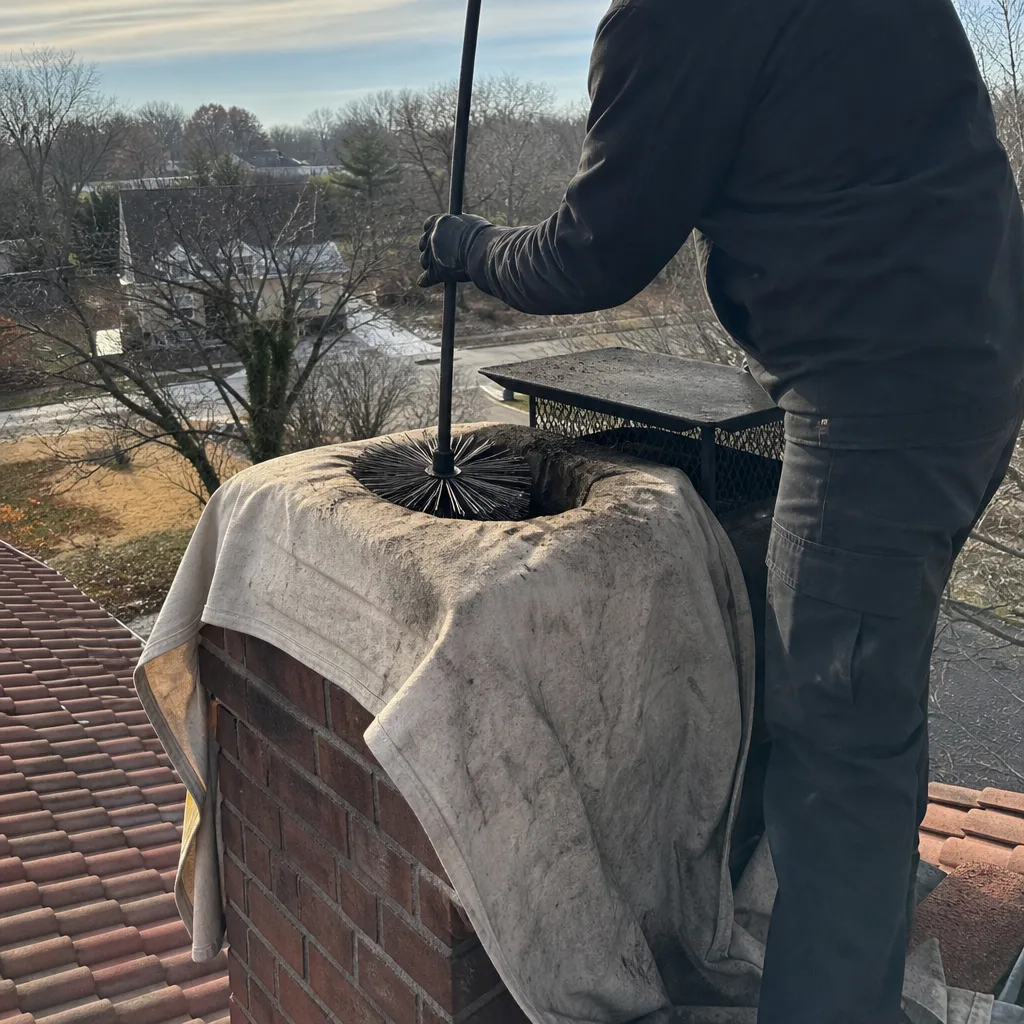
Level 1 sweep and inspection to the NFPA 211 annual standard - flue, crown, cap, and flashing checked and photographed
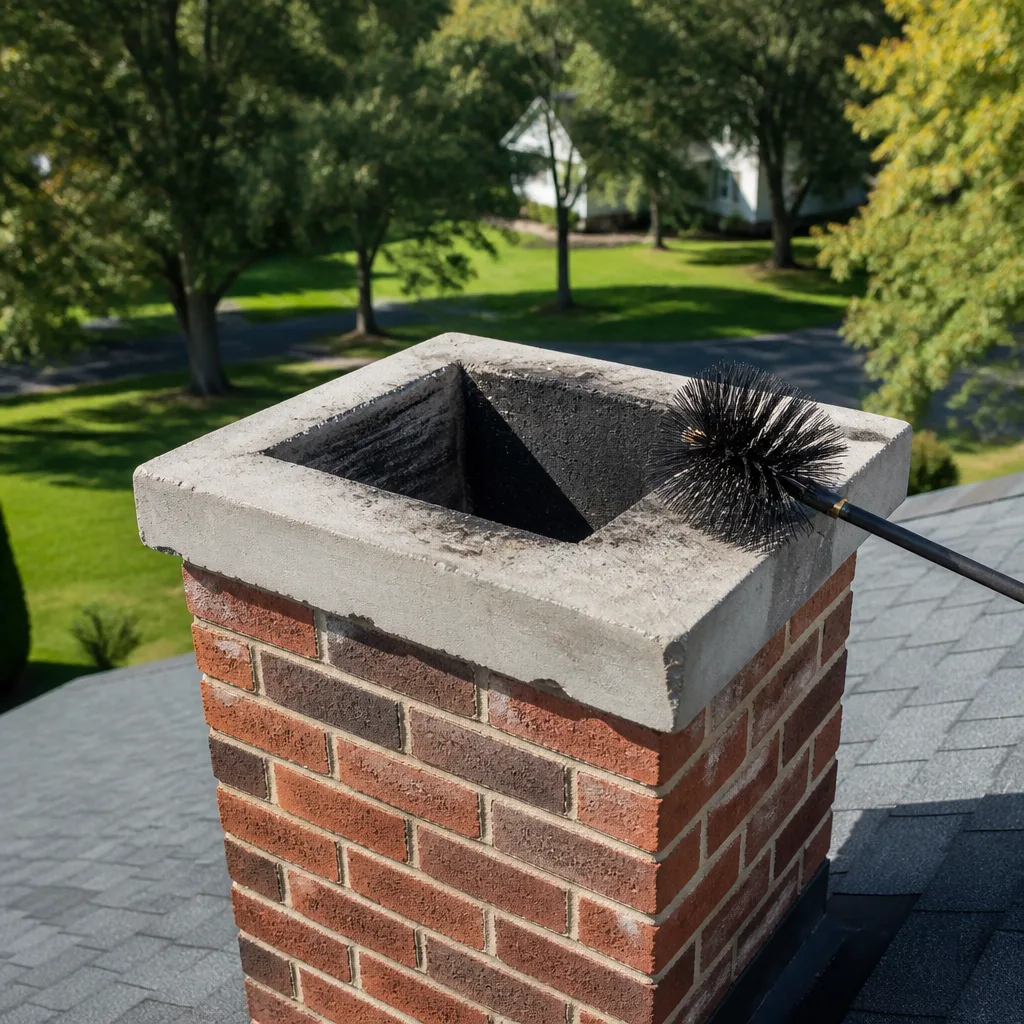
Chimney sweep logs do not sweep chimneys. They loosen some creosote - which then falls where a brush and vacuum still have to collect it.
Chimney Sweep Troubleshooting in Nashville: Common Problems and How to Fix Them
A smoky firebox right after a sweep usually isn’t a sign the sweep did something wrong. It’s a diagnostic clue. In a lot of Nashville homes, that puff of smoke rolling out of the fireplace opening points to a house-pressure or ventilation problem that was there before anyone touched the chimney, and it only shows up because the flue is now clean enough to draw properly. The same is true of white crust blooming on brick, a popping sound during a fire, or a draft that seems to come and go with the weather. Each one is a symptom with a specific cause, and knowing which symptom maps to which problem is how you avoid paying for the wrong fix. This guide walks through the failures we see most in Nashville, what they actually mean, and how to tell them apart.
Quick Answer
Most chimney problems in Nashville come down to one of four root causes: water getting into clay-heavy masonry and freezing, creosote and blockage limiting draft, negative pressure inside the house pulling smoke back down the flue, or structural wear at the mortar joints and flue lining. Diagnosing which one you have before scheduling repair is what separates a targeted fix from a guess. A camera inspection and a pressure check tell you which problem you’re dealing with in a few minutes, and that evidence should drive every recommendation you accept.
Styles & brands we work with
- Sweep & inspection
- Caps & crowns
- Flue relining
- Masonry repair
- Gas fireplace service
Table of Contents
- Why Chimney Problems Look Different in Nashville
- Draft Problems: Negative Pressure vs. a Blocked Flue
- Smoke Rollback: Firebox Geometry, Cap Obstruction, or Competing Exhaust
- White Staining on Brick: What Efflorescence Really Tells You
- Spalling Brick and Mortar Joint Failure
- What a Popping Sound During a Fire Actually Indicates
- Creosote Buildup and Sweeping Frequency
- Dryer Vent Problems That Masquerade as Chimney Issues
Why Chimney Problems Look Different in Nashville
Chimney failure in Nashville follows a different pattern than it does in a dry, stable climate. Two local conditions drive most of it: the clay-heavy soil under a lot of Middle Tennessee homes, and the freeze-thaw cycle that swings repeatedly through our winters. Neither one destroys a chimney in a single season. Together, they slowly work at the masonry in a way homeowners don’t notice until something visible fails.
Clay-heavy soil holds water and expands and contracts as moisture moves through it. That movement translates upward through the foundation and into the structure of the chimney, flexing mortar joints that were never designed to move much at all. Add a winter that thaws by afternoon and refreezes at night, and any water that has worked its way into the brick or the crown expands when it freezes. That expansion is what cracks mortar and flakes brick faces.
Compare that to a hot, dry climate where masonry stays relatively stable and water intrusion is the only real enemy. Here, it’s water intrusion plus repeated freezing plus soil movement, all pushing on the same structure. That’s why a Nashville chimney rarely fails at one clean point. It wears at the joints and the crown and the flue lining at the same time, and the first symptom a homeowner sees is usually the last thing to go.
- Clay-heavy soil: expands and contracts with moisture, stressing the chimney structure from the base up.
- Freeze-thaw cycles: water trapped in brick and mortar expands when it freezes, cracking joints and spalling faces.
- Wet winters, dry summers: masonry that stays damp in one season and dries fast in the next wears unevenly.
- Older brick stock: many Nashville homes have masonry that’s already absorbed decades of moisture, leaving less margin.
What this means for troubleshooting is straightforward. When you see a problem on a Nashville chimney, look for the water pathway first. Water is almost always the entry point, and the structural symptom is what shows up later. If you’re starting from scratch, our guide to Nashville chimney cleaning covers what a routine sweep and inspection catch before these failures take hold.
Draft Problems: Negative Pressure vs. a Blocked Flue
A chimney that won’t draw can be failing for two completely different reasons, and the fix for one will do nothing for the other. Negative house pressure pulls air down the flue from outside; a blocked flue stops air from moving up at all. Telling them apart takes about two seconds and saves you from paying for the wrong service.
Here’s the test. On a cold day, with the fireplace cold and no fire burning, hold a lit match or a piece of smoldering incense just inside the firebox opening near the top. Watch which way the smoke goes.
- Smoke pulls up and into the flue: the chimney is drawing. Any draft problem you’re seeing is intermittent and likely tied to house pressure or weather.
- Smoke drifts into the room, or holds still: you have negative pressure. The house is sucking air down the chimney because it needs to replace air leaving somewhere else.
- Smoke pulls up slightly, then stalls or reverses: the flue is partially blocked. Something – a nest, a fallen cap, heavy creosote – is restricting airflow.
Negative pressure in a Nashville home usually traces to one of a few causes: a tightly sealed house that isn’t getting enough makeup air, a large kitchen exhaust hood or bath fan pulling more air than the house can replace, or a second appliance (a furnace or water heater) competing for the same flue. Blocked flues are simpler: a camera inspection shows you exactly what’s in there and where.
The difference matters because negative pressure can’t be swept away. If a technician sweeps a chimney with a pressure problem, the sweep will be clean and the smoke will still roll. A blocked flue, on the other hand, is a real fire and carbon monoxide hazard and needs to be cleared before the next fire. Both are diagnosable on the same visit, and both should be confirmed with a camera and a pressure check before anyone recommends structural work.
Smoke Rollback: Firebox Geometry, Cap Obstruction, or Competing Exhaust
Smoke rolling back into the room is the most common complaint we hear, and it has three distinct causes. Each one looks like “the chimney doesn’t work,” and each one needs a different fix.
Firebox geometry
Older Nashville fireboxes were built to specific proportions: the opening height, the depth of the firebox, and the smoke shelf at the back all work together to guide smoke up the flue. When a firebox is too shallow, too tall, or has lost its smoke shelf to a past renovation, smoke has nowhere to go but out. A firebox that worked fine for decades can start smoking after a remodel or after a liner was installed at the wrong size. Geometry problems are structural, and they need a proper assessment, not a quick adjustment.
Cap obstruction
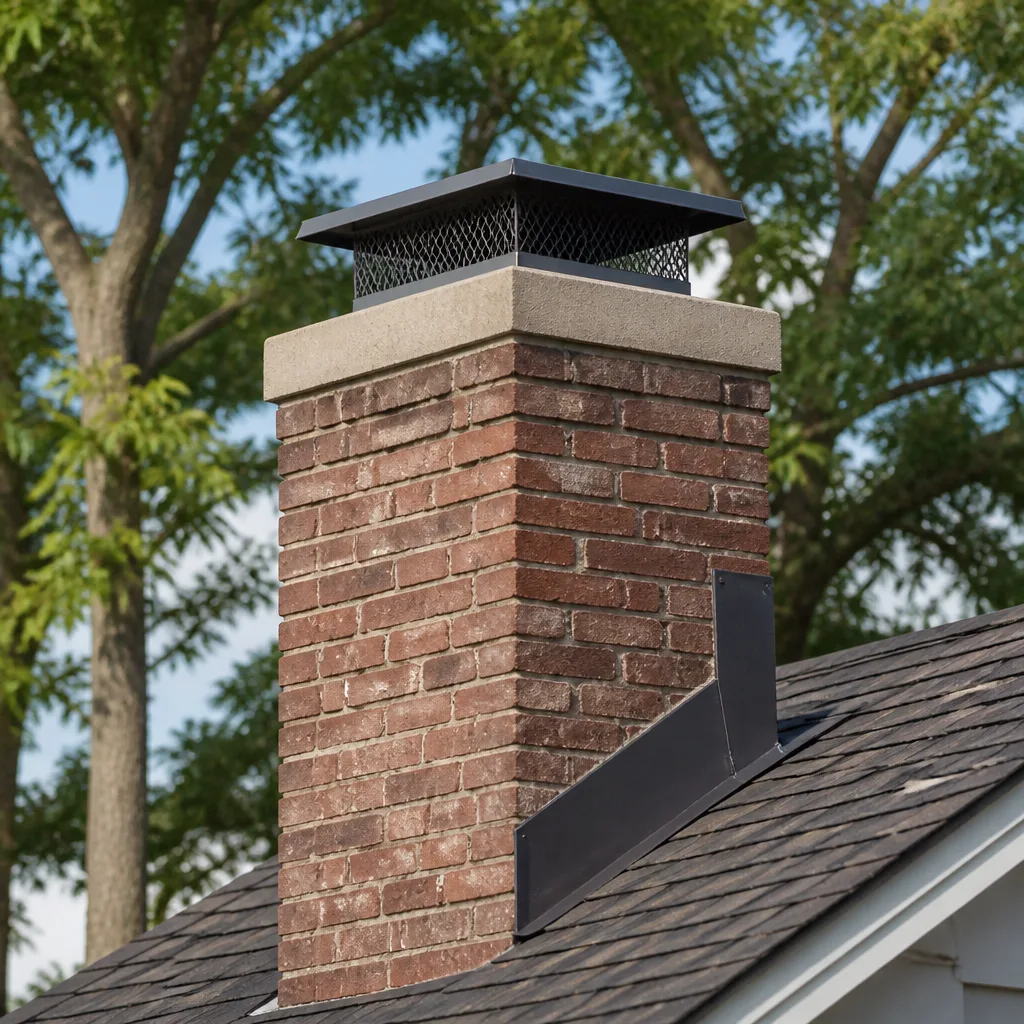
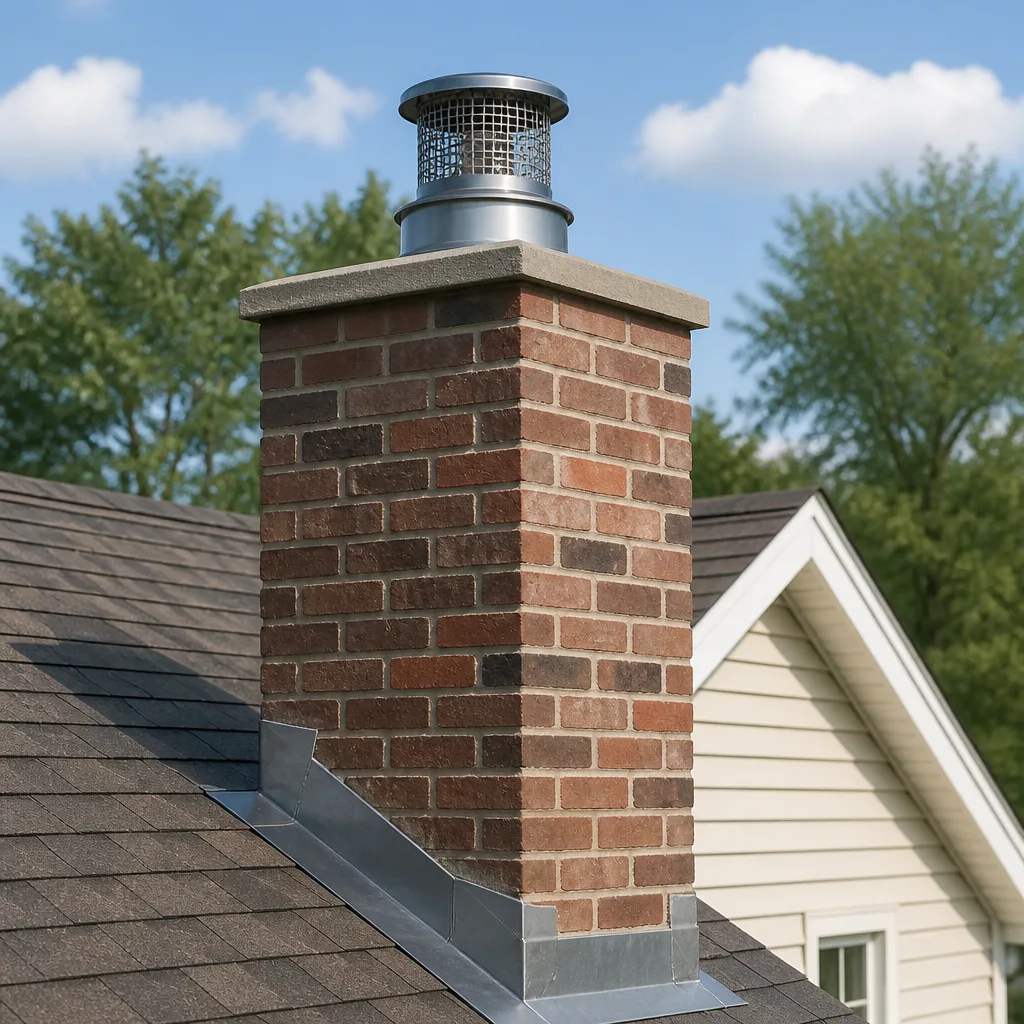
A chimney cap protects the flue from rain, animals, and debris. When the cap’s mesh or screen clogs with soot, leaves, or a bird’s nest, airflow at the top of the chimney is restricted and draft drops. A blocked cap is one of the simplest things to fix and one of the easiest to miss, because from the ground everything looks fine. Caps and venting hardware from brands like Gelco and Olympia Chimney are designed to keep the flue open while keeping the weather and wildlife out, and replacing a failed cap is often the whole repair.
Competing exhaust
Every exhaust appliance in the house – furnace, water heater, kitchen hood, dryer, bath fan – is pulling air out of the building. When more air is leaving than can get back in, the house equalizes by pulling air down the chimney. That’s the negative pressure problem again, and a smoky fire during a shower or while the dryer is running is the classic tell. If the smoke only appears when another appliance is on, the chimney isn’t the problem; the house’s air balance is.
If you’ve noticed a smoky fire after a cleaning, that’s often a pressure clue rather than a sign of poor work. Our chimney sweep visits include a look at draft behavior, not just the flue condition, so the diagnosis and the cleaning happen together.
White Staining on Brick: What Efflorescence Really Tells You
White, chalky staining on brick is called efflorescence, and it’s a symptom, not a cosmetic issue. Efflorescence means water has already moved through the masonry, dissolved salts from inside the brick, and deposited them on the surface as the water evaporated. In plain terms: the water was already inside. The white stain is just the evidence it left behind.
This matters because a lot of homeowners see the white powder, scrub it off, and assume the problem is solved. It isn’t. The stain will come back as long as the water source is still active, and the salts left behind in the brick can eventually cause more damage than the original moisture.
- New efflorescence: water is actively moving through the masonry right now.
- Recurring efflorescence: the water source hasn’t been fixed – it’s usually the crown, flashing, or the cap.
- Efflorescence that returns after rain: the brick is absorbing water from outside, not just from the fire side.
- Efflorescence paired with crumbling mortar: the freeze-thaw cycle has started doing structural damage, not just cosmetic.
On a Nashville chimney, the water pathways are specific. A cracked crown, failed flashing at the roof line, a missing or undersized cap, or open mortar joints all let water in. Our freeze-thaw cycle then expands that water inside the brick, and the damage compounds through the winter. The right approach is to find the water source first, correct it, and then repair the masonry. If you seal the surface of a damp chimney without finding the source, you trap the water inside and make the freeze-thaw damage worse.
If you’re seeing white staining, get the crown, flashing, and cap inspected before you treat the brick. The stain is the message; the source is the actual problem.
Spalling Brick and Mortar Joint Failure
Spalling is what happens when brick faces flake, peel, or pop off the chimney. It’s the next stage after chronic water intrusion and freeze-thaw cycling, and it’s the point where a cosmetic problem becomes a structural one. Mortar joint failure is the companion symptom: the joints between bricks crumble, erode, and eventually leave the bricks poorly bonded to each other.
Nashville’s clay-heavy soil and repeated freeze-thaw cycles are both working against the masonry here in a way that’s less severe in drier, more stable climates. The result is that a chimney that would hold up for a long time in Phoenix might start spalling here within a few hard winters of water getting in.
What a proper repair looks like depends on how far the damage has gone:
- Assessment: a camera inspection and a hands-on look at the masonry determine whether the flue lining is still intact and how deep the water damage goes.
- Water source correction: crown repair or replacement, flashing repair, and cap replacement address what’s letting water in.
- Mortar joint repair: repointing restores the bond between bricks where the joints have failed.
- Brick replacement: spalled bricks that have lost too much face get replaced rather than patched.
- Flue lining check: if the flue lining is cracked or has gaps, an internal repair may be needed – covered next.
For a flue that’s still structurally sound but has lost its smooth interior surface, HeatShield ceramic resurfacing is a repair-grade option that restores the flue’s integrity without a full liner replacement. For a flue that’s too deteriorated for resurfacing, or incorrectly sized from the start, a DuraFlex flexible liner system provides a full replacement. Both are common enough repairs that we stock the materials and complete the work in-house, which means the diagnosis and the structural repair happen on the same visit rather than bouncing to a second contractor.
What a Popping Sound During a Fire Actually Indicates
A popping or crackling sound during a fire is normal when it’s wet wood hissing and sap burning off. It stops being normal when the sound comes from the chimney itself – a sharper pop, sometimes followed by a brief puff of smoke from the firebox – and it often signals one of a few structural issues.
The most common cause is a cracked or separated flue tile. When the flue lining cracks, expanding gases and heat can push into the gap, and the sudden pressure change produces that popping sound. On an unlined or poorly bonded flue, the same thing happens at the mortar joints between tiles. Popping can also come from a loose damper or a firebox component that’s warped and shifting as it heats.
What popping does not usually indicate: it does not mean the chimney is about to collapse, and it isn’t proof of a chimney fire by itself. A real chimney fire sounds different – a low roar, a sound like a freight train, or a series of loud cracks – and it’s a much more urgent situation. The popping that happens repeatedly during ordinary fires is the one worth investigating with a camera.
If you’re hearing a pop during fires, the right next step is a flue inspection with a camera. A cracked tile that’s caught early can sometimes be repaired with HeatShield resurfacing. A flue that’s cracked through multiple tiles or has shifted needs a full reline with a DuraFlex system. Either way, the camera tells you which one you have, and a technician who recommends relining without showing you the crack is asking you to take it on faith. You shouldn’t have to.
Creosote Buildup and Sweeping Frequency
Creosote is the residue left behind by wood smoke, and it’s the leading fuel for chimney fires. It builds up in three stages: a light, flaky ash at first; a sticky, tar-like layer next; and a hardened, glazed stage that’s very difficult to remove. The deeper the stage, the hotter it burns when it ignites, and the more dangerous the chimney fire.
How fast creosote builds depends on how you burn, not just how often. A slow, smoldering fire – the kind that keeps a fire overnight – produces more creosote than a hot, active fire. Unseasoned wood produces more than dry wood. An undersized flue produces more than one sized correctly for the appliance. Homes that burn often, or burn wood that’s still green, build creosote faster than the general “annual inspection” advice suggests.
For most homes with an active fireplace or wood stove, a sweep before the burning season starts is the standard recommendation, with an inspection in between if you notice any of the symptoms in this guide. For heavy users, or homes running a wood stove as a primary heat source, a mid-season check is worth scheduling. A sweep removes the creosote; the inspection tells you whether the flue lining is still intact behind it. Both matter, and neither should be skipped.
Dryer Vent Problems That Masquerade as Chimney Issues
Dryer vents and chimneys fail in similar ways, and a homeowner dealing with one sometimes mistakes it for the other. Both rely on a clear path for air and heat to escape, both accumulate material that restricts that path, and both become a house fire hazard when the path is blocked. For a gas dryer, a blocked vent is also a carbon monoxide risk, because the combustion gases can’t exhaust.
A dryer vent that’s underperforming usually shows up as clothes that take longer and longer to dry, a dryer that feels hot to the touch, or a laundry room that’s noticeably more humid than the rest of the house. Lint buildup is the leading cause, but it isn’t the only one. A vent that was run with too many elbows, a crushed flexible section behind the dryer, or a termination that’s blocked by a bird’s nest all cut airflow the same way a blocked chimney cap does.
For a Nashville home, the same wet winters and clay-heavy soil that stress masonry also affect exterior vent runs, and a vent that terminates low to the ground or near a deck can pull in debris. Our dryer vent cleaning service treats the vent as a fire-safety system, not a housekeeping task, and includes a look at how the vent is routed and whether anything is restricting it. Brands like Famco make venting components designed for clean, efficient exhaust paths, and that equipment knowledge carries over directly to dryer vent work.
If your dryer is taking twice as long as it used to, and the laundry room feels damp, don’t assume the dryer is failing. Get the vent checked before you replace the appliance.
Common Mistakes to Avoid
- Assuming a smoky fire after a cleaning means the sweep did poor work. A smoky firebox right after a sweep is more often a pressure or ventilation symptom that was there before the cleaning. Have the draft checked before you conclude the sweep failed.
- Scrubbing off efflorescence and calling it fixed. White staining means water is already inside the masonry. If you clean the surface without finding the water source, the stain comes back and the freeze-thaw damage keeps going.
- Sealing a damp chimney exterior. A surface sealant on a chimney that’s still taking on water traps moisture inside, and in a Nashville winter that trapped water expands and makes the spalling worse.
- Assuming a popping sound means a chimney fire. Repeated popping during ordinary fires usually points to a cracked flue tile or a loose component, not an active chimney fire. It still needs a camera inspection; it doesn’t mean the chimney is about to collapse.
- Chasing draft problems with damper adjustments. A damper can’t fix negative pressure. If the house is pulling air down the flue, adjusting the damper just moves the smoke around.
- Skipping the camera inspection before accepting a relining quote. A liner recommendation without visible evidence is a guess. Ask to see the camera footage of the flue before you agree to structural work.
- Treating the dryer vent as a separate, lower-priority task. A blocked dryer vent is a fire and carbon monoxide risk, and it’s the second leading cause of residential house fires. It deserves the same attention as the chimney.
See the difference
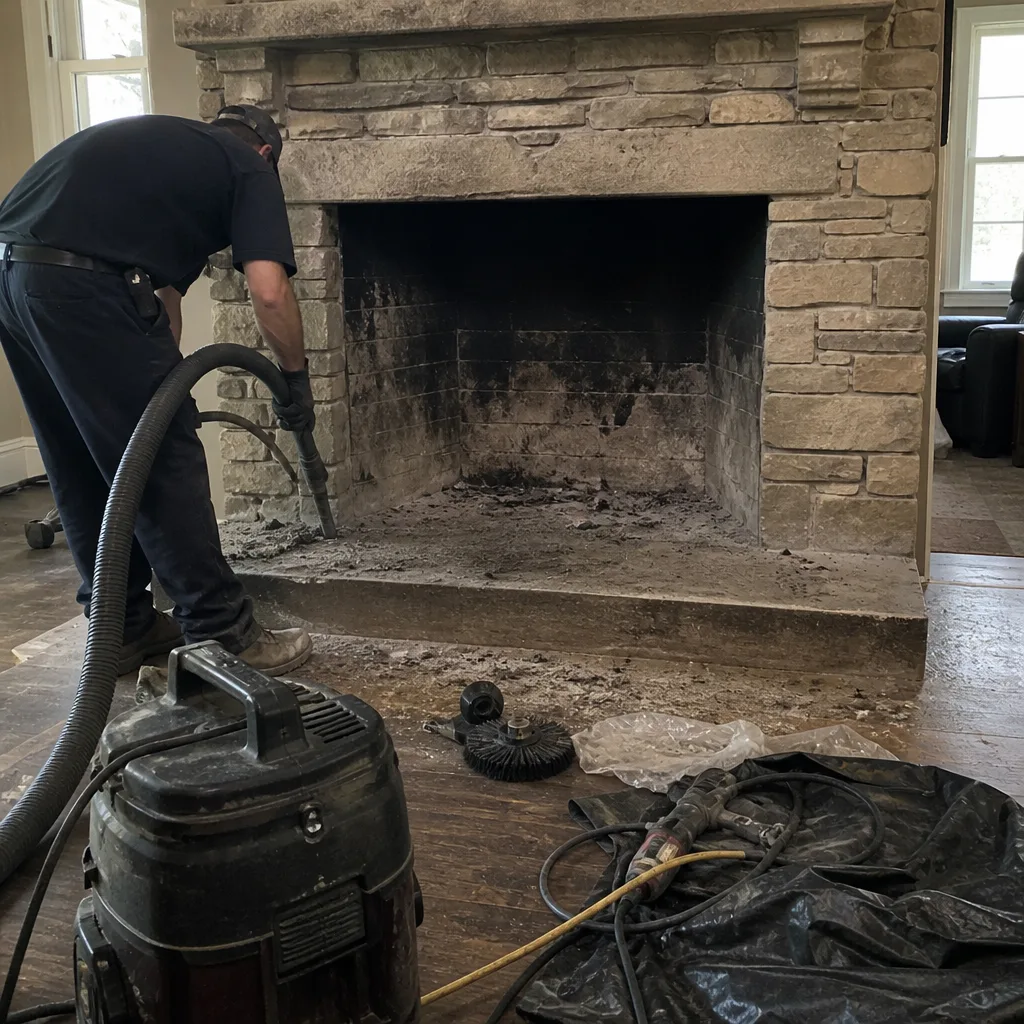 Before
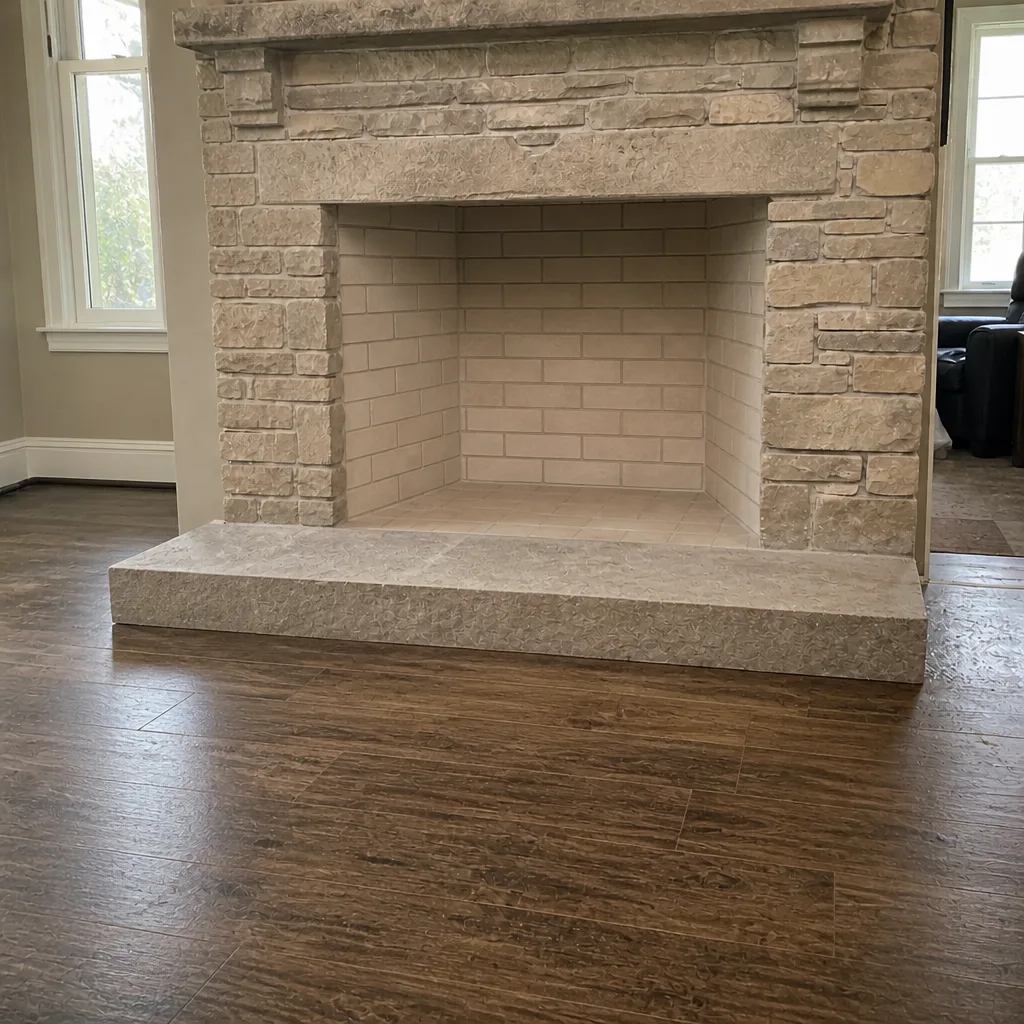 After
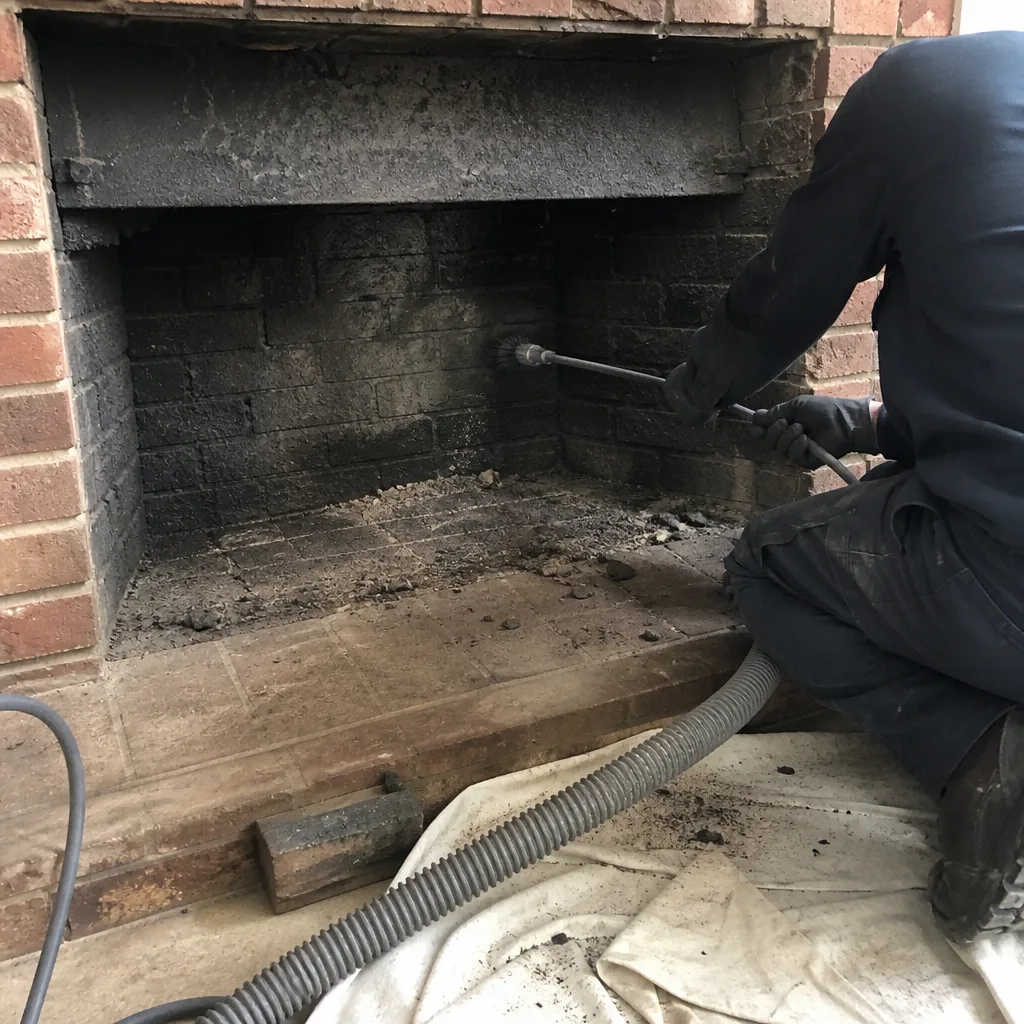 Before
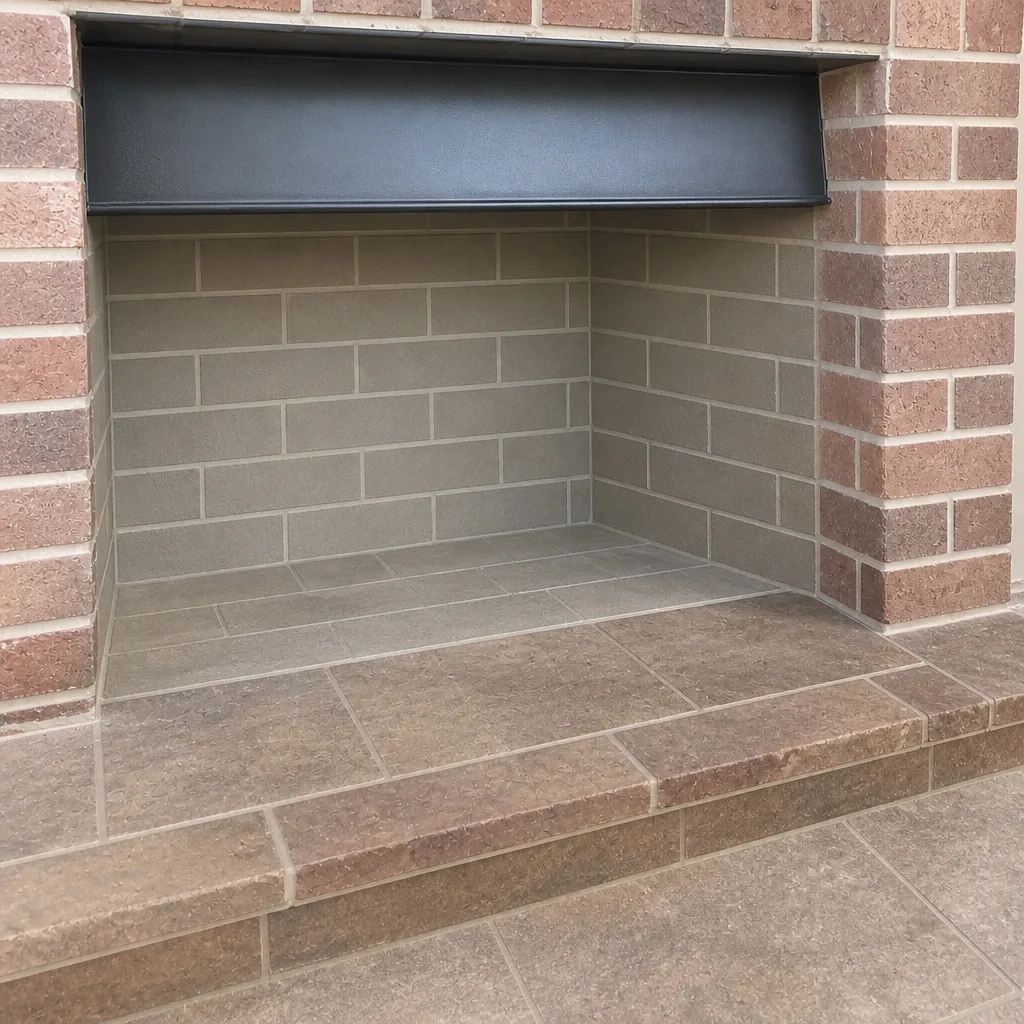 After
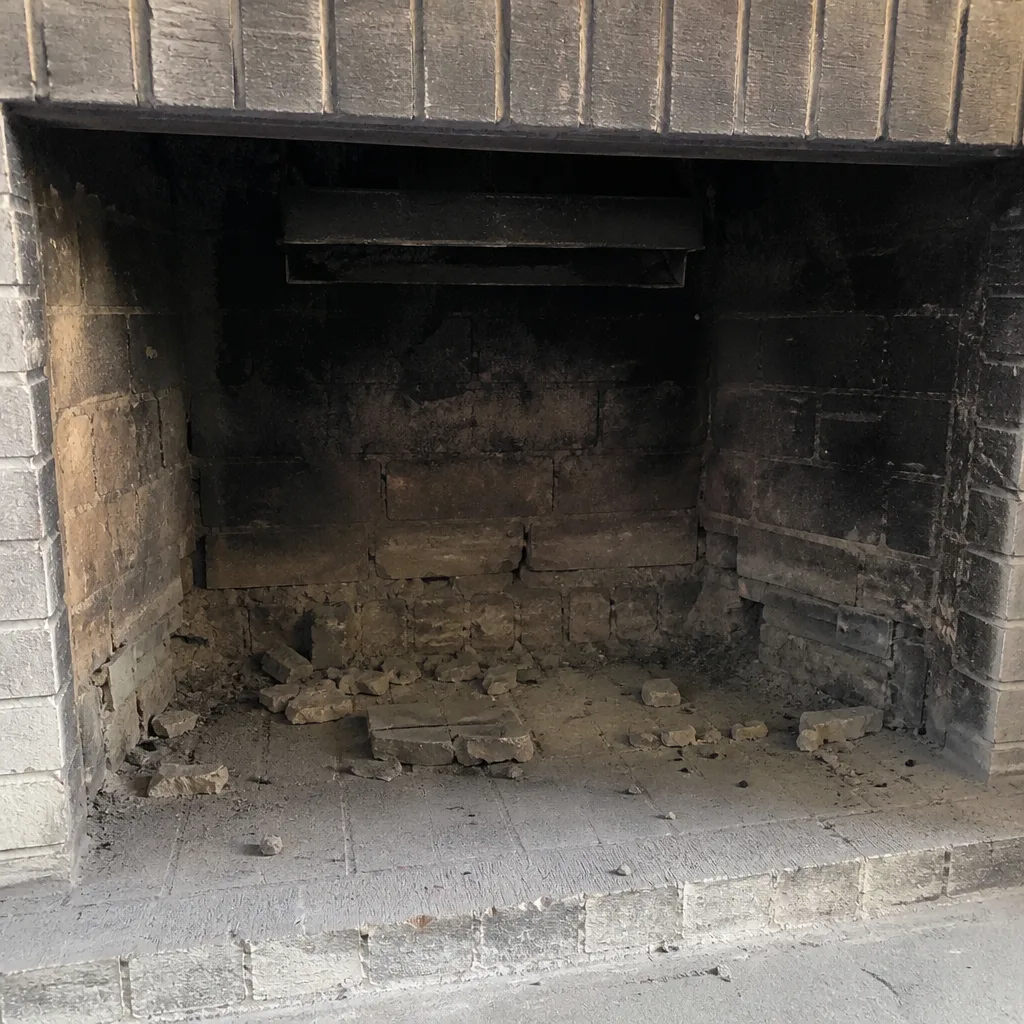 Before
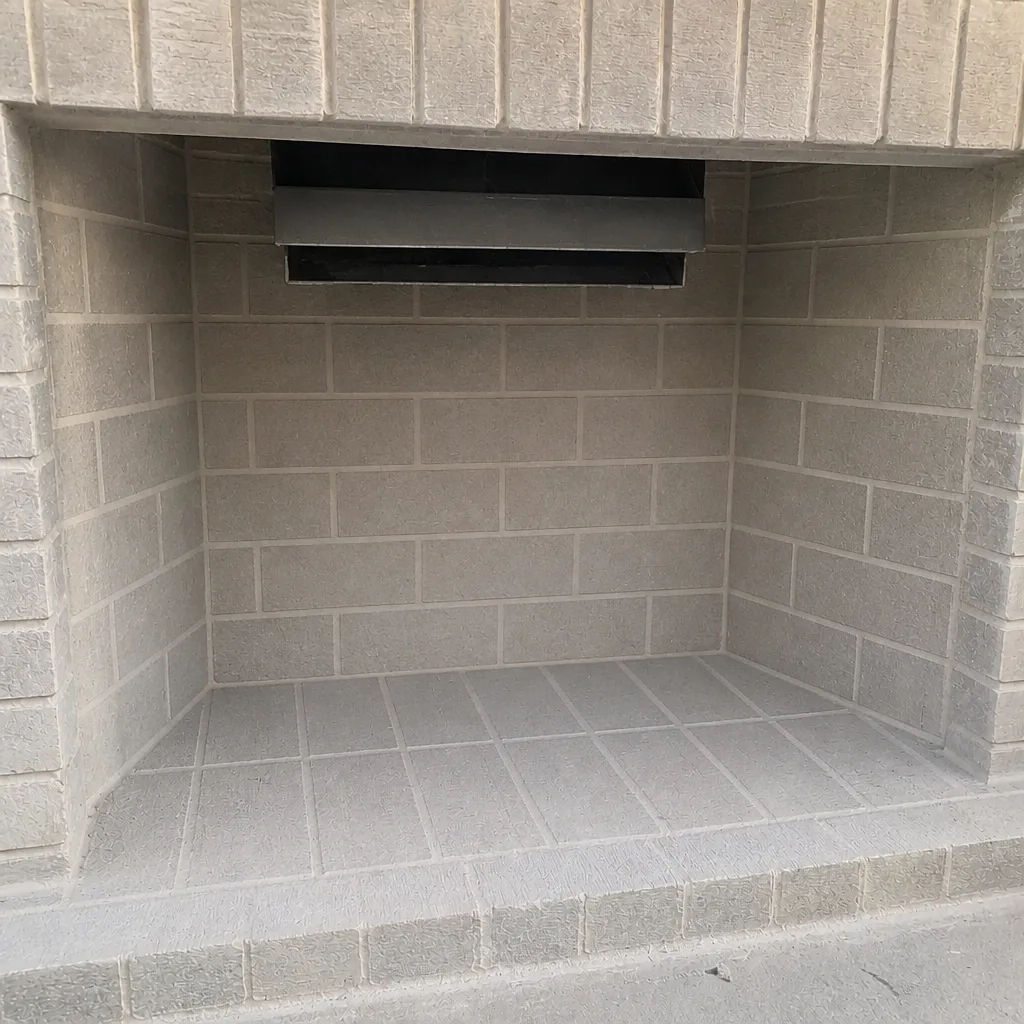 After
When to Call a Professional
Most of the problems in this guide can be confirmed with a camera inspection before you spend money on a repair. That’s the standard we work to: nothing is recommended without visible evidence, and we’ll tell you plainly when a repair can safely wait. If you’re seeing smoke rollback that only happens when another appliance is running, white staining that keeps returning after rain, popping during ordinary fires, or a dryer that’s taking longer and longer, those are signs worth a professional look. Creosote above the glazed stage, a cracked flue lining, or mortar joints that crumble when touched are signs to stop burning until the chimney is inspected. Our technicians have up to 9 years of experience, and we handle chimney sweeping, dryer vent cleaning, and structural chimney repair in-house with materials from DuraFlex, HeatShield, Gelco, Olympia Chimney, Famco, and Copperfield. Nashville Chimney Cleaning offers free estimates in Nashville – call (844) 405-8628. We answer 24/7. Fast dispatch from 7am to 7pm, Sunday through Friday.
Frequently Asked Questions
A smoky fire after a sweep usually means the flue is drawing correctly but the house pressure is pushing air back down, which is common in tightly sealed Nashville homes with a large kitchen hood or competing exhaust appliance. It isn’t a sign the sweep did poor work. Have the draft measured with a pressure check before assuming the cleaning failed. Call (844) 405-8628 for an exact quote – estimates are free.
White staining, or efflorescence, means water is already moving through the masonry and depositing salts on the surface as it dries. It’s not cosmetic, and it will come back until the water source is found. The usual sources are a cracked crown, failed flashing, or a missing or damaged cap. Get those inspected before treating the brick. Call (844) 405-8628 for an exact quote – estimates are free.
Repeated popping during ordinary fires usually points to a cracked or separated flue tile, or a loose damper or firebox component that shifts as it heats. It’s not the same as a chimney fire, which produces a low roar or a freight-train sound, and it doesn’t mean the chimney is about to collapse. It does mean the flue should be inspected with a camera before the next fire. Call (844) 405-8628 for an exact quote – estimates are free.
For most homes with an active fireplace, a sweep before the burning season starts is the standard recommendation, with an inspection in between if you notice symptoms like smoky fires or popping. Homes burning wood often, or burning unseasoned wood, build creosote faster and may need a mid-season check. Our technicians have up to 9 years of experience and can tell you what your specific chimney needs. Call (844) 405-8628 for an exact quote – estimates are free.
Not every deteriorated flue needs a full liner. A flue that’s still structurally sound but has lost its smooth interior can often be restored with HeatShield ceramic resurfacing, which is a repair-grade option that avoids a full reline. A flue that’s cracked through, incorrectly sized, or too far gone needs a DuraFlex flexible liner system. The camera inspection tells you which one you have, and you should see the evidence before you decide. Call (844) 405-8628 for an exact quote – estimates are free.
A chimney that’s skipped can build creosote to the glazed stage, which burns very hot if it ignites, and a cracked flue lining can let carbon monoxide and hot gases into the home. Neither shows up from the outside. The inspection is how you find out before it becomes a fire or carbon monoxide problem. Call (844) 405-8628 for an exact quote – estimates are free.
The Bottom Line
Chimney problems in Nashville follow a pattern, and the symptoms map to specific causes. Water intrusion plus freeze-thaw cycling drives efflorescence and spalling. Negative pressure and blocked flues look alike but need completely different fixes. Smoke rollback comes from firebox geometry, a clogged cap, or competing exhaust, and popping usually means a cracked flue tile rather than a chimney fire. None of these can be diagnosed by guesswork. The camera inspection is what turns a symptom into a specific repair, and it’s the reason nothing should be recommended without evidence you can see. Start with a sweep and an inspection, correct the water source before the masonry repair, and treat dryer vent cleaning as the fire-safety service it is.
Written by the team at Nashville Chimney Cleaning.
Call (844) 405-8628 for a free estimate. We answer 24/7. Fast dispatch from 7am to 7pm, Sunday through Friday.